
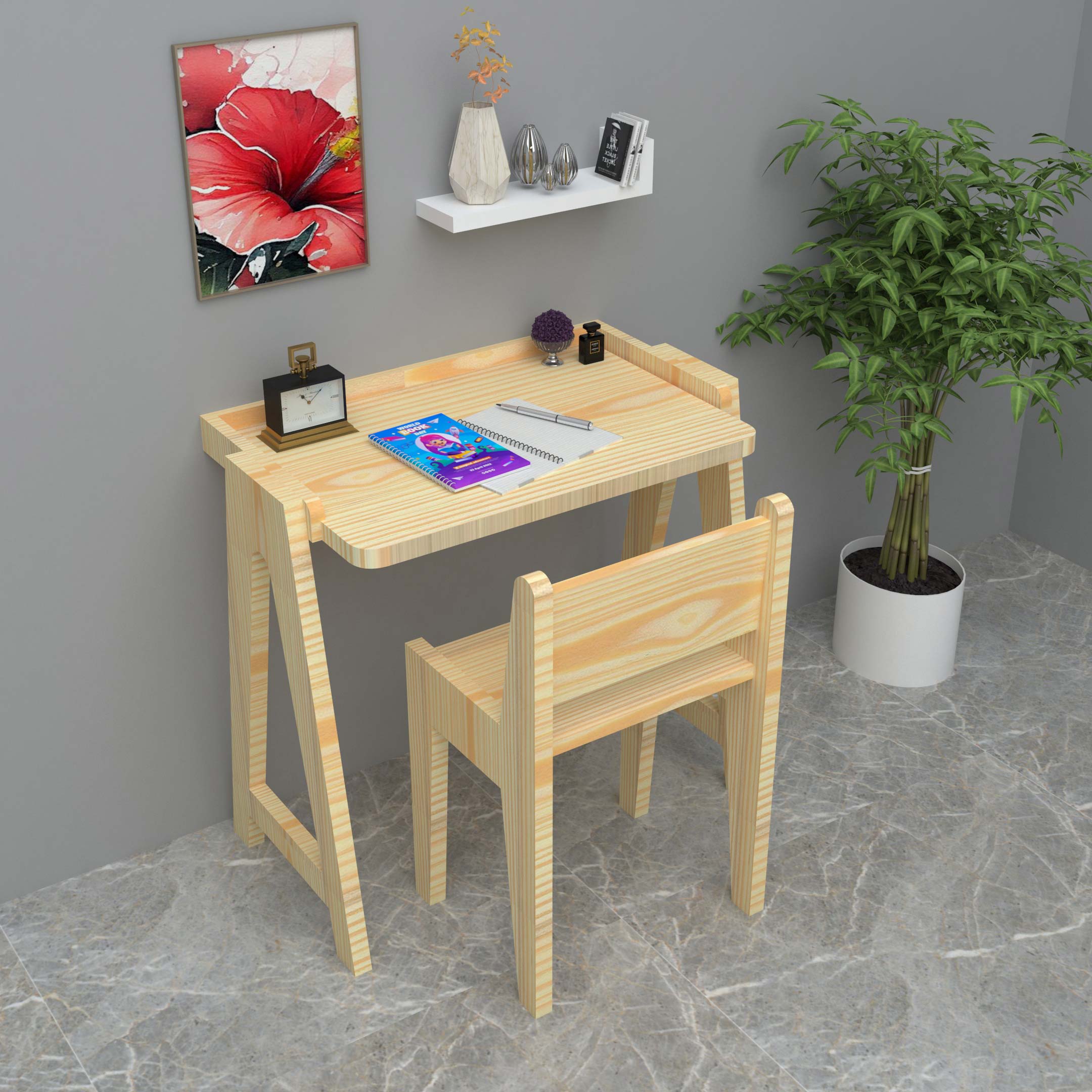
In today’s fast-paced and highly competitive educational environment, the importance of a conducive learning space cannot be overstated. While many factors contribute to a child’s academic success—such as motivation, curriculum, and teaching quality—an often-overlooked aspect is the physical environment in which they study. One key component of this environment is the study table. A well-designed study table can significantly impact a child’s focus, comfort, and overall academic performance. In this blog, we will explore the role of a well-designed study table in shaping a child’s academic success and how the right setup can enhance productivity and learning outcomes.
1. Creating a Dedicated Study Space
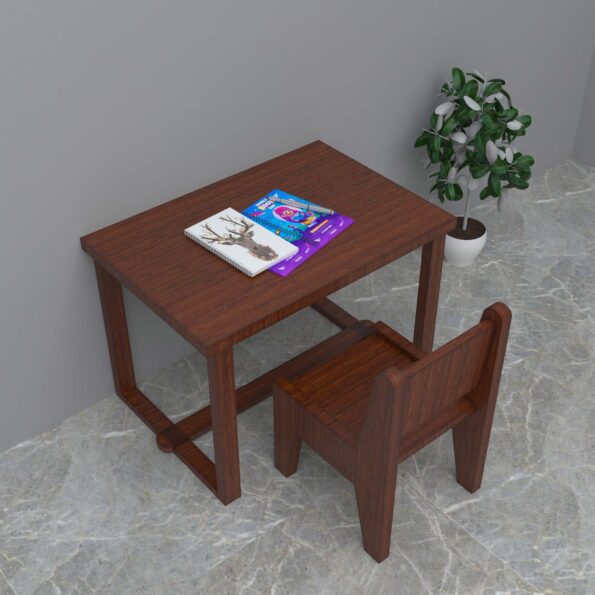
One of the most critical benefits of having a well-designed study table is the establishment of a dedicated study space. A child’s brain often associates specific places with certain activities. A study table that is used solely for learning and school-related tasks can help establish a routine and promote concentration.
Children who study on the floor, on the bed, or in other multi-purpose areas may find it more challenging to focus. Beds, for instance, are associated with relaxation and sleep, which can make children feel sleepy or distracted when trying to study in that space. In contrast, a study table designated exclusively for schoolwork sends a signal to the brain that it’s time to focus, facilitating better concentration and productivity.
2. Encouraging Better Posture
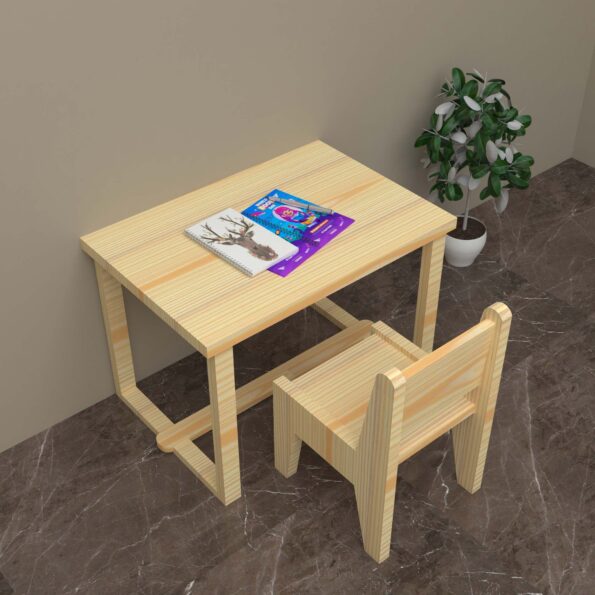
Posture plays an essential role in physical health and academic performance. A well-designed study table, coupled with an ergonomic chair, ensures that children sit in a way that promotes healthy posture. Poor posture, such as slouching or hunching over, can lead to discomfort, pain, and long-term musculoskeletal problems.
Moreover, sitting in a poor posture can lead to fatigue and distraction, making it harder for children to focus on their work. A study table that is at the correct height and allows for comfortable positioning helps children maintain proper posture, reducing physical strain and enabling them to work for more extended periods without discomfort.
3. Promoting Organization and Reducing Clutter
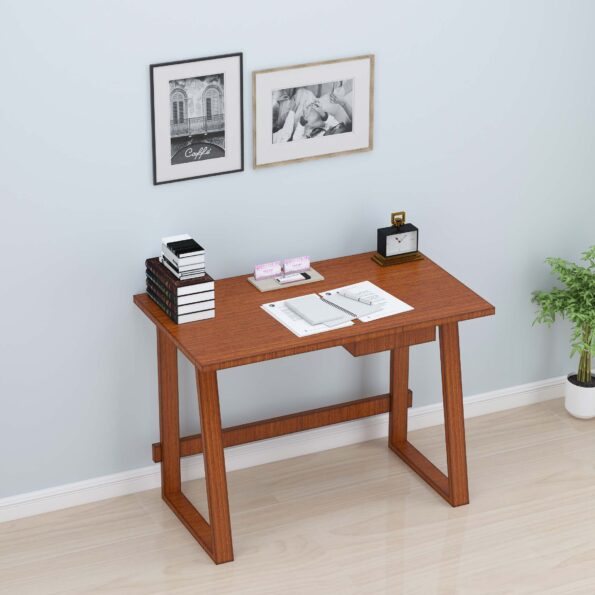
An organized workspace is conducive to better learning and productivity. A well-designed study table with drawers, shelves, or compartments allows children to keep their materials—books, notebooks, pens, and other school supplies—organized and easily accessible. This reduces the time wasted looking for things and minimizes distractions caused by clutter.
A cluttered workspace can create cognitive overload, making it difficult for a child to concentrate on their tasks. By contrast, a clean and organized study area promotes mental clarity and helps children feel more in control of their environment, which can positively influence their focus and academic performance.
4. Providing Adequate Lighting
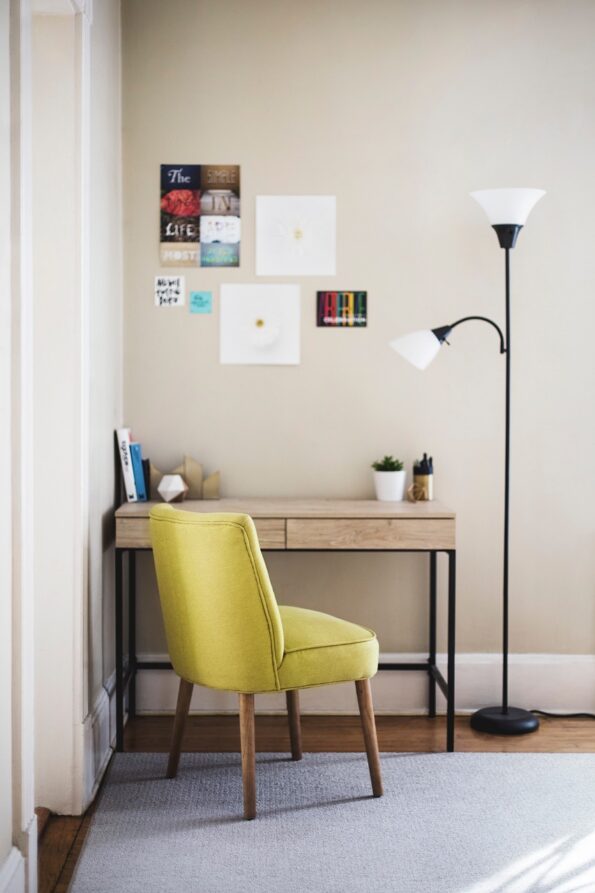
Lighting is a critical aspect of any study space. Poor lighting can strain a child’s eyes, leading to headaches and fatigue, which negatively impact their ability to concentrate. A well-designed study table should be placed in a location that provides ample natural light during the day. For evening study sessions, a desk lamp with adjustable brightness is ideal to ensure the workspace is well-lit.
Good lighting not only helps prevent eye strain but also boosts mood and energy levels. Children who study in well-lit environments tend to be more alert and focused, leading to better retention of information and more effective learning.
5. Fostering Independence and Responsibility
A personalized study table gives a child a sense of ownership over their study environment, which can foster a sense of responsibility and independence. When children have a designated space to work in, they are more likely to take charge of organizing and maintaining their study area. This teaches them essential skills such as time management, organization, and self-discipline—skills that are crucial for academic success and life beyond school.
Having a dedicated study space also helps children develop a routine, making it easier for them to stick to a homework schedule. As they take responsibility for their workspace, they become more invested in their studies and develop a positive attitude towards learning.
6. Enhancing Focus and Minimizing Distractions
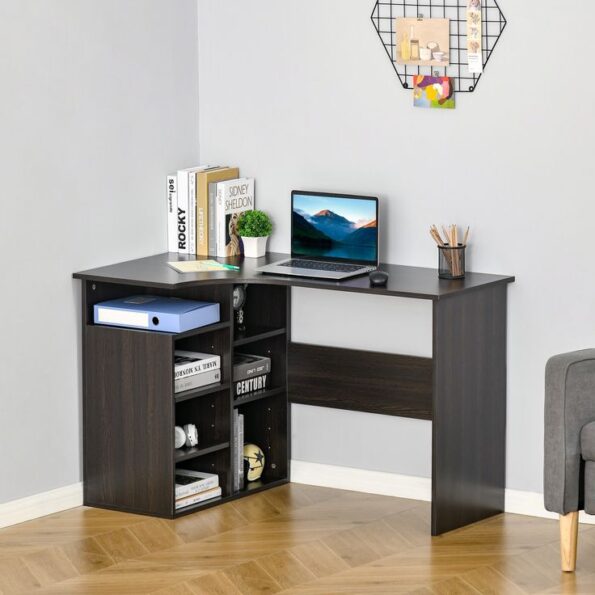
In today’s world of constant digital distractions, creating an environment that minimizes distractions is crucial for a child’s academic success. A well-designed study table helps to limit distractions by offering a clutter-free, organized space that promotes focus.
Parents can enhance the study table’s functionality by keeping it away from distracting elements such as televisions, video games, or high-traffic areas in the home. Moreover, many modern study tables come with features like cable management systems that help reduce the clutter of wires and devices, keeping the study area free from unnecessary distractions.
7. Improving Study Habits
A well-designed study table encourages the development of healthy study habits. When children have a dedicated space to work, they are more likely to approach their studies with discipline and consistency. Good study habits, such as sitting down at a regular time each day, organizing materials before starting, and staying focused until tasks are completed, are all facilitated by a well-thought-out study environment.
Children who consistently use their study table for learning activities begin to associate that space with productivity, creating a positive feedback loop. This habit formation is essential for long-term academic success, as it helps children develop a structured approach to their studies and time management.
8. Customizing the Study Table to Fit the Child’s Needs

Every child has different needs when it comes to learning. A well-designed study table can be customized to fit those needs, allowing for a more personalized and effective study environment. For example, some children may benefit from extra storage for books and school supplies, while others might need a larger workspace for art projects or science experiments.
Customization options also extend to the layout and design of the study table. A table with adjustable height can grow with the child, ensuring that the workspace remains ergonomic as they age. Additionally, incorporating elements such as pinboards, whiteboards, or corkboards can help children organize their thoughts, plan their assignments, and visually map out their tasks.
9. Boosting Creativity and Motivation
A well-designed study table can also play a role in boosting creativity and motivation. When children have a comfortable and aesthetically pleasing workspace, they are more likely to enjoy spending time there. The design and decor of the study area can be tailored to reflect the child’s personality and interests, creating a space that inspires creativity and a love for learning.
Children who are motivated by their surroundings are more likely to engage in creative problem-solving and think critically about their work. This heightened engagement can lead to better academic outcomes and a more positive attitude toward learning.
10. Supporting Parent-Child Collaboration
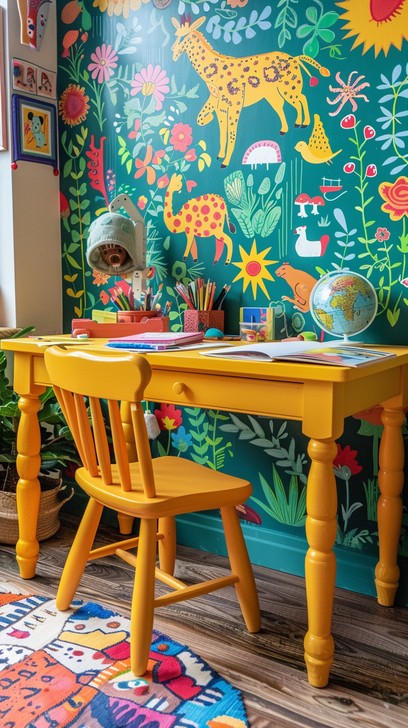
A well-designed study table can also facilitate collaboration between parents and children. Parents can use the space to sit down with their child, review homework, and provide guidance or support as needed. The table provides a structured and organized environment where parents can help their child develop good study habits and time management skills.
When parents are involved in their child’s academic journey, children are more likely to feel supported and motivated to succeed. The well-designed study table serves as a central hub for this interaction, making it easier for parents to monitor progress, assist with tasks, and encourage a healthy approach to learning.
11. Adaptability for Different Learning Styles
Children have different learning styles—some are visual learners, others are auditory, while some prefer hands-on activities. A well-designed study table can accommodate these different styles by offering flexibility in its design. For instance, a spacious surface allows visual learners to spread out their materials and use diagrams, while auditory learners can use headphones and devices for learning.
The study table can also be adapted with various tools like whiteboards, interactive apps, and tactile objects to suit the child’s learning preferences. By creating a space that accommodates the child’s individual learning style, parents can enhance their child’s engagement and retention of information.
12. Building Confidence in Learning

Finally, a well-designed study table can contribute to a child’s self-confidence in their learning abilities. When children are provided with a space that is orderly, tailored to their preferences, and suited to their needs, they experience a greater sense of empowerment and control over their academic activities. This feeling of ownership and autonomy can enhance their confidence, enabling them to approach learning with an optimistic attitude.
Children who possess confidence in their learning abilities are more inclined to tackle difficult challenges, persevere through obstacles, and ultimately attain higher levels of academic achievement.
01. Why is a well-designed study table important for my child’s academic success?
02. What features should I look for in a well-designed study table?
Ergonomic Design: Ensures proper posture with a comfortable seating position.
Adequate Storage: Drawers and shelves for organizing study materials.
Spacious Surface: Enough space for books, laptops, and writing materials.
Adjustable Height: For growing children or different chair types.
Durability: Made from sturdy materials that can withstand daily use.
Proper Lighting Options: Either integrated lighting or space for a desk lamp.
Cable Management: To keep cords and wires tidy and out of the way.