
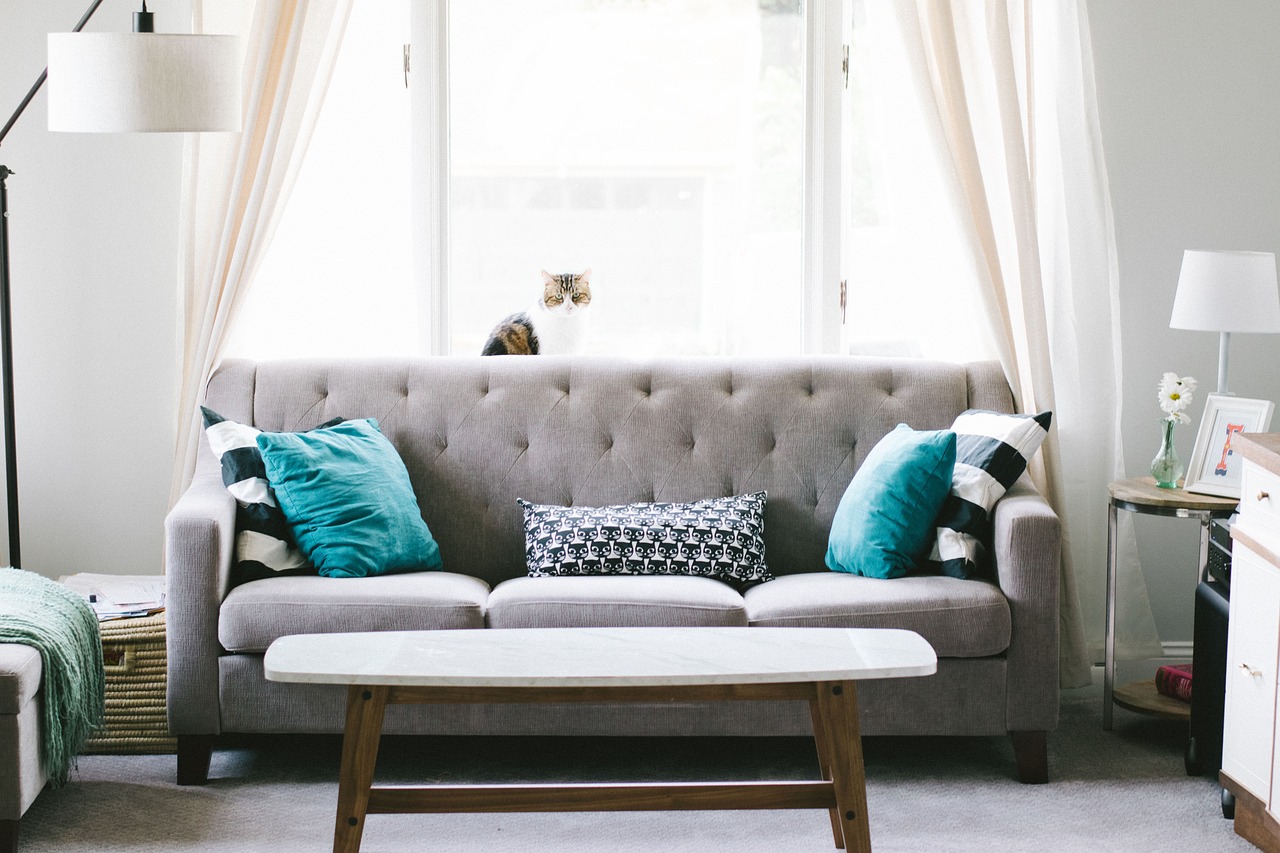
The family room serves as the heart of the home—a gathering place for relaxation, watching movies, playing games, or simply enjoying each other’s presence. Among the various furnishings that give this space character, the coffee table emerges as a key functional and visual element. Whether you’re savouring morning coffee, putting up your feet, or hosting a game night, the coffee tables is integral to your family’s everyday life. However, with countless options available, how do you select the perfect one?
In this guide, we’ll delve into everything you need to know about choosing the right coffee tables for your family room. We’ll discuss important considerations such as size, shape, material, style, and functionality, while providing tips on how to incorporate your coffee table flawlessly into your current décor.
1. Understanding the Role of a Coffee Table in a Family Room
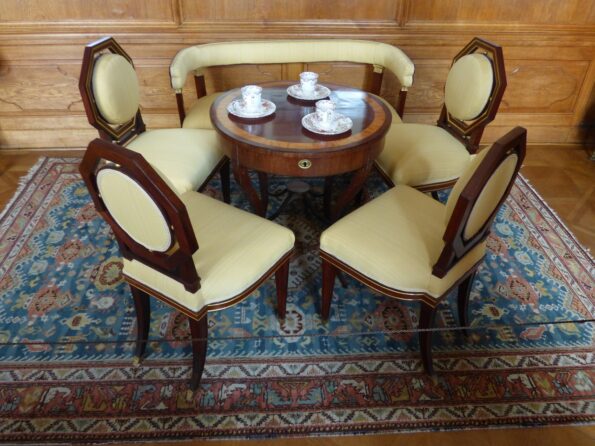
Before diving into the specifics, it’s important to understand the role a coffee table plays in a family room. Unlike other rooms in your home, the family room is often a multi-functional space. It’s a place for casual gatherings, watching movies, and sometimes even dining. A coffee table serves as a central hub for all these activities. It provides a surface for drinks and snacks, a place to set down remote controls, books, and magazines, and even a spot for displaying decorative items.
2. Determining the Right Size for Your Coffee Table
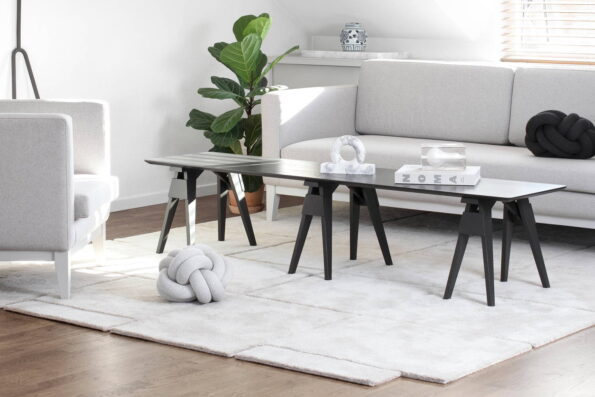
Size is one of the most critical factors when choosing a Coffee Tables. The table needs to be proportionate to the size of your family room and the furniture around it. Here’s how to get it right:
a) Measure Your Space
Start by measuring the area where you intend to place the coffee table. A good rule of thumb is that your coffee table should be about two-thirds the length of your sofa. This ensures that it is large enough to be functional but not so large that it overwhelms the space.
b) Consider Height
The height of your coffee table is just as important as its length. Ideally, the table should be the same height as the cushions on your sofa, or slightly lower. This allows for easy access to items on the table while you’re seated, without having to reach up or down uncomfortably.
c) Allow for Circulation
Ensure that there is enough space around the coffee table for easy movement. Leave about 18 inches of space between the coffee table and the sofa, and at least 24-30 inches between the table and other pieces of furniture. This will prevent the room from feeling cramped and will allow for smooth circulation.
3. Choosing the Right Shape for Your Coffee Table
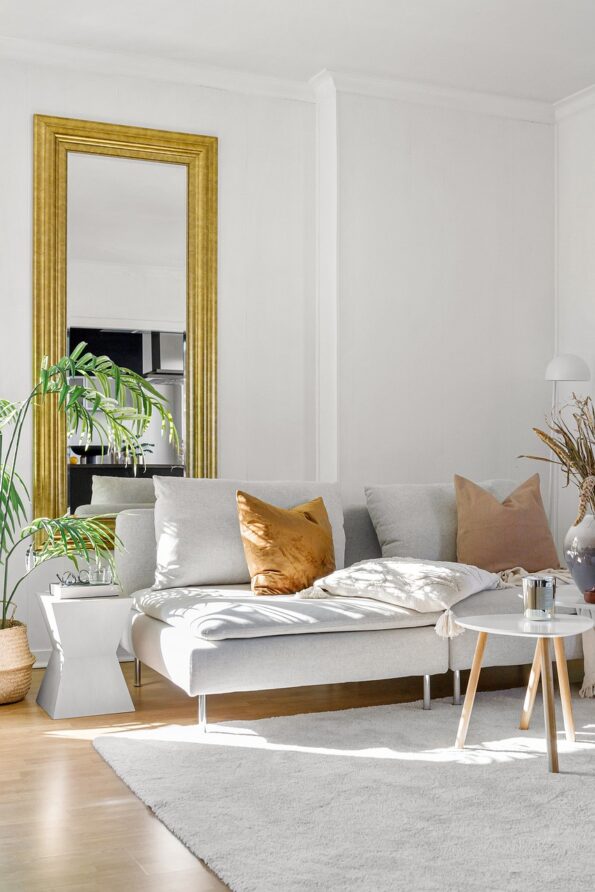
The shape of your coffee table should complement the layout of your family room and the other furniture in it. Here are some common shapes and when to use them:
a) Rectangular Coffee Tables
Rectangular coffee tables are the most common and versatile option. They work well in most family rooms, especially those with standard sofas and sectional couches. If your room is long and narrow, a rectangular coffee table will help elongate the space.
b) Square Coffee Tables
Square coffee tables are ideal for larger rooms or open-plan spaces. They provide ample surface area and can be particularly effective in square-shaped rooms or with large sectional sofas. However, be mindful that square tables can feel bulky in smaller spaces.
c) Round Coffee Tables
Round coffee tables are great for creating a more relaxed and casual atmosphere. They work well in smaller spaces, as their lack of sharp corners makes them easier to navigate around. Round tables are also a safer option for homes with young children, reducing the risk of bumps and bruises.
d) Oval Coffee Tables
Oval coffee tables offer a middle ground between rectangular and round options. They have the length of a rectangular table but with the soft, curved edges of a round table. This makes them a good choice for family rooms where space is limited, but you still want a sizable surface area.
4. Selecting the Right Material for Your Coffee Table
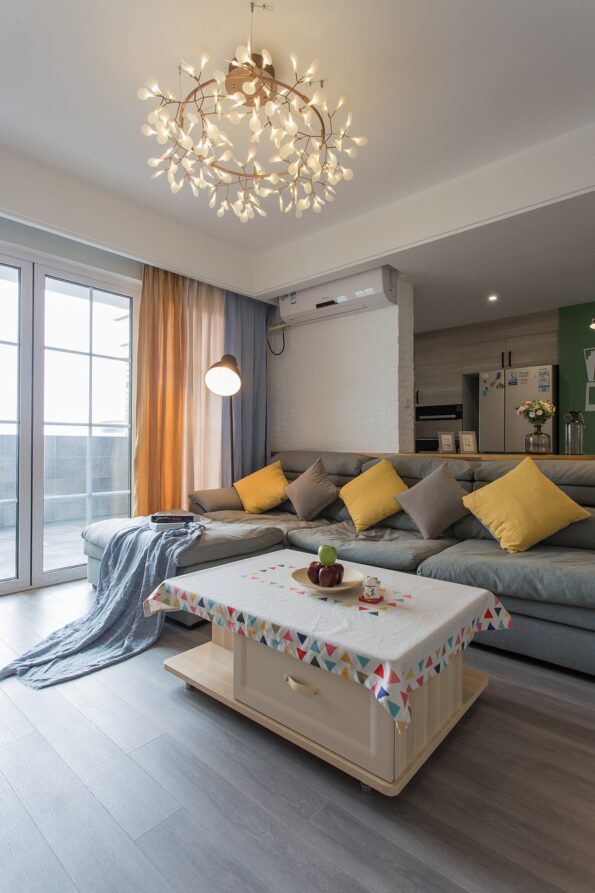
The material of your coffee table not only affects its appearance but also its durability and maintenance requirements. Here are some popular materials to consider:
a) Wood
Wood is a classic choice for coffee tables, offering warmth and natural beauty. It’s durable and can be finished in a variety of stains and paints to match your décor. However, wood can be prone to scratches and water rings, so it may require more care if you have young children or frequent guests.
b) Glass
Glass coffee tables are sleek and modern, often used to create a sense of openness in a room. They’re perfect for smaller spaces, as the transparency of the glass makes the room feel larger. However, glass tables require regular cleaning to avoid smudges and fingerprints, and they can be more fragile than other materials.
c) Metal
Metal coffee tables, including those made from stainless steel, iron, or brass, are durable and add an industrial or contemporary touch to your family room. They’re easy to clean and maintain but can be heavy and may feel cold or impersonal if not balanced with other materials.
d) Stone
Marble, granite, and other stone coffee tables are luxurious and durable. They make a strong visual statement and can last for generations. However, stone tables are heavy and can be expensive. They also require regular sealing to prevent staining, especially with porous stones like marble.
e) Upholstered Coffee Tables
Upholstered coffee tables, often referred to as ottoman coffee tables, provide a soft, cushioned surface that doubles as extra seating or a footrest. They’re perfect for family rooms where comfort is a priority. However, they may require more frequent cleaning, especially if they’re used heavily or if you have pets.
5. Finding the Right Style for Your Coffee Table
Your coffee table should complement the overall style of your family room. Here are some popular styles and how to incorporate them:
a) Traditional
Traditional coffee tables often feature rich wood finishes, ornate details, and classic shapes. They work well in rooms with traditional or transitional décor, adding a sense of elegance and timelessness.
b) Modern
Modern coffee tables are characterized by clean lines, minimalistic designs, and often incorporate materials like glass, metal, or acrylic. They’re ideal for contemporary spaces and can help create a sleek, uncluttered look.
c) Rustic
Rustic coffee tables are typically made from reclaimed wood or have a distressed finish. They bring a cozy, homey feel to a room and pair well with farmhouse or country-style décor.
d) Mid-Century Modern
Mid-century modern coffee tables often feature tapered legs, organic shapes, and a mix of materials like wood and glass. They’re perfect for adding a retro touch to your family room while still feeling fresh and contemporary.
e) Industrial
Industrial coffee tables often combine metal and wood, with a focus on raw, unfinished materials. They’re great for loft-style or urban homes and add a rugged, utilitarian vibe to a family room.
6. Considering Functionality and Storage
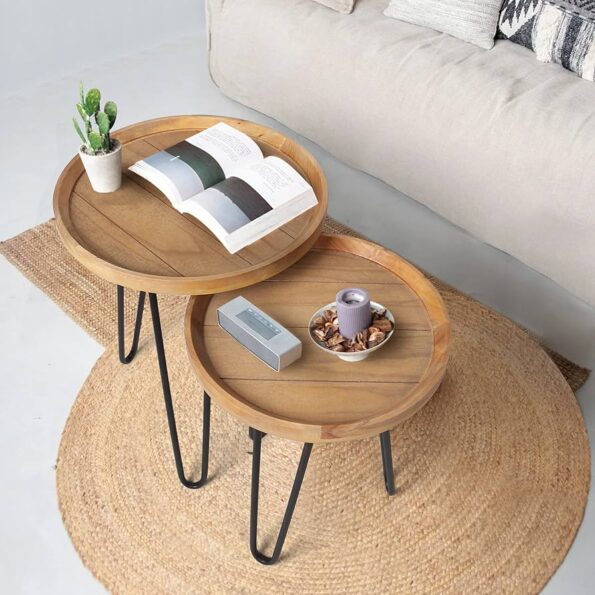
While the aesthetics of your coffee table are important, don’t overlook its functionality. Here are some features to consider:
a) Storage
If your family room is short on storage, consider a coffee table with built-in shelves, drawers, or compartments. These can be used to store books, magazines, remote controls, or even children’s toys, helping to keep your space tidy and organized.
b) Multifunctional Tables
Some coffee tables are designed to serve multiple purposes. For example, lift-top coffee tables have a surface that can be raised to create a higher work or dining space. This is especially useful if your family room doubles as a home office or if you often eat in the living room.
c) Nesting Tables
Nesting coffee tables consist of two or more tables of different sizes that fit together. They’re a great option for small spaces, as they can be spread out when needed and tucked away when not in use. They also add a dynamic element to your décor.
d) Wheels or Casters
If you frequently rearrange your furniture, consider a coffee table with wheels or casters. This makes it easy to move the table around as needed, whether you’re creating more space for a gathering or simply changing up your room’s layout.
7. Coordinating Your Coffee Table with Other Furniture
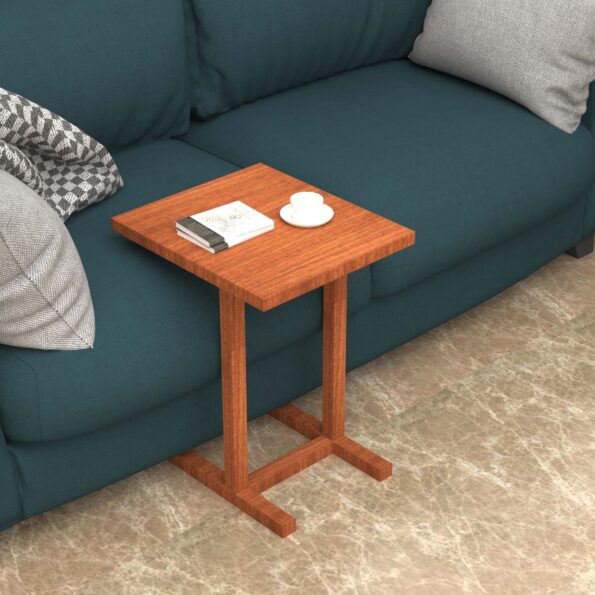
Your coffee table should complement the other furniture in your family room, creating a cohesive look. Here are some tips for achieving harmony:
a) Match Materials
While it’s not necessary to match every piece of furniture exactly, coordinating materials can help tie the room together. For example, if you have a wooden TV stand, consider a coffee table with a similar wood finish.
b) Balance Proportions
Ensure that your coffee table is in proportion with your other furniture. A large, bulky table may overpower a delicate sofa, while a small, dainty table could get lost in a room with oversized furniture.
c) Colour Coordination
If your family room has a strong color scheme, choose a coffee table that complements these colors. This could mean selecting a table in a similar shade or opting for a neutral color that balances the room’s palette.
8. Making a Statement with Your Coffee Table
Your coffee table can be more than just a practical piece; it can also act as a stylish centerpiece in your living space. Here are several ideas to make your coffee table a standout item:
a) Unique Shapes
Opting for a coffee table with a unique shape can enhance the visual appeal of your family room. Think about choosing geometric patterns, asymmetrical designs, or tables with artistic bases.
b) Bold Colours or Finishes
A coffee table that boasts a striking colour or a unique finish can easily draw attention and become the centrepiece of your gathering area. Explore options like bold shades, shiny finishes, or metallic tables for a touch of sophistication.
c) Artistic Design
Certain coffee tables resemble true masterpieces, showcasing detailed designs, carvings, or unconventional materials. These exceptional pieces can spark engaging conversations while enriching the overall aesthetics of your family room.
01. What size coffee table should I choose for my family room?
02. What size coffee table is best for small family rooms?
03. Which materials are best for a family room coffee table?
Glass: Sleek and modern, but requires frequent cleaning.
Metal: Durable and contemporary, but can feel cold.
Stone: Luxurious and sturdy, but heavy and requires maintenance.
Upholstered: Comfortable and soft, ideal for homes with children, though it may need regular cleaning.
04. How do I match my coffee table with my family room décor?
05. Is a coffee table with storage a good idea?
06. Can a coffee table serve multiple purposes?
07. What should I consider if I have young children?
08. How do I incorporate a coffee table as a statement piece?
09. How much space should I leave between my coffee table and the sofa?
10. What if my family room has limited space?
11. Should my coffee table match my other furniture?
12. How do I choose a coffee table that fits my budget?
13. Is it okay to have more than one coffee table in a family room?
14. How do I maintain and care for my coffee table?
Wood: Use coasters to prevent water rings and clean with a damp cloth. Periodically polish or wax to maintain the finish.
Glass: Clean with a glass cleaner to remove smudges and fingerprints.
Metal: Wipe with a damp cloth and avoid abrasive cleaners that could scratch the surface.
Stone: Seal the surface regularly to prevent staining and clean with a mild detergent.
Upholstered: Vacuum regularly and spot clean spills according to the fabric’s care instructions.
15. What are some common mistakes to avoid when choosing a coffee table?
Choosing a table that’s too large or too small for the space.
Ignoring the height, making it uncomfortable to use.
Selecting a material that’s not practical for your lifestyle (e.g., glass in a home with young children).
Not considering storage needs, resulting in a cluttered space.
Overlooking the style, leading to a mismatched room.