
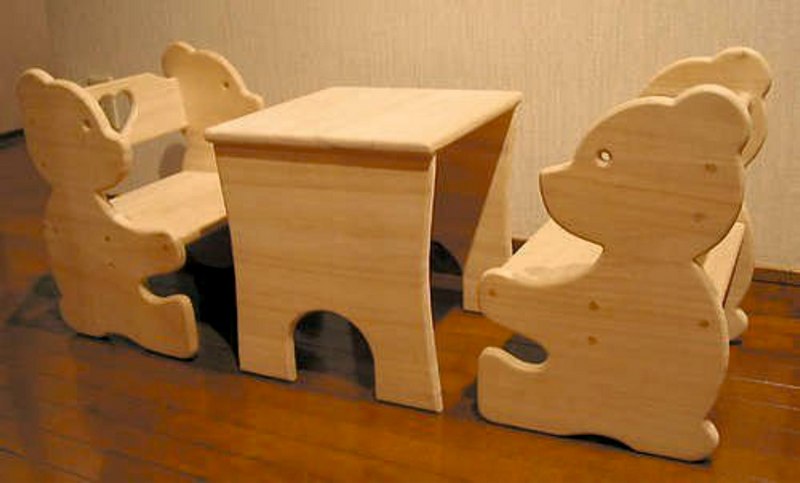
When it comes to furnishing a child’s room or play area, selecting the right table and chairs is crucial. These pieces of furniture are more than just decorative items; they are functional tools that can significantly impact a child’s development, creativity, and comfort. Whether for homework, crafting, or mealtime, the perfect kids’ table and chairs set can create an inviting space that fosters learning and play. This guide will walk you through everything you need to consider when choosing the perfect table and chairs for your child.
1. Understanding the Importance of the Right Table and Chairs
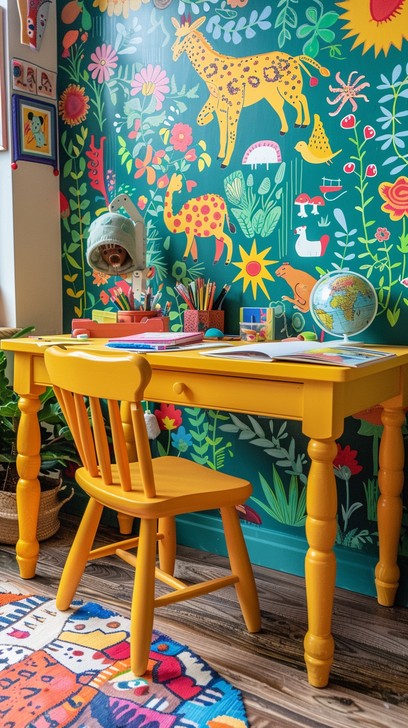
Before diving into the specifics, it’s essential to understand why choosing the right table and chairs is so important. The right furniture can:
- Promote Healthy Development: Appropriately sized furniture supports good posture and can mitigate strain or discomfort during extended use. An ergonomically designed table and chair set promotes healthy sitting habits, which are crucial for your child’s physical growth.
- Improve Concentration: An ergonomic and comfortable environment can enhance your child’s ability to concentrate on tasks, whether they’re completing homework, drawing, or participating in other activities.
- Foster Independence: Furniture that is easily accessible and usable by children nurtures a sense of responsibility and independence.
- Stimulate Creativity: A dedicated area for activities fosters creativity, making playtime or study sessions more enjoyable and engaging.
2. Age-Appropriate Designs
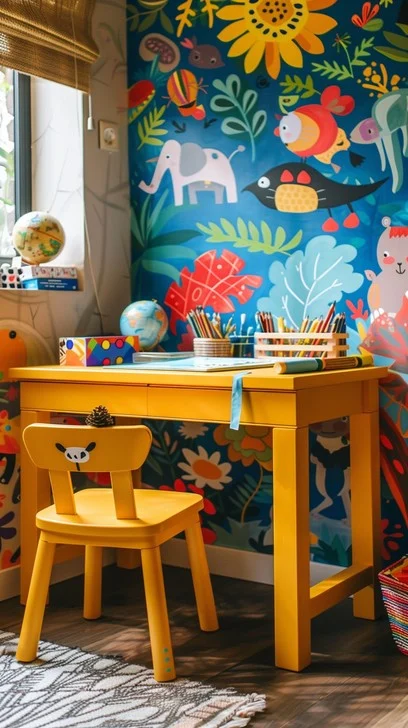
When choosing a table and chairs, it’s essential to consider your child’s age. Furniture that’s too large or too small can be uncomfortable and unsafe. Here’s a breakdown of what to consider at different ages:
Toddlers (1-3 years old)
At this stage, children are just beginning to explore their environment. A table and chairs set designed for toddlers should be low to the ground, with rounded edges to ensure safety. Chairs should be sturdy and stable, preventing tipping.
Preschools (3-5 years old)
For preschools, furniture should still be on the smaller side, but with a bit more height than toddler sets. Look for chairs with back support to encourage good posture. The table should be spacious enough to accommodate various activities like drawing, puzzles, and snacks.
School-Aged Children (6-12 years old)
As children grow, their needs change. A larger table and chairs that can support homework, reading, and crafting are essential. The furniture should be adjustable or sized appropriately to ensure comfort and functionality.
3. Material Matters
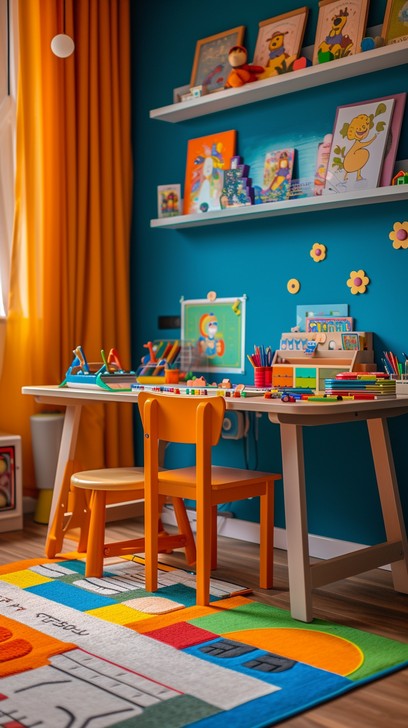
The material of the table and chairs set is a crucial factor to consider, impacting both durability and aesthetics. Here are some common materials used in kids’ furniture:
Wood
Wooden table and chairs are classic and durable. They offer a timeless look that can blend seamlessly with other furniture in the home. Look for solid wood or high-quality engineered wood that can withstand rough use.
Plastic
Plastic sets are lightweight, easy to clean, and often come in bright, fun colours. They are perfect for younger children and can be easily moved around. However, they may not be as durable as wood or metal options.
Metal
Metal furniture is durable and often features a sleek, modern design. It’s an excellent choice for older children who might need sturdier furniture for studying and other activities. Ensure that any metal furniture has rounded edges and is coated to prevent rust.
Fabric-Covered Chairs
Some chairs come with fabric covers or cushions, adding extra comfort. If you opt for these, choose materials that are easy to clean and resistant to stains, as spills are inevitable with children.
4. Safety First
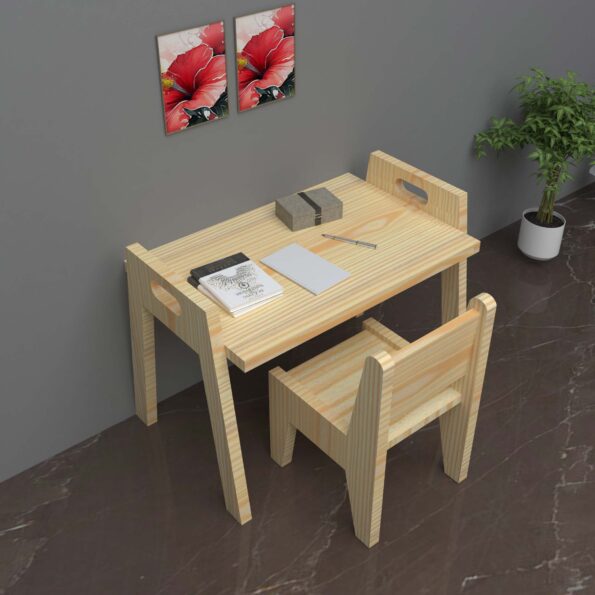
Safety is a top priority when selecting furniture for kids. Here are some safety considerations:
- Stability: Ensure the table and chairs are stable and not prone to tipping over. Chairs should have a wide base, and tables should have sturdy legs.
- Rounded Edges: Furniture with rounded edges can prevent injuries from accidental bumps and falls.
- Non-Toxic Materials: Choose furniture made from non-toxic materials and finishes. Check for certifications that ensure the products are free from harmful chemicals like lead and formaldehyde.
- Proper Sizing: Ensure that the furniture is appropriately sized for your child to prevent discomfort and strain.
5. Functionality and Features
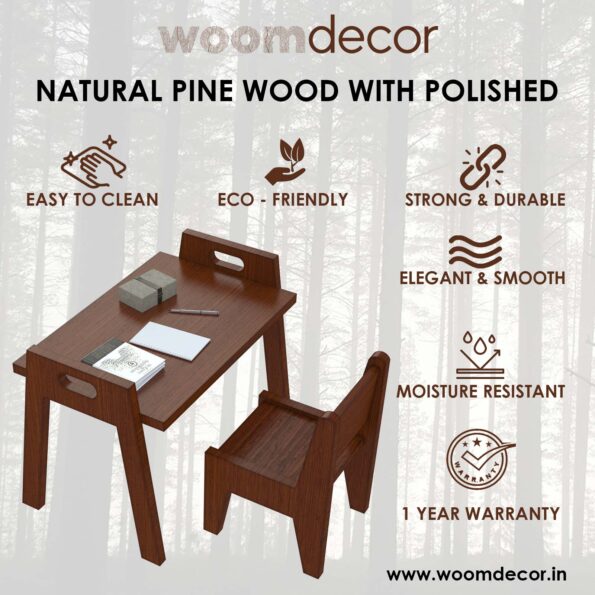
The functionality of a table and chairs set is equally as crucial as its aesthetic appeal. Keep the following aspects in mind:
Adjustability
Seek out table and chairs that allow for height adjustment. This characteristic is especially advantageous for growing children, enabling the furniture to adapt as their needs evolve.
Storage Solutions
Certain tables incorporate built-in storage options, such as drawers or shelves, which are useful for organizing art supplies, books, and toys. This feature is particularly advantageous in compact living spaces.
Multi-Purpose Use
Reflect on how the table and chairs will be utilized. If the table will function for various activities (such as dining, studying, and play), opt for a design that is both flexible and easy to maintain.
Ease of Cleaning
Kids’ furniture is bound to get messy, so choose materials and finishes that are easy to wipe down. Plastic and laminated wood surfaces are particularly easy to maintain.
6. Design and Aesthetic Appeal
While functionality and safety are paramount, the design of the table and chairs is also important. The furniture should appeal to your child and fit well within the overall decor of the room.
Themes and Colours
Take into account your child’s likes when selecting colours and themes. Some children are drawn to bold, vivid colours, whereas others may favour softer tones. A wide variety of themed furniture sets exist, showcasing beloved characters or designs that could enhance your child’s interest in the furniture.
Coordination with Existing Furniture
If you’re adding the table and chairs to an existing room, consider how they will coordinate with the other furniture. A cohesive look can make the space feel more organized and inviting.
Customizability
Some brands offer customizable options, allowing you to choose colours, finishes, and even engrave your child’s name on the furniture. This can make the furniture feel more personal and special.
7. Budget Considerations
Children’s furniture is available at various price points, making it essential to strike a balance between quality and affordability. Although choosing the least expensive option may be appealing, investing in a sturdy, high-quality set can be more economical over time, as it will endure longer and more effectively cater to your child’s requirements.
Value for Money
Consider the long-term value of the furniture. A higher upfront cost might be justified if the set is adjustable, durable, and versatile enough to grow with your child.
Second-Hand Options
If you’re on a tight budget, consider second-hand furniture. Many high-quality sets can be found at a fraction of the original price. Just ensure that the furniture is still in good condition, especially regarding safety features.
8. Considerations for Space
Prior to buying a table and chairs set, take the time to measure the area where it will be positioned. Make certain there’s ample space for your child to move around freely, and think about how the furniture will coordinate with other pieces in the room.
Space-Saving Solutions
When space is at a premium, consider opting for compact furniture designs that can be effortlessly folded and stored away when they aren’t needed. Certain tables feature chairs that can be neatly tucked away beneath them to maximize available space.
Room Layout
Consider the overall layout of the room. The table and chairs should be placed in an area that gets good natural light and is free from distractions. Ensure that the furniture doesn’t obstruct pathways or make the room feel cramped.
9. Engaging Your Child in the Decision-Making Process
Ultimately, think about including your child in the furniture selection process. Since they will be the ones utilizing it, their perspective is invaluable. Invite them to join you while shopping or share images online to gather their opinions on colors, themes, and styles that appeal to them. This engagement can heighten their enthusiasm for using the table and chairs while also assisting you in selecting options that reflect their personality and tastes.
01. What Size Should a Kids’ Table and Chairs Be?
02. What Material Is Best for Kids’ Table and Chairs?
Wood: Durable and classic, ideal for a long-term investment.
Plastic: Lightweight, easy to clean, and available in fun colors, perfect for younger children.
Metal: Sturdy and modern, suitable for older children who need more durable furniture.
Fabric-Covered Chairs: Offer extra comfort but should be easy to clean.
03. How Can I Ensure the Table and Chairs Are Safe for My Child?
Stability: Ensure the furniture has a wide base and sturdy legs to prevent tipping.
Rounded Edges: Prevent injuries from sharp corners.
Non-Toxic Materials: Choose furniture made from non-toxic finishes and materials, with certifications indicating they are free from harmful chemicals.
Proper Sizing: Ensure the furniture is appropriately sized to prevent discomfort and strain.
04. Is Adjustable Furniture Worth the Investment?
05. How Do I Clean and Maintain Kids’ Tables and Chairs?
Wood: Wipe with a damp cloth and use mild soap for tougher stains. Avoid harsh chemicals that could damage the finish.
Plastic: Easily cleaned with soap and water or disinfecting wipes.
Metal: Wipe with a damp cloth and dry immediately to prevent rust.
Fabric-Covered Chairs: Spot clean with mild detergent, and use a fabric protector to prevent stains.