
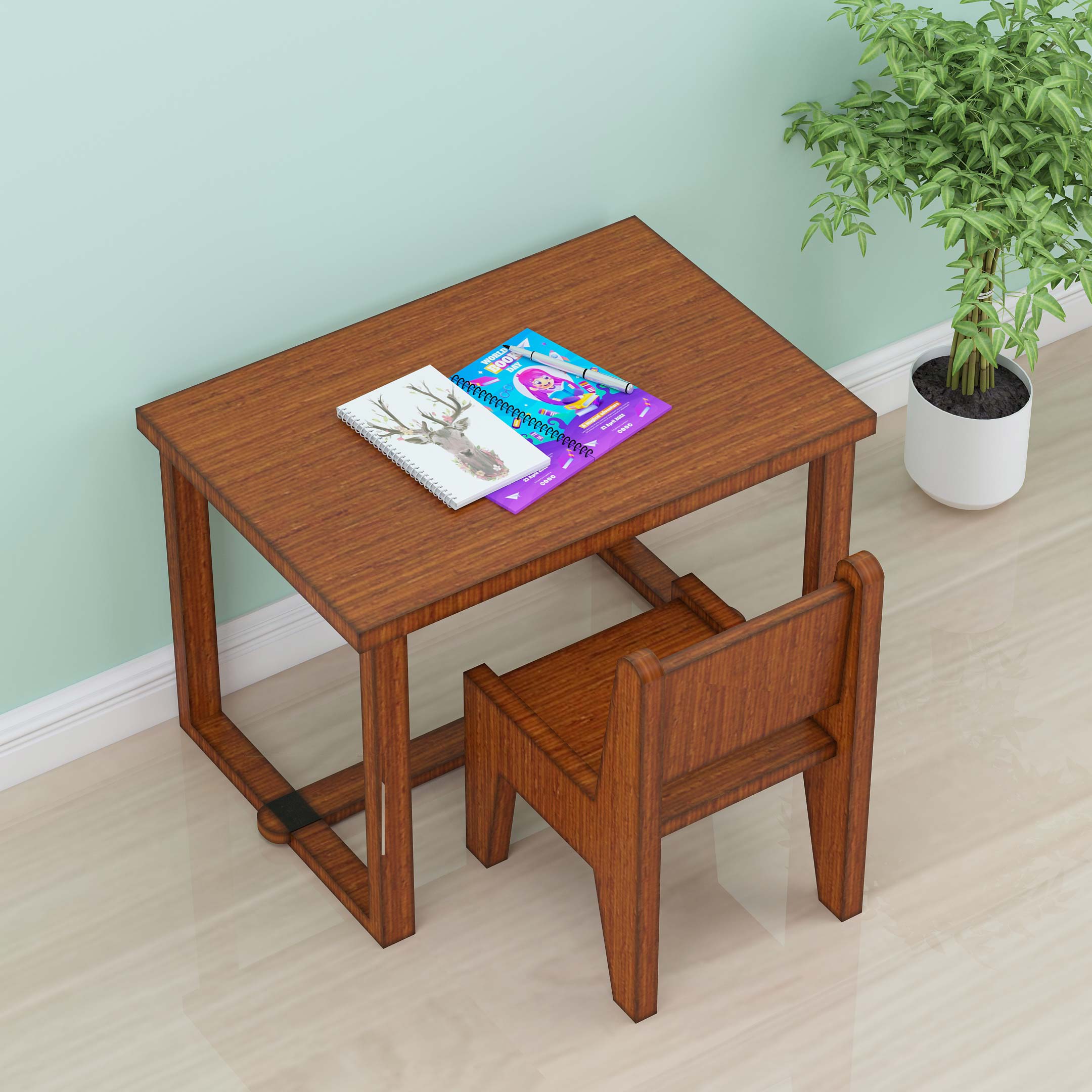
When choosing the perfect study space for your child, selecting the right kids study table is essential. Kids study tables need to be more than just a place to do homework; they should foster a positive learning environment and support the developmental needs of growing children. Here’s a comprehensive guide to the top features to look for in kids study tables to ensure you make the best choice for your child’s study area.
1. Ergonomic Design
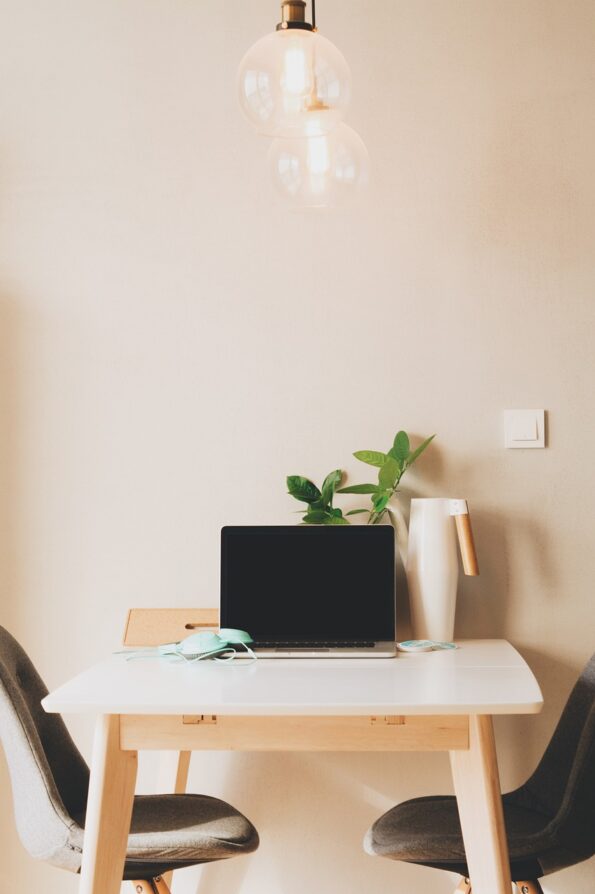
Importance of Ergonomics in Kids Study Tables
An ergonomic design is vital for children’s study tables, as it directly impacts their posture, comfort, and overall well-being. A table that encourages proper seating posture helps prevent strain on the back and neck, which is especially important during extended study periods.
Adjustable Height in Kids Study Tables
One of the primary ergonomic features to look for is adjustable height. As children develop, their requirements evolve, and a height-adjustable study table enables you to alter the height to align with their individual size and comfort needs. Choose tables equipped with a height adjustment mechanism that is both user-friendly and secure.
Proper Table and Chair Height for Kids Study Tables
The table should be at a height where your child can sit comfortably with their feet flat on the floor and their arms at a 90-degree angle when writing. Ensure the chair is also adjustable and supportive, matching the table’s height to avoid any strain.
2. Sturdy Construction

Material Quality in Kids Study Tables
The materials used to construct children’s study tables should be tough and resilient. It is advisable to select high-quality wood, metal, or a blend of materials that can endure everyday usage. Tables crafted from solid wood or metal typically offer greater durability than those made from particle board or plastic.
Stable Base of Kids Study Tables
A stable base is essential to ensure that the kids study tables doesn’t wobble or tip over. Look for tables with a wide, balanced base and strong legs that can support the weight of books, stationery, and other study materials.
3. Adequate Storage
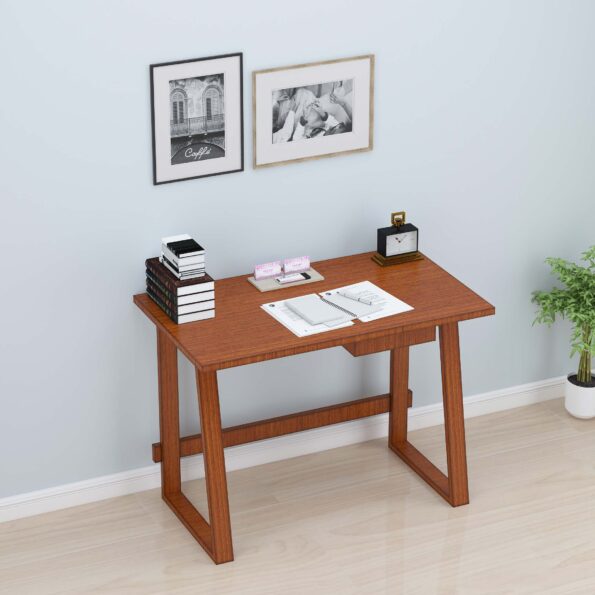
Drawers and Shelves in Kids Study Tables
Storage is a significant feature to consider in kids study table. Tables with built-in drawers and shelves help keep study materials organized and within reach. Look for tables that have compartments for books, stationery, and other essentials.
Desk Organizer for Kids Study Tables
Some kids study table come with built-in desk organizers or pencil holders. These features can help teach children organization skills from an early age and keep their study area tidy.
4. Safety Features
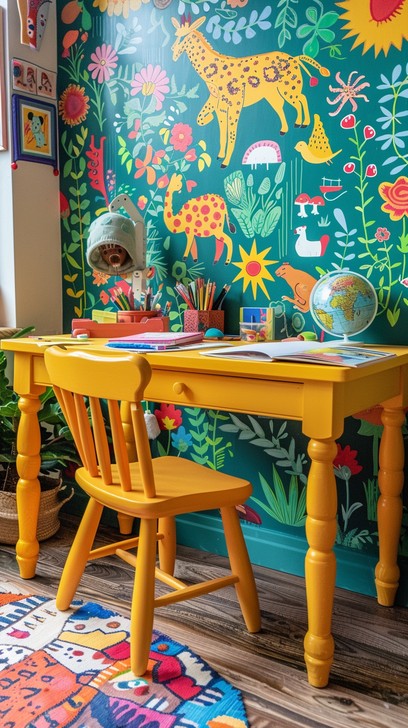
Rounded Corners on Kids Study Tables
Safety is a top priority when it comes to kids’ furniture. Tables with rounded corners reduce the risk of injuries from sharp edges. Ensure the kids study table is designed with smooth, rounded edges to prevent accidental bumps and cuts.
Non-Toxic Finishes on Kids Study Tables
Children can be sensitive to chemicals, so it’s essential to choose a table with non-toxic, child-safe finishes. Check for certifications or labels indicating that the kids study table is free from harmful substances like lead or formaldehyde.
Sturdy Fastenings in Kids Study Tables
Ensure that the kids study table has secure fastenings and no loose parts that could pose a choking hazard. All screws and bolts should be properly tightened, and the table should be free from sharp edges or protruding parts.
5. Adjustable Features
Tiltable Desktop on Kids Study Tables
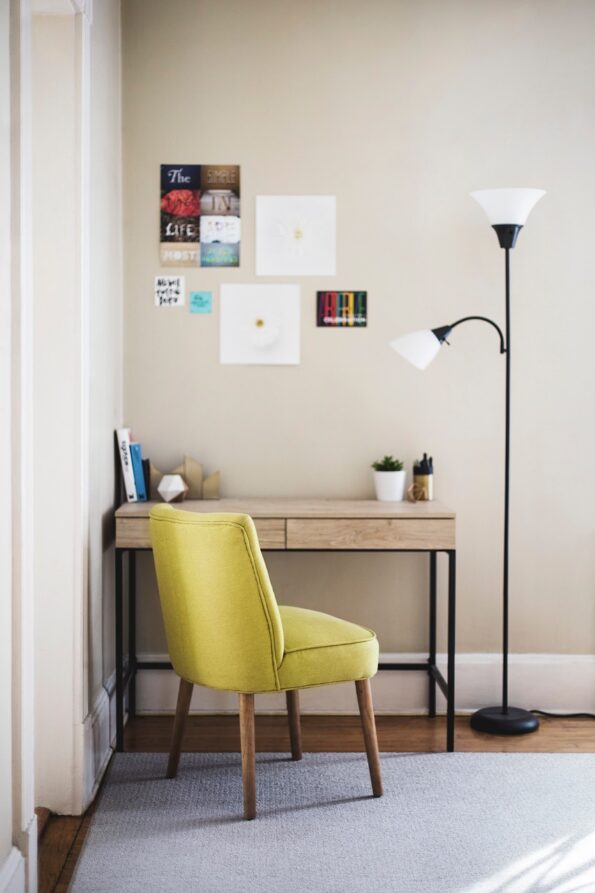
An adjustable or tiltable desk can be advantageous for children who require the capability to modify their writing or reading angles. This functionality can alleviate eye strain and encourage improved posture. When shopping for children’s study tables, choose those with an easy-to-use tilting mechanism for smooth adjustments.
Height-Adjustable Chair with Kids Study Tables
If the children’s study table does not include an adjustable chair, think about getting a separate chair that easily adjusts in height. This ensures that the chair can align with the table’s height, providing your child with optimal comfort while studying.
6. Design and Aesthetics
Color and Style of Kids Study Tables
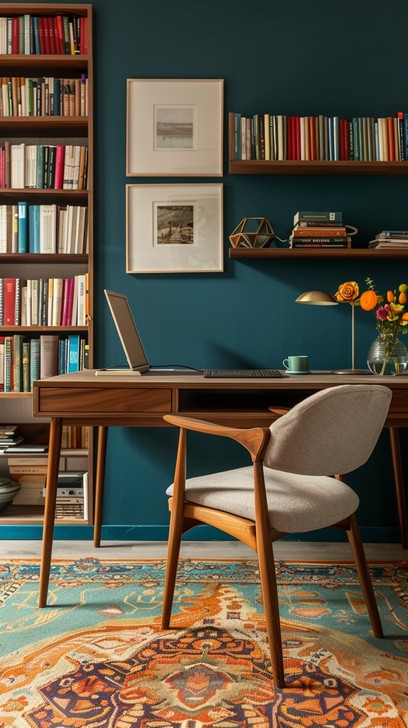
The design and color of kids study tables can influence your child’s mood and interest in studying. Choose a style and color that complements the room decor and appeals to your child’s preferences. Bright colors and fun designs can make the study space more inviting and enjoyable.
Personalization Options for Kids Study Tables
Some kids study tables offer customization options, such as nameplates or themed designs. Allowing your child to personalize their study space can make them more excited about using it.
7. Size and Space Efficiency
Appropriate Dimensions of Kids Study Tables
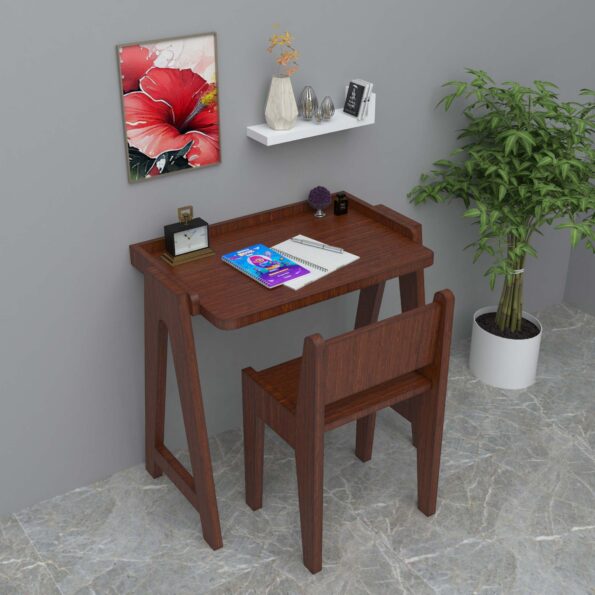
The dimensions of a children’s study table need to be suitable for both the space in the room and your child’s requirements. A table that is excessively large could dominate the area, whereas one that is too small might not offer sufficient space for study materials.
Compact Designs of Kids Study Tables
If you’re dealing with constrained space, think about using compact or foldable study tables for kids. These options are perfect for tighter rooms and can be conveniently tucked away when not in use. Seek out tables designed to fold or extend as necessary, ensuring that stability and functionality are not sacrificed.
8. Easy Maintenance

Cleaning and Durability of Kids Study Tables
A kids study table should be easy to clean and maintain. Choose materials that are resistant to stains and can be wiped down easily. Avoid surfaces that require special cleaning products or extensive maintenance.
Scratch and Stain Resistance of Kids Study Tables
Opt for tables with scratch and stain-resistant finishes. Kids can be messy, and a durable surface will ensure the kids study table remains in good condition despite spills or scratches.
9. Additional Features
Built-In Lighting for Kids Study Tables
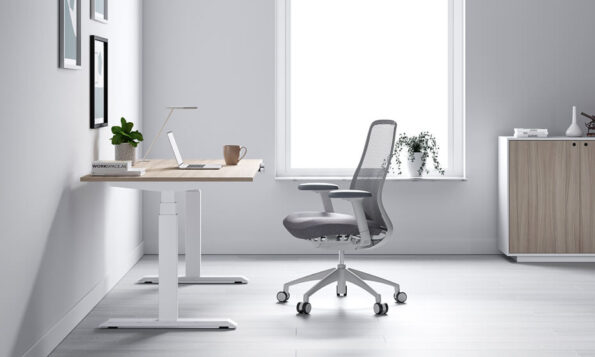
Certain children’s study tables are designed with integrated lighting to ensure sufficient brightness for reading and writing tasks. Adjustable LED lamps can help alleviate eye strain and enhance the functionality of the study space.
Technology Integration in Kids Study Tables
Contemporary children’s study tables might also feature built-in charging ports or systems for organizing cables. These elements are especially beneficial for older kids who rely on electronic devices for their schoolwork.
Ergonomic Accessories for Kids Study Tables
Look for tables that include ergonomic accessories like wrist supports or keyboard trays. Such features can improve comfort and support healthy study practices.