
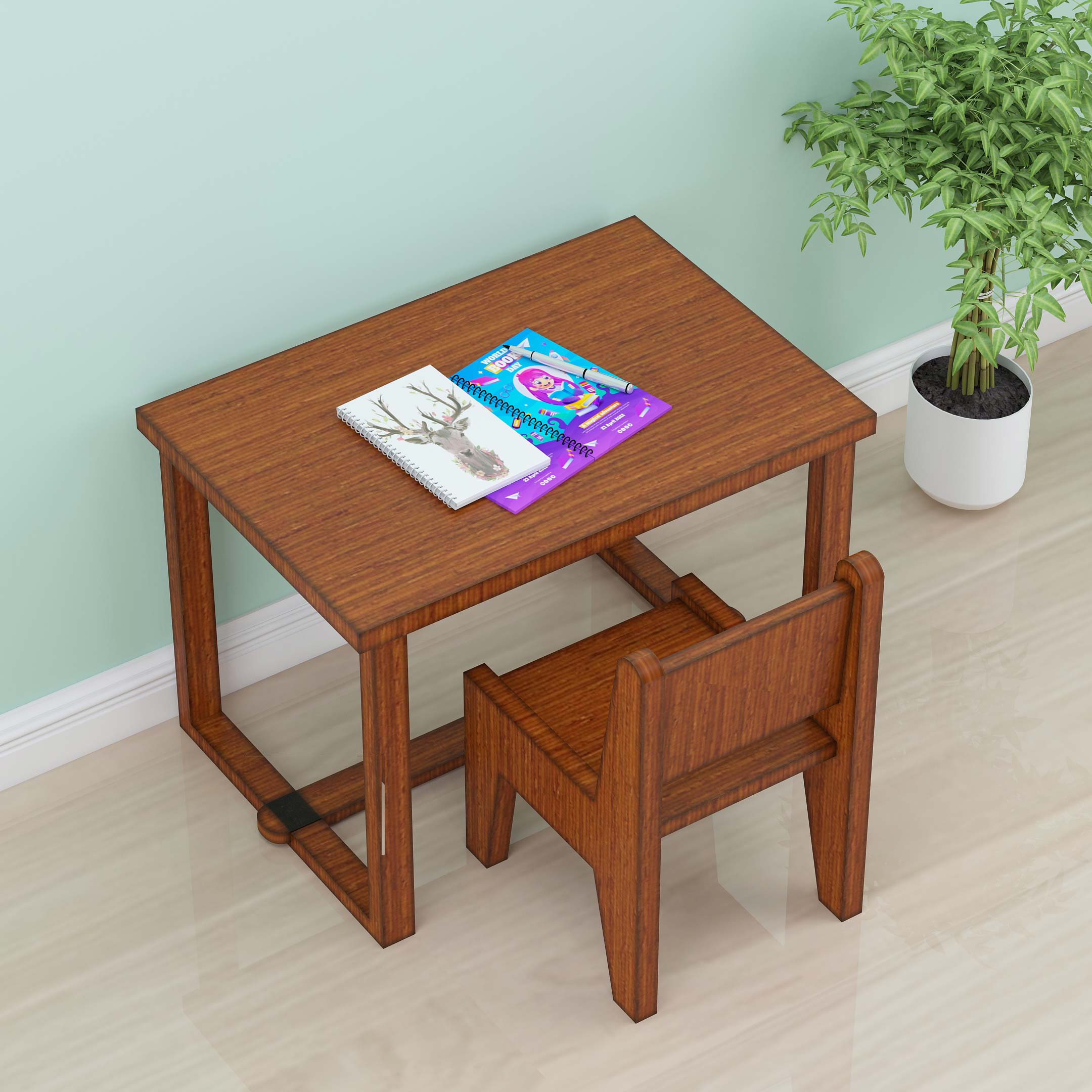
In the rapidly changing landscape of today’s world, it’s crucial to establish a space that nurtures learning, creativity, and comfort, particularly in children’s bedrooms. A vital component of such an environment is the Multi-Functional Study Table. Given that children’s needs are ever-changing, these versatile tables can cater to several activities—spanning from homework and arts and crafts to reading and playtime.
In this blog post, we will delve into the significance of Multi-Functional Study Tables, examine their different types and features, and provide guidance on selecting the perfect one to design an optimal study area for your child.
Why Multi-Functional Study Tables are Essential for Kids
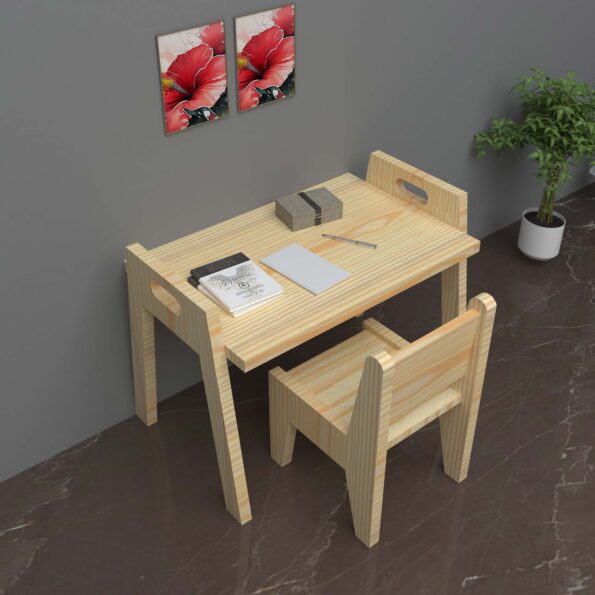
As children grow, their needs change. A space that works for a toddler may not be suitable for a school-age child, and the design of their furniture should adapt to these changes. Multi-Functional Study Tables are specifically designed to accommodate a child’s academic and recreational activities, offering both practicality and aesthetic appeal.
Here are some reasons why Multi-Functional Study Tables are an essential addition to kids’ rooms:
1. Encourages Focus and Organization
A designated study area helps children focus better on their work, whether it’s homework, reading, or even creative tasks like drawing. Multi-Functional Study Tables can be adjusted to suit different activities, keeping their space clutter-free and organized.
2. Grows with the Child
Many Multi-Functional Study Tables are height-adjustable and customizable, allowing the furniture to grow with your child. This means you won’t need to replace the table every few years, making it a long-term investment.
3. Supports Multiple Activities
Multi-Functional Study Tables feature integrated storage, collapsible components, and various compartments capable of accommodating items such as books and art materials. This design helps children transition seamlessly between activities while keeping their environment tidy.
4. Maximizes Small Spaces
In homes where space is at a premium, Multi-Functional Study Tables are incredibly valuable. Their compact yet adaptable designs suit smaller rooms perfectly, optimizing the use of limited space without sacrificing practicality.
5. Boosts Creativity and Independence
By having a well-organized, dedicated workspace, children are more likely to engage in creative activities and develop independence in organizing their own materials. Multi-Functional Study Tables promote responsibility and encourage children to maintain their study area.
Types of Multi-Functional Study Tables
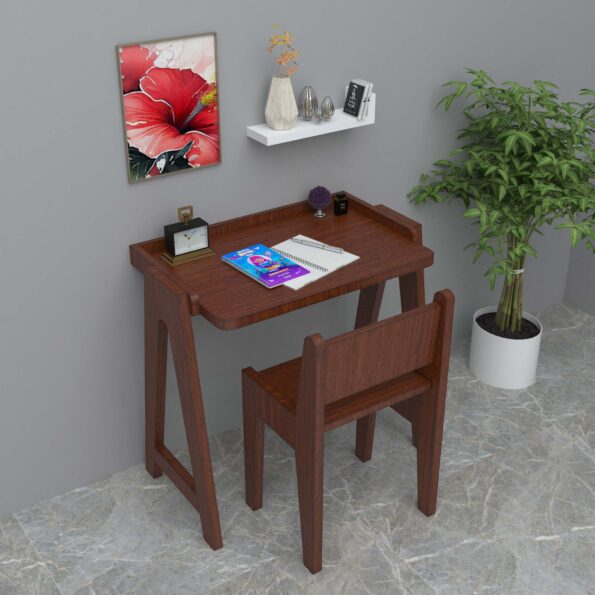
When choosing Multi-Functional Study Tables, it’s important to consider your child’s specific needs, room size, and the table’s versatility. Let’s explore some of the most popular types of Multi-Functional Study Tables for kids:
1. Height-Adjustable Study Tables
Height-adjustable Multi-Functional Study Tables are ideal for growing children, as they can be adjusted to suit their current height. These tables often come with an ergonomic design that promotes good posture while sitting, preventing back and neck strain.
The key benefit of this type of table is its flexibility, allowing it to be used for a variety of tasks, from studying to arts and crafts, and even computer work. Many height-adjustable Multi-Functional Study Tables also include features like tilt-able desktops, which help with reading and writing at different angles.
2. Foldable Study Tables
Foldable Multi-Functional Study Tables are perfect for homes with limited space. These tables can be folded up and stored away when not in use, making them a great space-saving solution. Despite their compact design, many foldable tables come with additional storage compartments, allowing children to keep their supplies organized.
These Multi-Functional Study Tables are also portable, making them ideal for families who may need to rearrange or repurpose the room for different activities.
3. Study Tables with Built-In Storage
One of the biggest challenges in kids’ rooms is keeping everything organized. A study table with built-in storage helps solve this problem by providing multiple compartments for books, stationery, and art supplies. Some Multi-Functional Study Tables even come with drawers, shelves, and pegboards for added convenience.
Tables with built-in storage help reduce clutter and ensure that your child has everything they need within arm’s reach, making study time more efficient and enjoyable.
4. Convertible Study Tables
Convertible Multi-Functional Study Tables are multi-purpose pieces of furniture that can transform from one function to another. For example, some tables can be used as both a study desk and a play table. Others can be converted into a drawing board or even a small bookshelf.
These Multi-Functional Study Tables are ideal for children who have diverse interests, as they can easily switch between study and play modes. Convertible tables also add a fun element to the room, making it an inviting space for kids to spend time in.
5. Wall-Mounted Study Tables
For smaller rooms, wall-mounted Multi-Functional Study Tables are an excellent choice. These tables are attached to the wall and can be folded down when needed. Once study time is over, the table can be folded back up, freeing up floor space for other activities.
Wall-mounted Multi-Functional Study Tables are sleek and modern, and they often come with additional storage options such as shelves or cubbies. They are ideal for minimalist room designs and help keep the room looking neat and tidy.
Key Features to Look for in Multi-Functional Study Tables
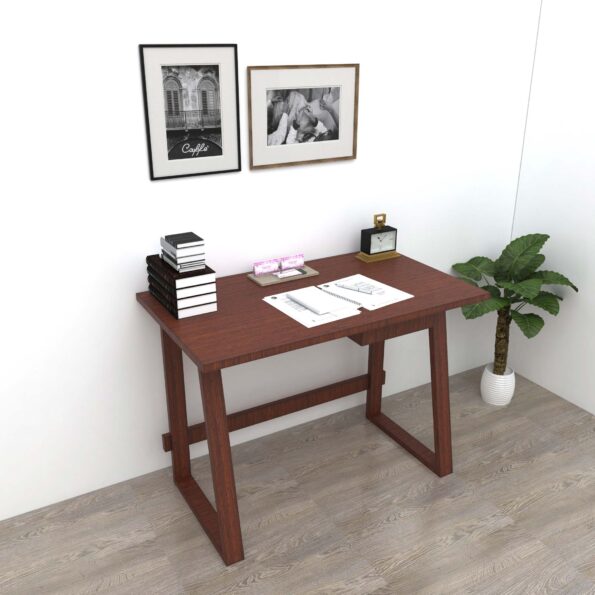
There are several key factors to consider when choosing multipurpose study desks for a child’s room. These features will allow the table to meet your child’s needs and create the overall structure of the room.
1. Ergonomic Design
Ergonomic design is important to keep your child comfortable during long class periods. Look for a versatile study desk with adjustable height, and a chair that offers excellent back support. Proper ergonomics can help prevent postural issues and make class time comfortable and productive.
2. Ample Storage
Multi-Functional Study Tables should offer plenty of storage options, including drawers, shelves, and cubbies. This will help keep the workspace tidy and ensure that your child’s materials are easily accessible. Tables with built-in organizers or desk dividers can also help teach children how to categorize and store their supplies efficiently.
3. Durability
Kids can be rough with their furniture, so durability is an important factor to consider. Look for Multi-Functional Study Tables made from high-quality materials such as solid wood, metal, or heavy-duty plastic. This will ensure that the table can withstand wear and tear over time, making it a reliable investment.
4. Customizability
Tables that offer customization options, such as removable storage units or interchangeable tabletops, are great for growing kids. Customizable features allow Multi-Functional Study Tables to evolve with your child’s changing needs and preferences, making them versatile pieces of furniture.
5. Safety Features
Safety is always a top priority when it comes to children’s furniture. Choose Multi-Functional Study Tables with rounded edges and non-toxic materials to minimize the risk of injury. Additionally, ensure that any moving parts, such as drawers or foldable elements, are child-friendly and easy to operate.
6. Attractive Design
While functionality is key, the aesthetic appeal of Multi-Functional Study Tables is also important. Children are more likely to enjoy spending time at their desk if it looks inviting and fits in with the overall theme of their room. Choose a design that your child loves, whether it’s a table with bright colours, playful patterns, or a sleek, minimalist look.
How to Set Up the Perfect Study Space

Once you’ve selected the ideal Multi-Functional Study Tables, it’s time to design the optimal study environment for your child. Here are some suggestions for creating a constructive and motivating study area:
1. Choose the Right Location
Position the Multi-Functional Study Tables in a quiet, well-lit part of the room, enabling your child to focus without distractions. Ideally, place the table close to a window to benefit from natural light, which enhances concentration and lessens eye strain.
2. Keep it Organized
Teach your child the importance of keeping their study space organized. Use desk organizers, trays, and bins to store supplies, and encourage them to clean up after each study session. A clutter-free desk makes it easier to focus on tasks and promotes a sense of responsibility.
3. Personalize the Space
Allow your child to personalize their study area with items that inspire them, such as artwork, motivational quotes, or photos. Adding personal touches to Multi-Functional Study Tables can make study time more enjoyable and encourage creativity.
4. Use Task Lighting
In addition to natural light, task lighting is essential for providing focused illumination while studying or doing homework. Invest in a good-quality desk lamp with adjustable brightness levels to ensure your child has proper lighting during their study sessions.
5. Incorporate Comfortable Seating
In addition to the table itself, ensuring a comfortable chair with adequate back support is crucial. Look for adjustable chairs that promote good posture, especially for children who spend extended periods at their Multi-Functional Study Tables.
6. Encourage Breaks
Having a dedicated study space is essential, but it’s equally important to encourage your child to take regular breaks. Consider creating a cozy reading nook or a small play zone nearby where they can relax and recharge before returning to their Multi-Functional Study Tables.
01. What are multifunction class tables?
02. Why should I choose a multifunctional study desk for my child’s room?
03. What features should I look for in a multi-functional study table?
Height adjustability to grow with your child
Built-in storage for organizing study materials
Ergonomic design to ensure comfort and good posture
Durable materials to withstand wear and tear
Safety features such as rounded edges and non-toxic materials
Customizability to adapt to your child’s changing needs