
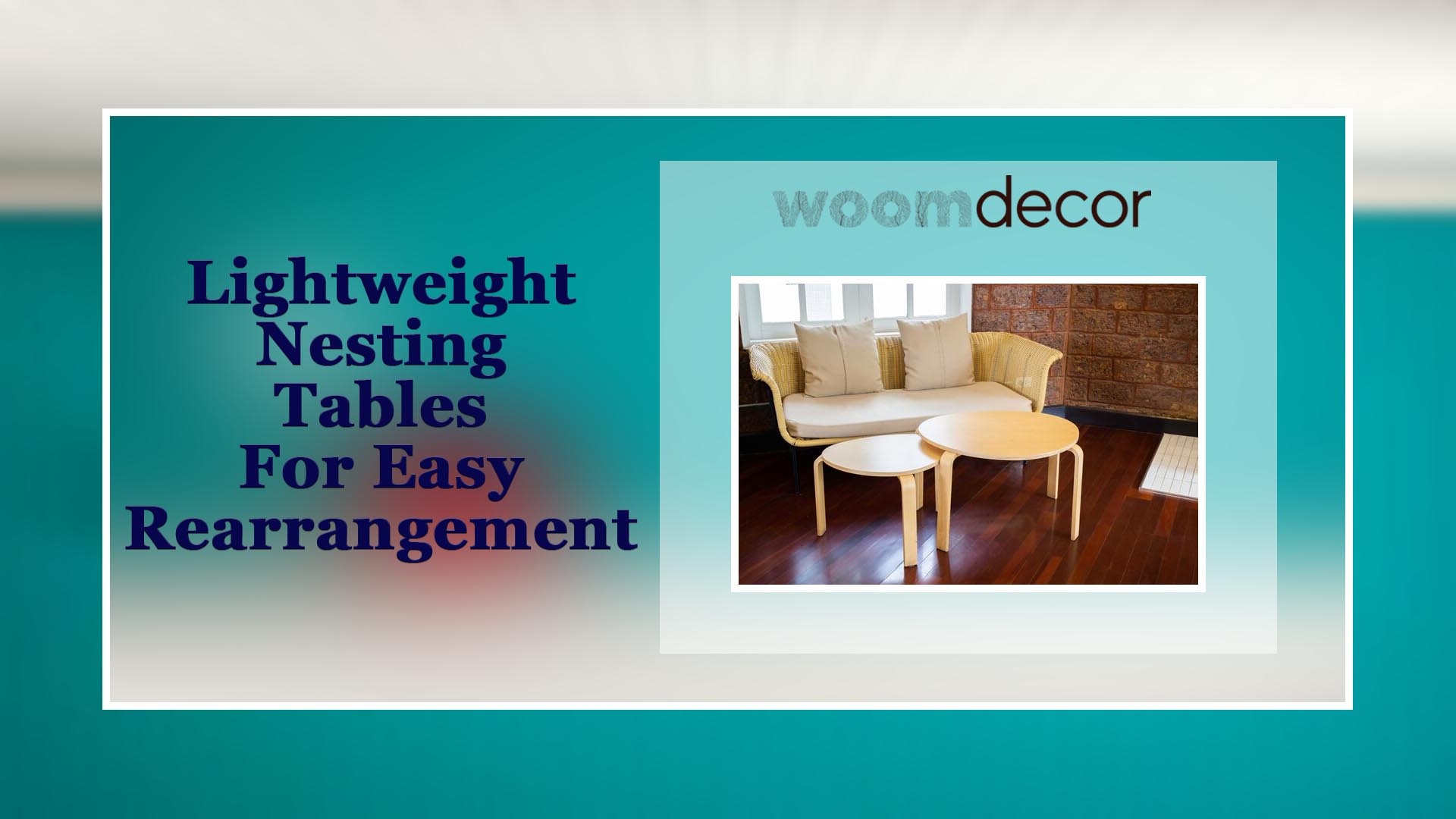
In today’s fast-paced world, the demand for adaptable, functional, and aesthetically pleasing furniture has grown exponentially. One such innovation that has seamlessly blended style with functionality is lightweight nesting tables. These compact, stackable pieces of furniture are designed for maximum utility while occupying minimal space, making them a popular choice for modern living.
This blog explores the world of lightweight nesting tables in depth, focusing on their features, benefits, applications, styling options, and much more. Whether you’re a homeowner, interior designer, or simply someone interested in versatile furniture solutions, this guide will offer everything you need to know about lightweight nesting tables.
Table of Contents
- Introduction to Lightweight Nesting Tables
- Why Nesting Tables Are a Game-Changer for Modern Homes
- Benefits of Lightweight Nesting Tables
- Popular Materials Used in Nesting Tables
- Types of Lightweight Nesting Tables
- Styling Tips for Nesting Tables
- How to Choose the Perfect Nesting Table Set
- Top Uses for Lightweight Nesting Tables in Different Rooms
- Maintenance and Care Tips for Nesting Tables
- A Look at Top Brands and Models in 2025
1. Introduction to Lightweight Nesting Tables
What are nesting tables?
Nesting tables are a set of two or more tables designed to stack or “nest” together when not in use. The smaller tables slide neatly underneath the larger ones, providing a space-saving solution for homes of all sizes. Their lightweight design allows for easy rearrangement, making them a versatile addition to any room.
These tables are not just practical; they also come in a variety of styles, materials, and finishes, making them suitable for almost any aesthetic. Whether you’re looking to furnish a cozy apartment or add functionality to a spacious home, lightweight nesting tables offer the perfect balance of utility and style.
2. Why Nesting Tables Are a Game-Changer for Modern Homes
The concept of nesting tables dates back to the 18th century, but their relevance has only grown in modern times. With shrinking living spaces and the rise of multifunctional furniture, nesting tables have become a staple in contemporary interiors.
Why are nesting tables so popular?
- Adaptability: They can serve as coffee tables, side tables, or even makeshift desks.
- Compact Design: Their stackable nature ensures they don’t take up unnecessary space.
- Portability: Lightweight materials make them easy to move around.
- Aesthetic Appeal: Available in a wide range of designs, nesting tables can complement any décor.
In short, they are a must-have for anyone seeking furniture that combines form and function.
3. Benefits of Lightweight Nesting Tables
Nesting tables are more than just an accessory; they are a practical solution for modern living. Here are some key benefits:
3.1 Space-Saving Design
The stackable nature of nesting tables makes them ideal for small apartments or rooms where space is limited. When not in use, they can be tucked away to free up valuable floor space.
3.2 Easy Rearrangement
Lightweight construction ensures that these tables can be moved and repositioned with ease. Whether you’re hosting guests or rearranging furniture, nesting tables provide unmatched flexibility.
3.3 Multi-Functionality
Nesting tables can serve multiple purposes:
- As a coffee table for your living room
- As bedside tables in your bedroom
- As work surfaces in your home office
- As serving tables during parties or gatherings
3.4 Stylish Addition to Any Space
Available in a variety of materials like wood, metal, glass, and rattan, nesting tables can match any interior style, from minimalist to bohemian.
4. Popular Materials Used in Nesting Tables
The choice of material can significantly impact the durability, style, and weight of nesting tables. Here’s a look at some commonly used materials:
4.1 Wood
- Pros: Durable, timeless, and versatile.
- Styles: Rustic, modern, Scandinavian.
- Best for: Homes with a cozy or traditional aesthetic.
4.2 Metal
- Pros: Sleek, lightweight, and durable.
- Styles: Industrial, minimalist.
- Best for: Modern or urban interiors.
4.3 Glass
- Pros: Elegant, visually light, and easy to clean.
- Styles: Contemporary, luxury.
- Best for: Small spaces, as glass creates an illusion of openness.
4.4 Composite Materials
- Pros: Affordable, lightweight, and customizable.
- Styles: Varied, depending on the finish.
- Best for: Budget-conscious homeowners.
5. Types of Lightweight Nesting Tables
Nesting tables come in various designs to suit different needs:
5.1 Minimalist Nesting Tables
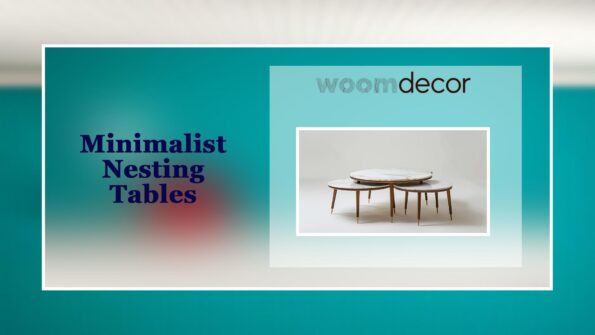
- Simple designs with clean lines.
- Ideal for modern and minimalist interiors.
5.2 Multi-Layered Tables
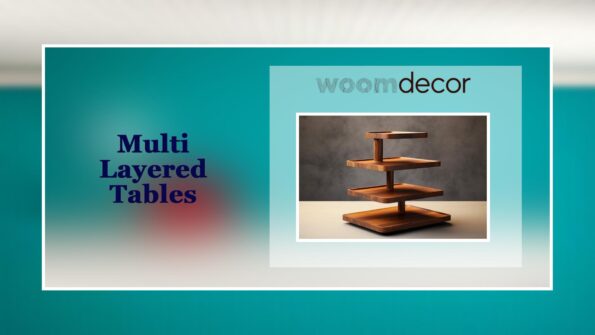
- Tables with unique shapes that create a layered effect.
- Best for eclectic or artistic spaces.
5.3 Multi-Functional Sets
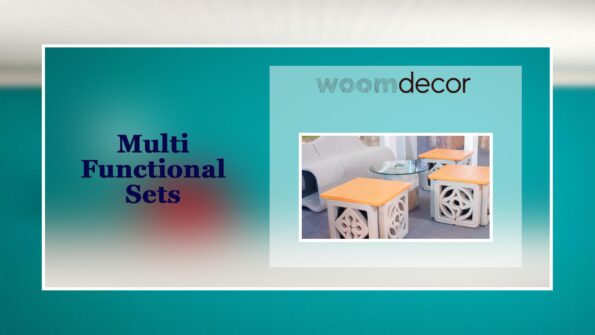
- Includes features like storage compartments or foldable surfaces.
- Perfect for small apartments or multipurpose rooms.
6. Styling Tips for Nesting Tables
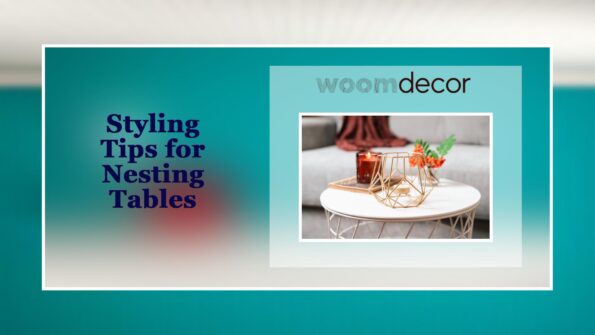
Nesting tables aren’t just functional—they’re also an opportunity to enhance your home’s aesthetics. Here are some styling tips:
6.1 Keep It Minimal
Place a single decorative item, like a vase or candle, on the top table for a clean, uncluttered look.
6.2 Layer Décor
Use each table to display items of varying heights, such as books, potted plants, and figurines.
6.3 Add Textures
Combine nesting tables with a textured rug or throw to add warmth and depth to your living space.
6.4 Experiment with Placement
Try positioning the tables diagonally or separating them across the room for a unique look.
7. How to Choose the Perfect Nesting Table Set
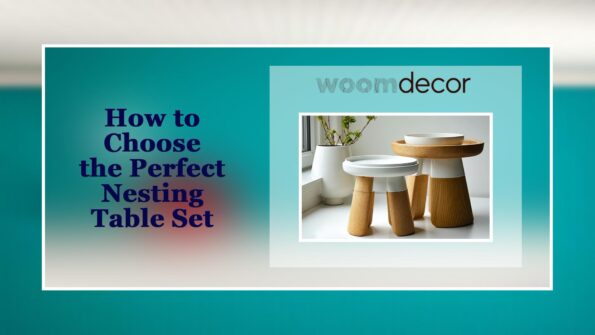
Selecting the right nesting table involves considering several factors:
7.1 Size and Dimensions
Ensure the tables fit your space and meet your functional needs.
7.2 Material and Finish
Choose materials that align with your décor and lifestyle. For instance, glass is great for a modern look, while wood adds warmth.
7.3 Weight
Opt for lightweight tables if you plan to move them frequently.
7.4 Budget
Set a budget and explore options within your price range. Many high-quality nesting tables are available at affordable prices.
8. Top Uses for Lightweight Nesting Tables in Different Rooms
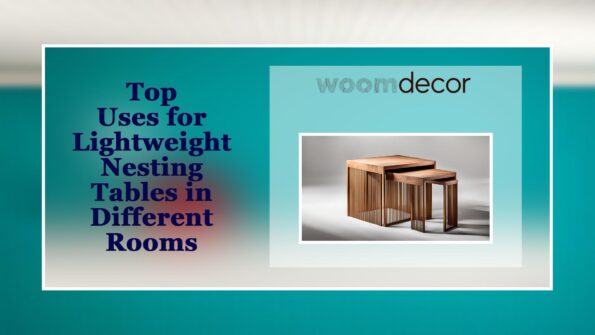
Nesting tables can enhance the functionality of any room:
Living Room
- As coffee tables or side tables for snacks and drinks.
- Use the smaller tables for decorative accents like candles or picture frames.
Bedroom
- As bedside tables for lamps, books, and alarm clocks.
- Perfect for small bedrooms where space is limited.
Home Office
- Use them as makeshift desks or extra surfaces for office supplies.
- Rearrange them to create a flexible workspace.
Outdoor Spaces
- Use weather-resistant nesting tables on patios or balconies.
- Great for holding drinks or potted plants.
9. Maintenance and Care Tips for Nesting Tables
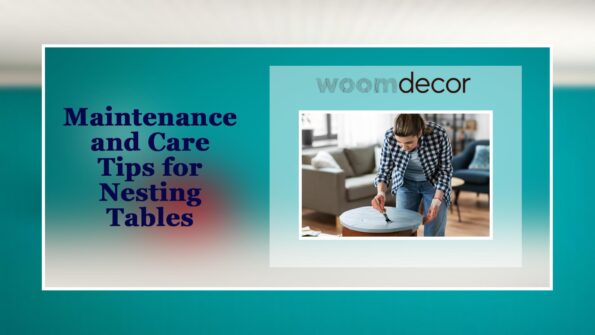
To ensure your nesting tables last for years, follow these care tips:
- Dust Regularly: Use a soft cloth to remove dust and dirt.
- Avoid Harsh Cleaners: Stick to mild cleaners to prevent damage.
- Protect the Surface: Use coasters and placemats to avoid scratches and stains.
- Handle with Care: Lightweight materials can be prone to dents or chips if mishandled.
10. A Look at Top Brands and Models in 2025

Here are some popular lightweight nesting table options:
10.1 Ikea LACK Nesting Tables
Affordable and minimalist, perfect for small spaces.
10.2 West Elm Mid-Century Nesting Tables
Stylish and durable, ideal for modern homes.
10.3 CB2 Peekaboo Acrylic Nesting Tables
Transparent acrylic design that’s perfect for compact rooms.
10.4 Pottery Barn Folsom Nesting Tables
Rustic wood design with a sturdy build, ideal for farmhouse aesthetics.
Q1. What are lightweight nesting tables, and why are they popular?
Their popularity stems from several factors:
Space Efficiency: Perfect for smaller homes or apartments, these tables help maximize floor space without compromising functionality.
Multi-Functional Use: They can serve as coffee tables, side tables, bedside tables, or even decorative elements.
Ease of Use: Their lightweight design makes them easy to carry and rearrange, allowing for dynamic layouts.
Aesthetic Versatility: Available in a wide range of materials, colours, and styles, nesting tables complement any interior design theme.
Q2. What makes lightweight nesting tables different from regular tables?
Stackable Design: Nesting tables are designed to slide under each other, while regular tables often occupy a fixed space.
Portability: Lightweight nesting tables are easier to carry and rearrange due to their compact design and lighter materials.
Multi-Functionality: They serve various purposes—coffee tables, side tables, nightstands, or even extra surfaces for entertaining guests.
Q3. Why should I choose lightweight nesting tables over traditional tables?
Small Spaces: Ideal for apartments, dorms, or rooms with limited square footage.
Multi-Purpose Usage: Perfect for people who need versatile surfaces for different tasks.
Dynamic Layouts: Great for individuals who frequently rearrange their furniture to suit changing needs.
Q4. Are lightweight nesting tables sturdy enough for daily use?
Q5. What are some innovative ways to use lightweight nesting tables?
Plant Displays: Arrange potted plants on each table for a tiered garden effect.
Art Showcase: Display small sculptures, framed pictures, or collectibles.
Kids’ Play Area: Use them as activity tables for kids’ crafts, puzzles, or games.
Entryway Storage: Place in the foyer to hold keys, mail, and other essentials.
DIY Bar Cart: Arrange drinks, glasses, and mixers for a portable cocktail station.
Vanity Setup: Use in a bedroom or bathroom to hold beauty products and mirrors.
Q6. What are the benefits of lightweight nesting tables?
Space-Saving Design: Stackable tables help free up floor space.
Portability: Lightweight materials make them easy to move and rearrange.
Versatility: Use them as coffee tables, side tables, nightstands, or work surfaces.
Aesthetic Appeal: Available in a wide range of styles and finishes to suit any décor.
Affordable Options: A wide price range ensures something for every budget.
Dynamic Functionality: Ideal for hosting gatherings or creating temporary workstations.
Q7. How do I care for and maintain lightweight nesting tables?
Wood: Wipe with a damp cloth and avoid prolonged exposure to moisture. Use coasters to prevent stains.
Metal: Dust regularly and clean with a damp cloth. For outdoor tables, use rust-resistant sprays if needed.
Glass: Clean with a glass cleaner for a streak-free shine. Handle carefully to prevent chips.
Acrylic: Use a soft microfiber cloth to avoid scratches and avoid abrasive cleaners.
General Care: Avoid placing heavy objects on lightweight tables and use felt pads to prevent scratching floors.
Q8. What are the disadvantages of lightweight nesting tables?
Limited Surface Area: Each table typically has a smaller surface compared to traditional tables.
Stability Issues: Lightweight materials may feel less sturdy, especially on uneven floors.
Durability Concerns: Some materials, like acrylic or MDF, may not last as long as solid wood or metal.
Q9. What factors should I consider when buying lightweight nesting tables?
Size: Ensure they fit comfortably in your room and meet your functional needs.
Material: Choose materials based on durability, maintenance, and aesthetic preferences.
Weight: Opt for tables that are easy to move but stable enough for daily use.
Style: Match the design with your interior décor theme.
Budget: Set a price range and look for options within your budget.
Room Purpose: Choose tables that suit the specific room they’ll be used in.
Q10. Are nesting tables suitable for small apartments?
Q11. How do I clean and maintain lightweight nesting tables?
Wood: Wipe with a damp cloth and avoid exposing it to excessive moisture.
Metal: Clean with a soft cloth to prevent scratches and use rust-resistant sprays if needed.
Glass: Use a glass cleaner for a streak-free shine and handle carefully to avoid chips.
Acrylic: Wipe with a microfiber cloth to prevent scratches and avoid abrasive cleaners.
Q12. Can nesting tables be used as desks?
Q13. What are some innovative ways to use nesting tables?
Plant Stands: Display plants at different heights for a layered effect.
Art Display: Showcase small sculptures, vases, or collectibles.
Kids’ Play Area: Use them as activity tables for children.
Entryway Storage: Place them in the foyer to hold keys, mail, or décor.
Q14. What styles of nesting tables are trending in 2025?
Mid-Century Modern: Sleek wood designs with tapered legs.
Minimalist: Simple metal or glass tables with clean lines.
Industrial: Metal frames paired with reclaimed wood surfaces.
Eclectic: Vibrant colours, asymmetrical shapes, and bold patterns.
Q15. How do I choose the right size of nesting tables?
Room Size: Choose tables proportional to the space they’ll occupy.
Surface Area: Ensure the top table is large enough for your primary use.
Height: Tables should align with the height of nearby furniture like sofas or beds.
Q16. Are nesting tables a good investment?
Q17. Can I customize my nesting tables?
Q18. What are the disadvantages of lightweight nesting tables?
Limited Surface Area: Individual tables may not offer as much space as traditional tables.
Durability Concerns: Lightweight materials may be less robust than heavier alternatives.
Stability Issues: Some designs may not be stable on uneven floors.