

When furnishing a traditional home, one of the most important pieces you’ll acquire is the dining table. More than just a surface for enjoying meals, this table serves as a central gathering place for family, friends, and special events. Choosing the ideal dining table for your traditional home can be daunting due to the numerous designs, materials, and sizes on the market. This guide will assist you in identifying the key factors to consider, ensuring that your selection enhances the aesthetic appeal of your traditional home while also meeting its practical requirements.
1. Understanding Traditional Home Aesthetics

Before diving into the details of choosing a dining table, it’s crucial to understand what constitutes a traditional home. Traditional home design is characterized by timeless elegance, classic detailing, and a sense of formality. Architectural features such as crown moldings, wood paneling, and detailed trims are common. The colour palette is usually warm, with deep, rich tones like mahogany, walnut, and cherry wood dominating the space. Fabrics often include damask, brocade, and silk, with patterns like florals, stripes, and plaids.
When selecting a Dining Table for a Traditional Home, your goal should be to find a piece that enhances these elements rather than clashes with them.
2. Choosing the Right Material
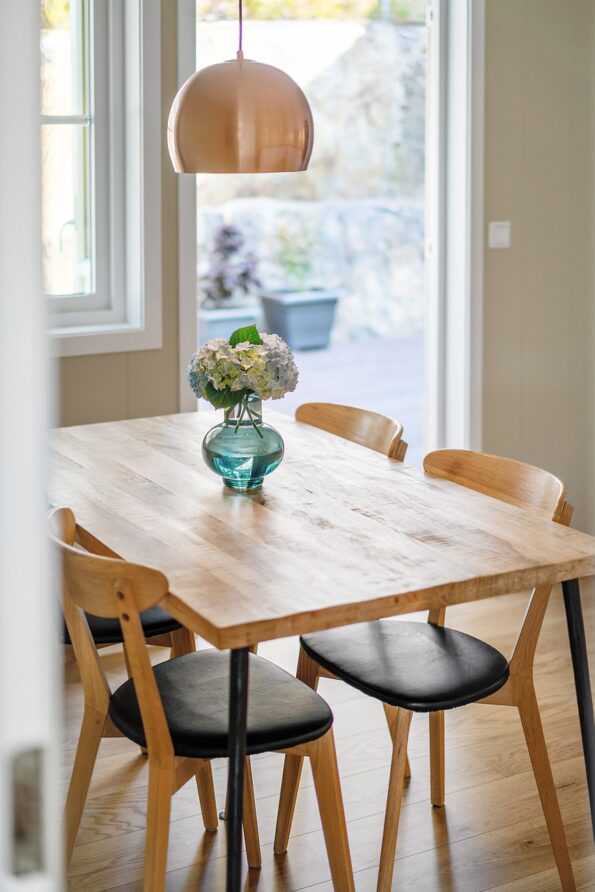
The material of your Dining Table for a Traditional Home plays a vital role in how well it fits into your traditional home. Here are some common materials to consider:
- Solid wood: Solid wood dining tables and examples of traditional design. Woods like mahogany, oak, cherry and walnut are popular choices for their durability, rich tones and timeless appeal. These tiles can be carved into intricate patterns that match classical details found in traditional homes.
- Marble: If you want to add some luxury to your dining room, a marble dining table can be the perfect fit. The marble is beautiful and sophisticated and pairs beautifully with the wooden supports. However, it’s important to note that marble has larger pores than wood and may require more maintenance.
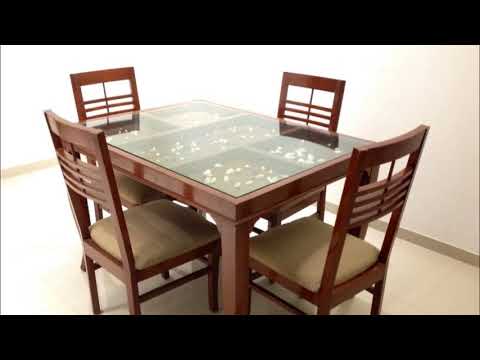
- Glass: While glass is often associated with modern design, it can work in a more traditional setting when paired with the right base, such as glazed doors with dark wood paneling or wrought iron can provide beautifully balanced wood and striking metal base otherwise ‘t does not overpower the traditional feel of the room .
- Metal: Metal tables or those with metal accents can add a touch of classic elegance when designed with ornate patterns or in combination with wood. Wrought iron is particularly effective in traditional homes, offering a strong, durable option that can be styled to fit the décor.
3. Size and Scale Considerations

The size of your Dining Table for a Traditional Home should be proportional to the room. A table that’s too large will make the space feel cramped, while one that’s too small will look lost in a larger room. Here’s how to determine the right size:
- Large Room: Measure your dining space before you buy a table. Make sure the edge of the table is at least 36 inches (91 cm) away from the wall or other furniture for easy access. For a traditional home with small kitchens, a round or round dining table can save space while still providing plenty of seating.
- Seating capacity: Consider the number of people who will need permanent accommodation. A typical rectangular dining table for a traditional home typically seats four to eight people, while larger tables can accommodate a dozen or more. When hosting larger events, expandable dining tables can be ideal for a traditional home, offering flexibility for small and large groups alike.
- Height: The standard dining table height is 28 to 30 inches (71-76 cm). Make sure your chairs match the dining table for the height of the antique house, to provide enough legroom for comfortable seating.
4. Style and Design
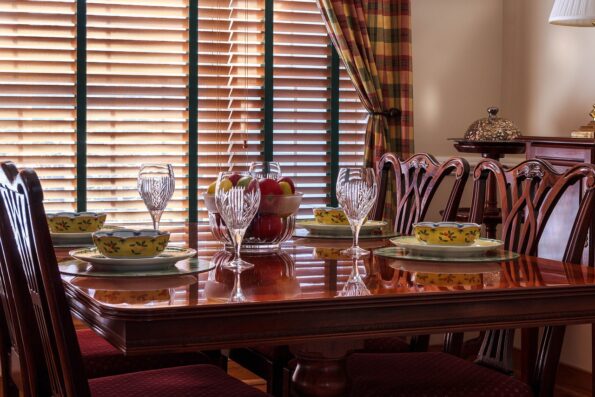
Traditional homes often feature specific stylistic elements, so your Dining Table for a Traditional Home should reflect these. Some popular traditional styles include:
- Queen Anne: This style is characterized by cabriole legs, which curve outward at the top and inward at the bottom, and pad feet. Queen Anne tables are typically crafted from dark woods like mahogany and often feature ornate details.
- Chippendale: Named after the famous 18th-century cabinetmaker Thomas Chippendale, this style is known for its elaborate carvings, ball-and-claw feet, and elegant lines. Chippendale tables are perfect for homes with a formal dining room.
- Colonial: Colonial-style dining tables are simpler than Queen Anne or Chippendale but still maintain a traditional feel. They often have straight, turned legs and are made from durable woods like oak or maple.
- Victorian: Victorian-style tables are ornate and grand, often featuring intricate carvings, rich wood tones, and large, imposing bases. These tables are best suited to larger dining rooms where they can be a focal point.
- Farmhouse: While slightly more rustic, farmhouse-style tables can still fit into a traditional home. Look for tables made from reclaimed wood with a weathered finish, or those with a classic trestle base. The farmhouse style adds warmth and a touch of informality to a Dining Table for a Traditional Home.
5. Consider the Table Shape

The shape of your Dining Table for a Traditional Home can influence how well it fits into your traditional home and how functional it will be for your needs:
- Rectangular: The most common shape, rectangular tables, are ideal for longer rooms. They can accommodate more people and often have leaves that extend the table’s length.
- Round: Round tables are perfect for smaller dining rooms or spaces where you want to create a more intimate dining experience. They encourage conversation and can be more space-efficient.
- Oval: Oval tables offer the best of both worlds, providing the length of a rectangular table with the softer edges of a round table. This shape works well in both small and large dining rooms.
- Square: Square tables are ideal for square rooms and create a sense of symmetry. They work well in smaller spaces or open-plan areas where you want the dining table to be the focal point.
6. Finish and Colour Choices
The finish of your Dining Table for a Traditional Home should complement the existing furniture and décor in your traditional home. Here are some tips:
- Dark Finishes: Dark wood finishes like mahogany, walnut, and cherry are quintessential in traditional dining tables. They add a sense of formality and richness to the room. These finishes work well with classic dining chairs upholstered in luxurious fabrics.
- Light Finishes: While less common in traditional homes, light wood finishes like oak or maple can work if paired with the right elements. A distressed or weathered finish can give a rustic or farmhouse-style table a more traditional feel.
- Painted Finishes: Painted dining tables, especially in muted tones like cream, sage, or gray, can add a touch of elegance to a traditional home. This option works well if you want to introduce a subtle colour contrast in your Dining Table for a Traditional Home.
- Glossy vs. Matte: The choice between a glossy or matte finish depends on the look you’re going for. Glossy finishes add a formal, polished appearance, while matte finishes offer a more understated, natural look.
7. Complementary Seating
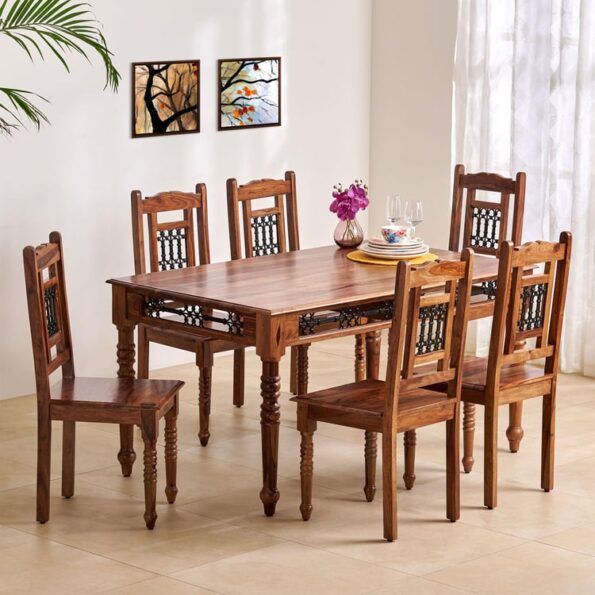
The chairs you choose to pair with your Dining Table for a Traditional Home are just as important as the table itself. In a traditional home, dining chairs should be both comfortable and stylish, complementing the table and the room’s décor:
- Upholstered Chairs: Upholstered chairs in rich fabrics like velvet, brocade, or leather add a luxurious touch to traditional dining rooms. Consider chairs with high backs and elegant detailing like tufting or nail head trim.
- Wooden Chairs: Wooden chairs, especially those with carved details, are a natural fit for traditional dining tables. Look for chairs with classic shapes and finishes that match or complement your Dining Table for a Traditional Home.
- Mix and Match: For a more eclectic traditional look, consider mixing different chair styles around the table. For example, you could pair upholstered end chairs with wooden side chairs, creating visual interest while maintaining a cohesive design.
8. Consider the Practicality
While aesthetics are important, practicality should not be overlooked. Think about your lifestyle and how the Dining Table for a Traditional Home will be used:
- Durability: Choose a table made from durable materials that can withstand daily use. Solid wood tables are a great choice for longevity, while marble or glass may require more maintenance.
- Maintenance: Consider how easy it is to clean and maintain the table. For example, dark wood finishes may show scratches more easily, while marble tops can be prone to stains.
- Versatility: If you frequently host large gatherings, consider an extendable table that can be adjusted to accommodate more guests.
- Comfort: Ensure that the height and size of the table provide comfortable seating for all users. The Dining Table for a Traditional Home should offer enough legroom and space for diners to eat comfortably.
9. Budget Considerations
Finally, it’s essential to consider your budget. While a Dining Table for a Traditional Home can be an investment, there are options available at various price points.
- Custom tables: If your budget is larger, consider investing in custom dining tables. This system allows you to choose the right materials, sizes, and shapes that fit your traditional home perfectly.
- Antique Table: An antique dining table can add character and history to your home. However, they may need to be restored or repaired, which can increase costs.
- Ready-made tables: Ready-made dining tables can be found in a wide range of prices, from inexpensive options at furniture stores to elaborate designs from high-end retailers on.