
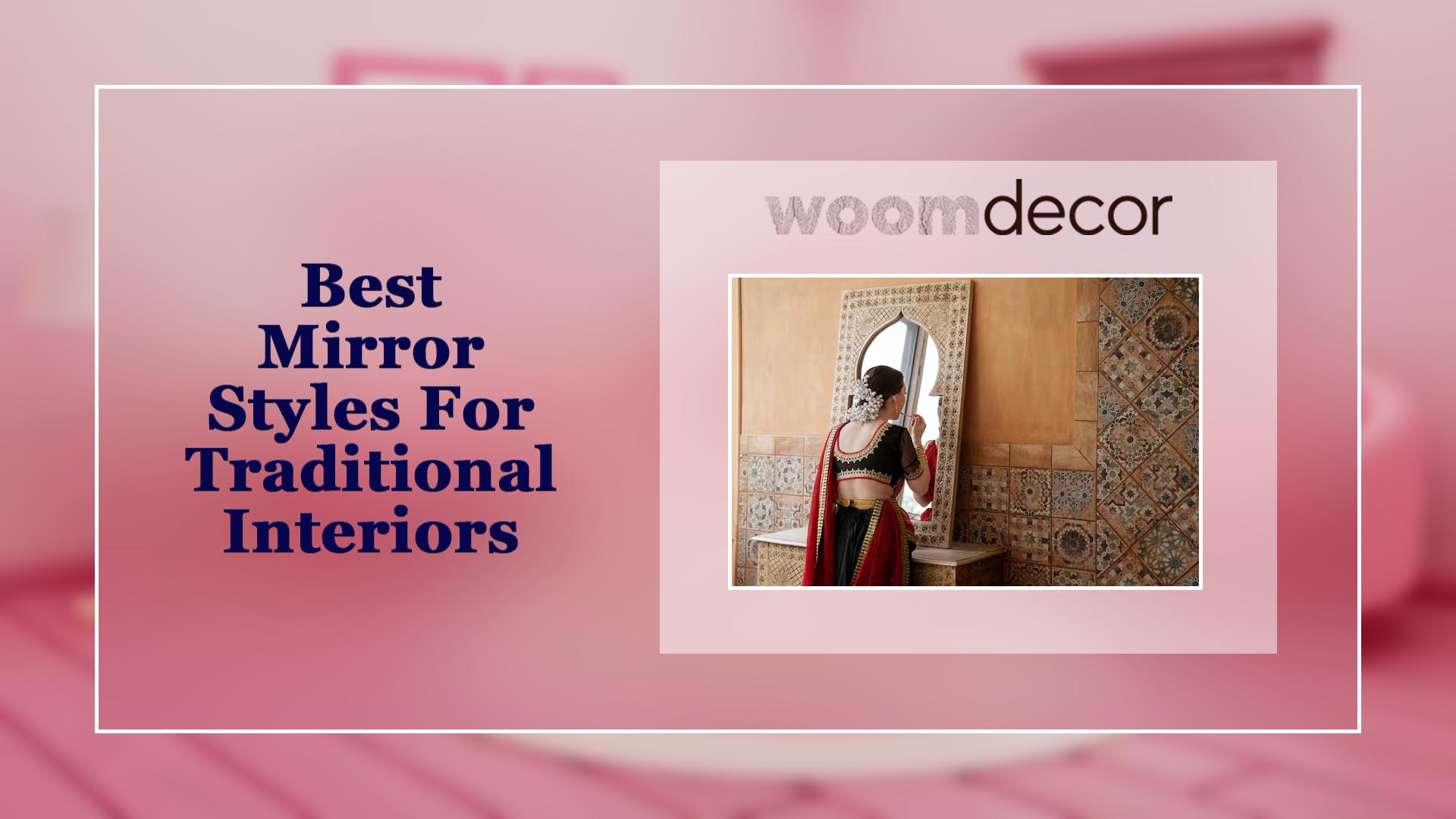
Traditional interior design is a timeless style that embraces elegance, craftsmanship, and historical influences. Whether you are designing a classic Victorian home, a colonial-style residence, or a rustic farmhouse, mirrors play a vital role in enhancing the aesthetic appeal of traditional interiors. Mirrors are not just functional accessories; they add depth, reflect light, and contribute to the overall ambiance of the room. Choosing the right mirror style for a traditional setting requires a keen eye for detail, appreciation for intricate designs, and an understanding of the various types of mirrors available.
In this extensive guide, we will explore the best mirror styles that complement traditional interiors, covering everything from antique mirrors to gilded frames, oval designs, and oversized statement pieces. We will also discuss placement strategies, maintenance tips, and how mirrors can be used to create an illusion of space while maintaining the warm and classic charm of traditional homes.
1. The Timeless Beauty of Antique Mirrors
Antique mirrors are an essential element in traditional interior design. These mirrors exude old-world charm, making them perfect for adding historical depth to your home décor. Authentic antique mirrors are often passed down through generations, carrying stories of the past while adding character to a space.
Characteristics of Antique Mirrors
- Aged Glass: Over time, antique mirrors develop a patina or slight cloudiness, giving them a distinctive look.
- Intricate Frames: Many antique mirrors feature elaborate wooden or metal frames with carvings, engravings, and ornate details.
- Handcrafted Designs: Unlike modern mass-produced mirrors, antique mirrors were often handcrafted by skilled artisans.
- Distressed Finish: Some antique mirrors may have a distressed or weathered finish, adding to their vintage appeal.
Where to Use Antique Mirrors
- Above a fireplace mantel for a classic centerpiece
- In an entryway to create a grand first impression
- As a decorative accent in a dining room to reflect candlelight and chandeliers
- In a bedroom to add an old-world romantic touch
Antique mirrors are highly sought after and can be found in vintage stores, auctions, and specialized décor shops. If you love the antique aesthetic but cannot find an original piece, consider purchasing a high-quality reproduction with a distressed finish.
2. Gilded Gold and Silver Frame Mirrors
Gilded frame mirrors are synonymous with traditional elegance. These mirrors feature frames covered in gold or silver leaf, making them luxurious and regal. Popular in palatial homes, French chateaus, and stately mansions, gilded mirrors are a timeless addition to traditional interiors.
Types of Gilded Mirrors
- Baroque Gilded Mirrors: Extravagant, heavily adorned with scrollwork, floral motifs, and cherubs.
- Rococo Style Mirrors: Curved, asymmetrical, and delicately decorated with nature-inspired elements.
- Neoclassical Gilded Mirrors: More structured with symmetrical designs, often featuring Greco-Roman influences.
Best Placements for Gilded Mirrors
- Above a luxurious console table in the hallway
- As a statement piece in a formal living room
- In the dining area to reflect the glow of a chandelier
- Paired with antique furniture for a cohesive traditional look
Gilded mirrors can also be used in pairs to create symmetry, such as placing one on each side of a fireplace or bed.
3. Ornate Carved Wooden Frame Mirrors
Wood-carved mirrors are a staple in traditional interiors, especially in styles such as Colonial, Victorian, and Farmhouse. The natural texture and intricate craftsmanship of wooden frames add warmth and sophistication to any room.
Popular Wood Types for Traditional Mirror Styles Frames
- Mahogany: Dark, rich, and elegant, ideal for formal spaces.
- Walnut: A classic choice with deep brown hues and natural grain patterns.
- Oak: Lighter in tone but still traditional, perfect for rustic or country homes.
- Cherry: Known for its reddish-brown tone that deepens over time.
Where to Place Ornate Wooden Mirrors
- In a study or library to complement vintage bookshelves
- In the bedroom above a wooden dresser for a harmonious look
- In the hallway to add a sense of grandeur
- In a rustic farmhouse setting above a sideboard
Wood-framed mirrors can be hand-carved with intricate details, featuring floral patterns, scrolls, or even custom monograms for a personalized touch.
4. Classic Oval and Round Mirrors
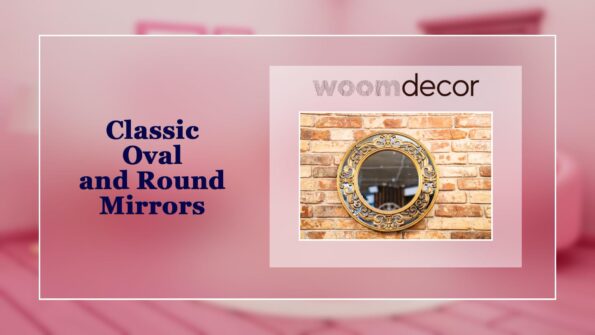
Oval and round mirrors bring a softer, more fluid aesthetic to traditional interiors. These mirrors work beautifully in spaces where curved furniture, arched windows, and intricate details are present.
Benefits of Oval and Round Mirrors in Traditional Design
- Softens sharp lines: If your furniture and architectural elements are mostly rectangular, round mirrors create balance.
- Enhances symmetry: Placing an oval mirror between two sconces creates an elegant focal point.
- Vintage appeal: Many antique oval mirrors come with intricate metal or wooden frames.
Best Uses for Oval and Round Mirrors
- As a vanity mirror in a classic bathroom
- Above a vintage-inspired dresser in a bedroom
- In an entryway with a console table for a graceful welcome
- Paired with vintage artwork in a hallway
Round mirrors also work well in groupings, creating an artistic arrangement on the wall.
5. Grand Oversized Mirrors for Statement Décor
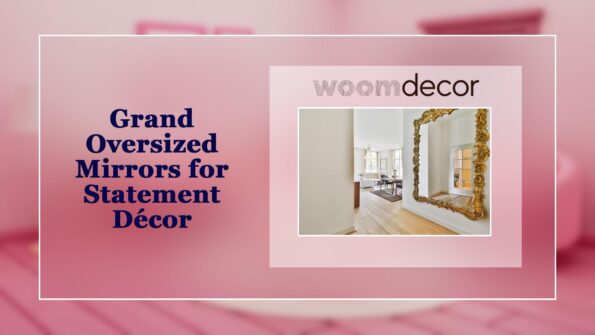
Oversized mirrors are an excellent way to make a bold statement while maintaining traditional elegance. These mirrors, often full-length or large rectangular pieces, can make a room appear larger and brighter.
Why Choose an Oversized Mirror?
- Creates an illusion of space: Perfect for small rooms with limited natural light.
- Adds depth and grandeur: Large mirrors make any space feel more luxurious.
- Reflects beautiful elements: A well-placed oversized mirror can highlight chandeliers, antique furniture, or decorative ceilings.
Best Spots for Oversized Mirrors
- Leaning against a wall in a classic dressing room
- Hung in a dining room to reflect an ornate chandelier
- Placed in a hallway to elongate the space visually
- In a traditional living room to enhance architectural details
Oversized mirrors with intricate wooden, gilded, or carved frames blend seamlessly into traditional interiors, making them a must-have for elegant homes.
6. Venetian Mirrors for Classic Sophistication
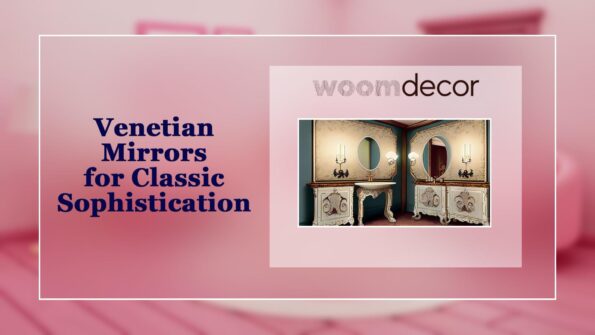
Venetian mirrors are unique, with their elaborate glass etchings, beveled edges, and exquisite detailing. Originating from Italy, these mirrors exude luxury and refinement.
Defining Features of Venetian Mirrors
- Etched or engraved glass: Decorative patterns are cut into the mirror surface.
- Beveled edges: Smooth, slanted edges give depth and dimension.
- Intricate floral and scroll motifs: Adds a delicate and artistic touch.
Where to Use Venetian Mirrors
- Above a vintage console table in an entryway
- As a decorative element in a romantic bedroom
- In a powder room for an elegant atmosphere
- Paired with vintage sconces for a sophisticated look
Venetian mirrors blend seamlessly with classic European-inspired interiors, bringing opulence to any space.
7. Georgian Mirrors
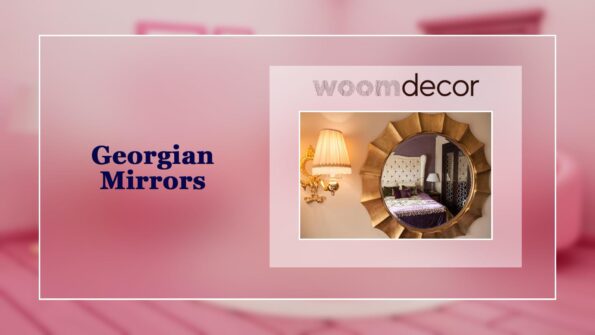
Georgian-style mirrors are known for their symmetry, refinement, and understated elegance. These mirrors often feature wooden frames with hand-carved detailing, mahogany finishes, and classical pediments. Georgian mirrors work exceptionally well in formal living rooms, dining rooms, and grand hallways, adding an element of sophistication without being overly ostentatious.
Why Choose Georgian Mirrors?
- Enhances the classical elegance of a traditional home.
- Pairs well with antique furniture and heritage interiors.
- Provides timeless beauty with a focus on craftsmanship.
8. Rococo Mirrors
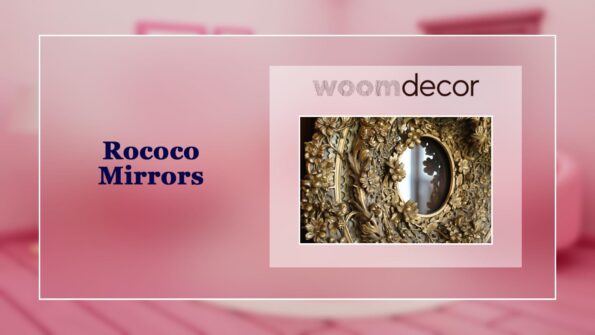
Rococo mirrors evolved from the Baroque style but with a more delicate and playful aesthetic. These mirrors typically feature asymmetrical designs, curving frames, and pastel-coloured accents. Rococo mirrors often include elements like shell motifs, floral embellishments, and light gilding, making them perfect for French-inspired traditional interiors.
Why Choose Rococo Mirrors?
- Softens the overall look of a space with its elegant curves.
- Works beautifully in traditional interiors with a French or vintage influence.
- Adds a touch of whimsical charm and sophistication.
Q1. What is the best type of mirror for a traditional interior?
Q2. How can mirrors enhance a traditional interior?
Q3. What frame material should I choose for traditional interiors?
Q4. Can round or oval mirrors work in traditional interiors?
Q5. Are antique mirrors suitable for traditional interiors?
Q6. Should I choose a decorative or simple frame for my traditional space?
Q7. Can mirrors be used as a focal point in a traditional room?
Q8. Where should I place mirrors in a traditional interior to create balance?
Q9. How can I match my mirror with other traditional furniture pieces?
Q10. What styles of mirrors are ideal for a traditional living room?
Q11. How do I care for antique mirrors in traditional settings?
Q12. Can mirrors help enhance the lighting in a traditional interiors room?
These detailed answers should provide a comprehensive understanding of the best mirror styles for traditional interiors and how they can elevate the overall design of a room.