
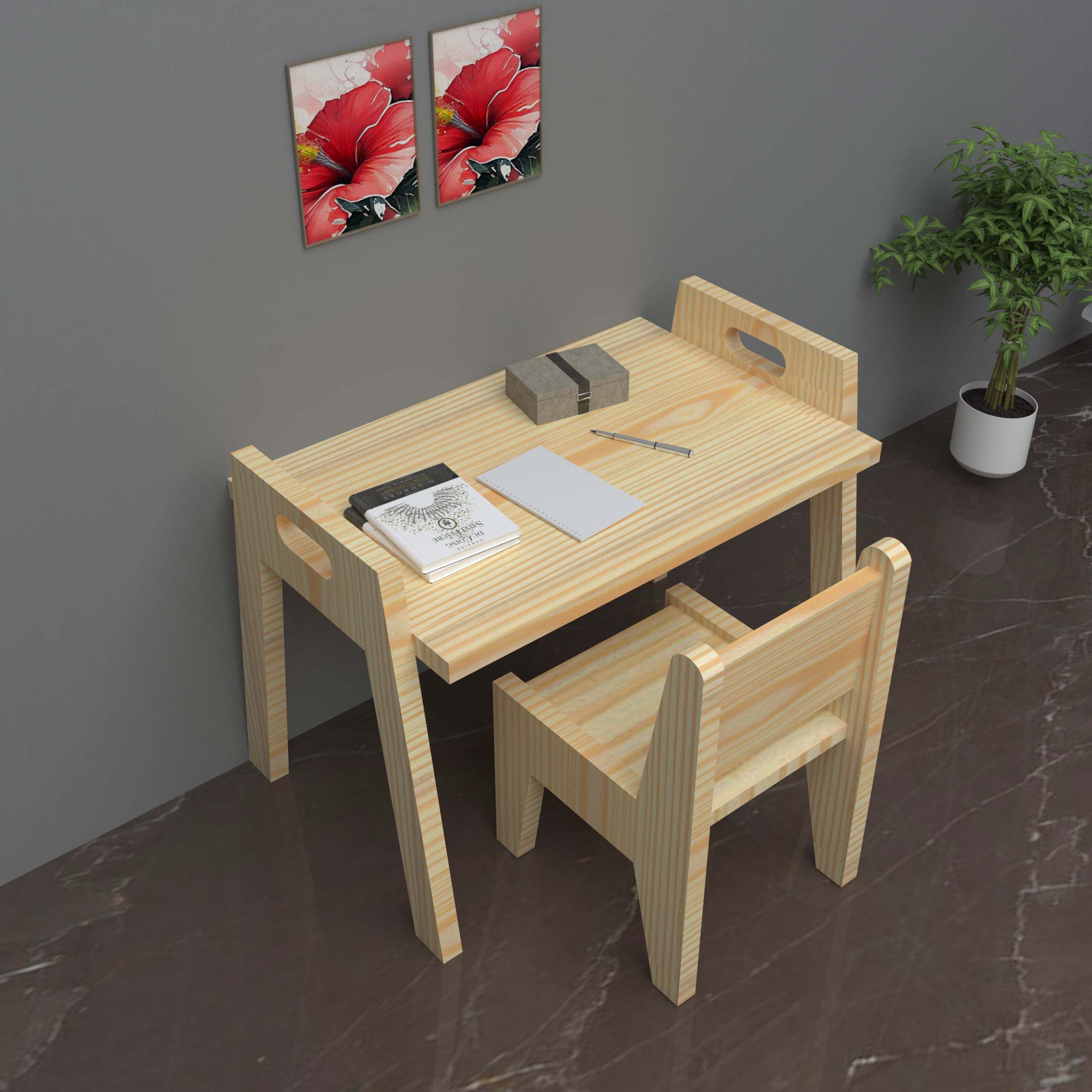
A thoughtfully selected study table is not merely a piece of furniture; it serves as a cornerstone for productivity, comfort, and sustained academic achievement. Regardless of whether you’re organizing a study space for a child, a teenager, or an adult, it’s crucial to take multiple factors into account when choosing a study table. In this blog, we will walk you through the key considerations for selecting the ideal study table.
1. Space Availability and Room Layout

The first step when selecting a study table is evaluating the available space and room layout. Consider the size of the room and where the table will be placed. Measure the area to ensure the table fits comfortably without crowding the room. selecting a study table for smaller rooms, consider compact designs or corner study tables that make efficient use of space. In larger rooms, you have the flexibility to choose a bigger table that offers more surface area.
2. Purpose and Usage

Recognizing the main purpose behind choosing a study table is crucial. Will it be for a child utilizing it for homework and artistic endeavours? Or perhaps for a college student who needs sufficient space for a laptop and textbooks? Alternatively, it could be for a professional requiring a dedicated workspace for a home office. The intended function will affect the table’s dimensions, style, and functionalities. For students with numerous books and supplies, opting for a table with generous storage is advisable, whereas a sleek, minimalist design might be more appropriate for a professional who values a tidy workspace.
3. Ergonomics and Comfort
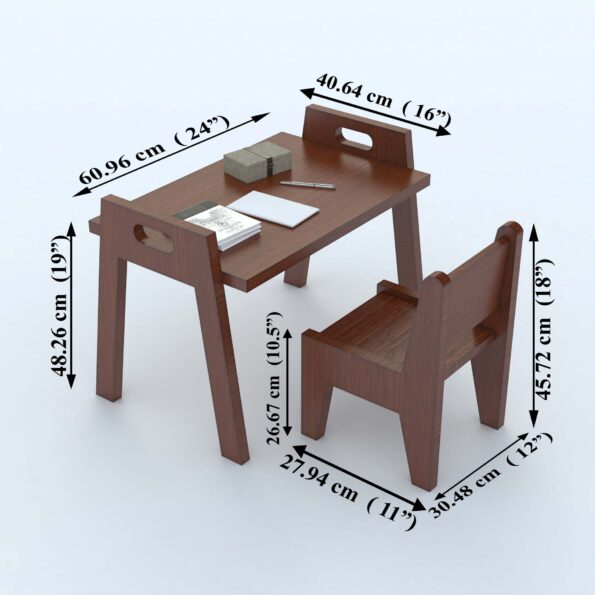
Comfort is key to maintaining focus and productivity during study or work sessions. An ergonomically designed table is crucial when selecting a study table to ensure that the user maintains a healthy posture, reducing the risk of strain and injury. The table should be at a height that allows the user to sit with their feet flat on the ground, with their elbows at a 90-degree angle when typing or writing. selecting a study table, ensure that the chair used with it offers good lumbar support and is adjustable to accommodate different users.
4. Material and Durability

The material of the table is a significant consideration when selecting a study table as it affects both its durability and aesthetic appeal. Common materials include wood, metal, and engineered wood (such as MDF or particleboard). Solid wood tables are sturdy and long-lasting, offering a classic look that suits various interiors. selecting a study table, consider metal tables for their lightweight, modern design. Engineered wood tables are budget-friendly and come in various finishes but may not be as durable as solid wood. selecting a study table, consider the table’s expected lifespan and how it will fit into the room’s overall design.
5. Storage Options
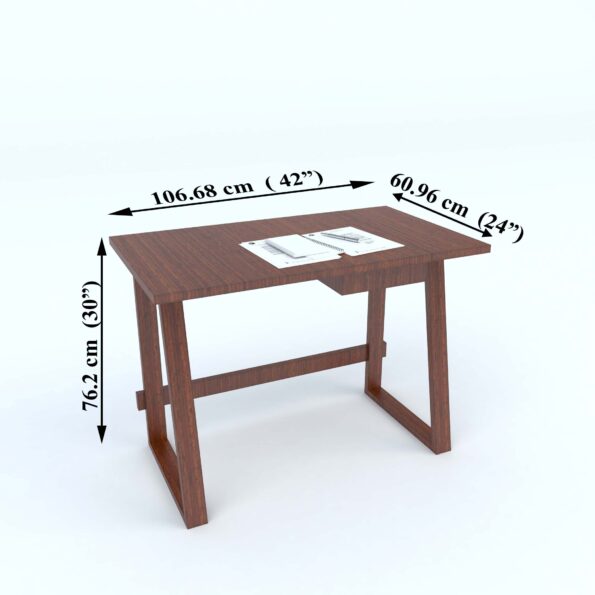
Adequate storage is essential for keeping a study area organized and clutter-free. selecting a study table, look for ones with built-in drawers, shelves, and cabinets that offer convenient storage for books, stationery, and other essentials. For students, having easy access to supplies can streamline their study process and reduce distractions. When selecting a study table for professionals, organized storage can help maintain a tidy workspace.
6. Design and Aesthetics
The design of the table should complement the room’s overall décor when selecting a study table. Whether you lean towards a contemporary, minimalist aesthetic or a timeless, classic style, a study table should elevate the visual charm of your space. When choosing a study table, take into account its colour, shape, and design. It’s also important to consider how the table will complement the other furnishings in the area. Keep in mind that a thoughtfully designed table can serve as a centrepiece in the room, providing both functionality and elegance.
7. Size and Proportions
The size of the table is another crucial factor when selecting a study table. The table needs to be spacious enough to meet the user’s requirements without causing the area to feel cramped. When selecting a study table for children, a smaller table that suits their height and reach is ideal, while adults may require a larger table to hold a computer, books, and other materials. Additionally, consider the proportions of the table in relation to the room when selecting a study table.
8. Mobility and Flexibility
In today’s dynamic living space, the ability to move and rearrange furniture is critical when choosing a study desk. When choosing a study desk, consider whether you need a desk that is easy to move or adjust. Doors on wheels or lightweight doors offer a lot of flexibility, allowing you to change the layout of the room as needed. This is especially useful when selecting a study table for homes with limited space or in shared rooms where the study area may need to be reconfigured regularly.
9. Lighting Considerations
Good lighting is essential for any study area, so consider the lighting conditions when selecting a study table. Ideally, the table should be placed near a window to take advantage of natural light, which reduces eye strain and creates a pleasant working environment. When selecting a study table, ensure that the table is positioned under adequate artificial lighting if natural light is limited. Consider investing in a desk lamp that provides focused, adjustable light when selecting a study table to further enhance the study area.
10. Customization and Add-Ons
Some tables offer customization options and add-ons that can enhance their functionality when selecting a study table. For example, adjustable height tables allow users to change the table’s height to suit different tasks or users. When selecting a study table, tables with cable management systems can help keep cords and cables organized, reducing clutter and improving safety. Additionally, consider tables that come with add-on accessories such as keyboard trays, monitor stands, or built-in power outlets when selecting a study table, making it more versatile and convenient.
11. Budget and Cost Considerations
Budget is always an important consideration when selecting a study table. Study tables come in a wide range of prices, from budget-friendly options to high-end designer pieces. When selecting a study table, it’s important to set a budget before you start shopping and stick to it. While it may be tempting to choose the cheapest option, remember that a study table is an investment in productivity and comfort. When selecting a study table, consider the table’s quality, durability, and features when evaluating its value for money.
12. Environmental Impact
As sustainability becomes an increasingly important consideration when selecting a study table, it’s worth thinking about the environmental impact of your study table. Look for tables made from sustainably sourced materials, such as FSC-certified wood or recycled metal when selecting a study table. Additionally, consider the table’s manufacturing process and whether it was produced in an environmentally friendly manner. When selecting a study table, by choosing an eco-friendly option, you can reduce your environmental footprint while creating a healthy, sustainable workspace.
13. Brand Reputation and Reviews
Before making a final decision when selecting a study table, it’s a good idea to research the brand and read reviews from other customers. A well-known brand with a reputation for quality and customer service is often a safer choice when selecting a study table. Customer reviews can provide valuable insights into the table’s durability, ease of assembly, and overall satisfaction when selecting a study table.
14. Assembly and Maintenance
Some study tables require assembly, while others come pre-assembled. When selecting a study table, if you’re not handy with tools or prefer convenience, you may want to choose a table that’s easy to assemble or comes with professional assembly services. Additionally, consider the table’s maintenance requirements when selecting a study table.
15. Personal Preference and Style
Finally, don’t forget to consider your personal preference and style when selecting a study table. But this is a piece of furniture that you will use forever, so it should reflect your taste, make you feel comfortable when choosing a study desk and whether you want an elegant desk, a modern desk or a traditional wooden desk, choose a study table that resonates with you and inspires you to work or study effectively when selecting a study table.