
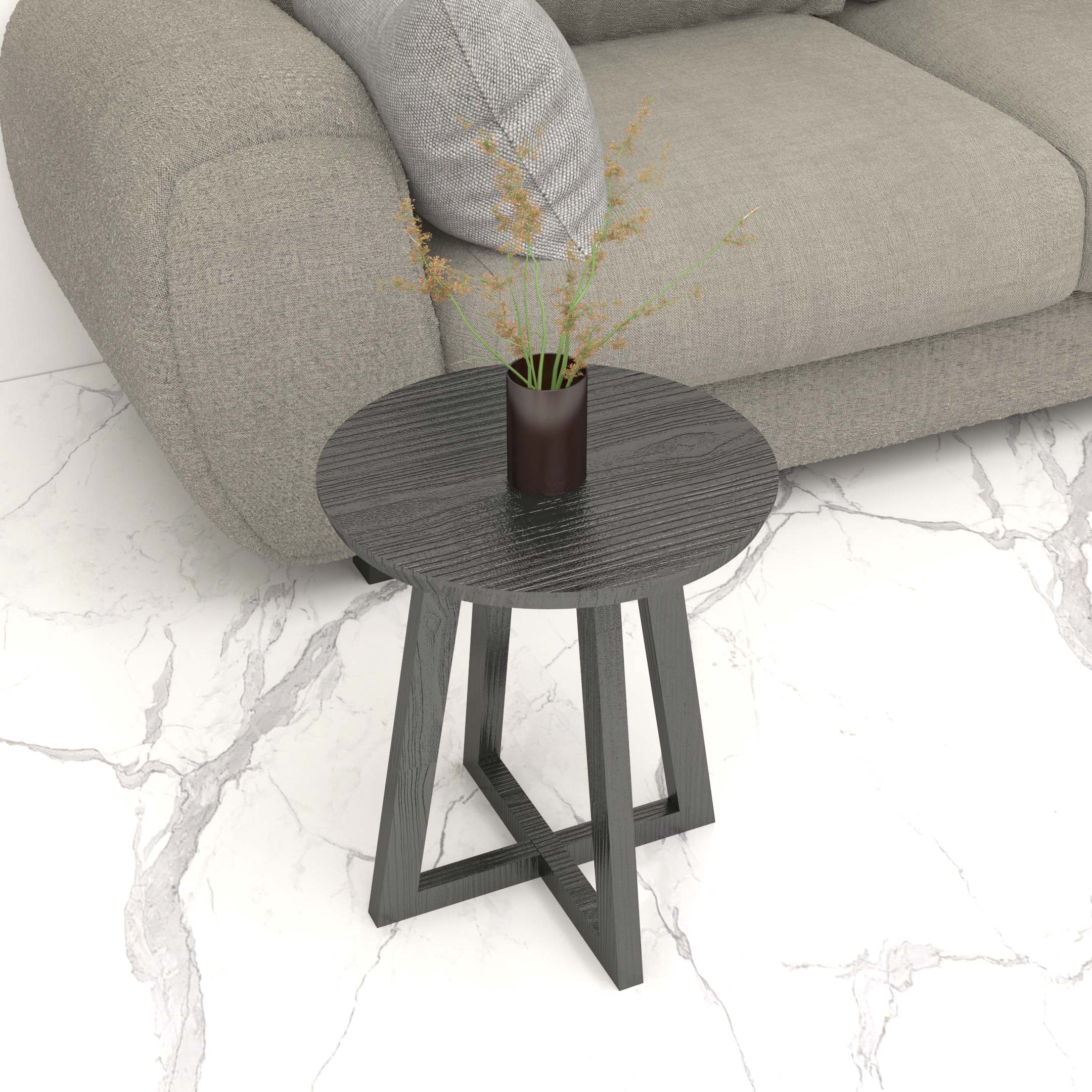
Creating a harmonious and visually stunning room hinges on achieving a sense of balance in the design. Although larger items such as sofas, beds, and dining tables tend to garner more focus, side tables are essential for establishing a well-rounded room layout. These multifunctional elements provide practicality while greatly enhancing the aesthetics and equilibrium of the space. In this blog, we’ll delve into how incorporating side tables into your room layout can elevate various areas in your home.
1. Understanding Balance in Interior Design
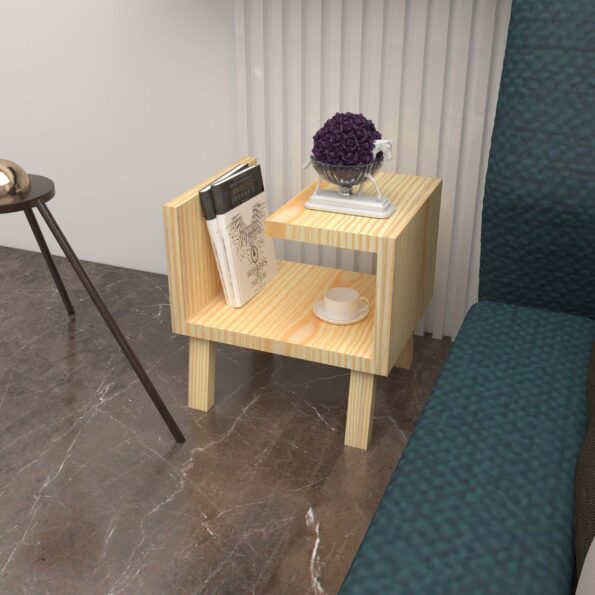
Before diving into the specifics of side tables to create a balanced room layout, it’s essential to understand what balance means in interior design. Balance pertains to the way visual weight is allocated within a space. Factors that contribute to visual weight include size, colour, texture, and the arrangement of objects. It is important to recognize three different types of balance:
- Symmetrical Balance: This occurs when items are reflected on both sides of a central axis, resulting in an impression of organization and formality.
- Asymmetrical Balance: This balance type features various objects exhibiting comparable visual weights, positioned in a manner that creates harmony. It tends to be more dynamic and is commonly utilized in contemporary interior design.
- Radial Balance: This occurs when elements are positioned around a central focal point, akin to a circular dining table with chairs evenly distributed around it.
Understanding these types of balance will help you in side tables to create a balanced room layout effectively.
2. The Role of Side Tables in Room Layout
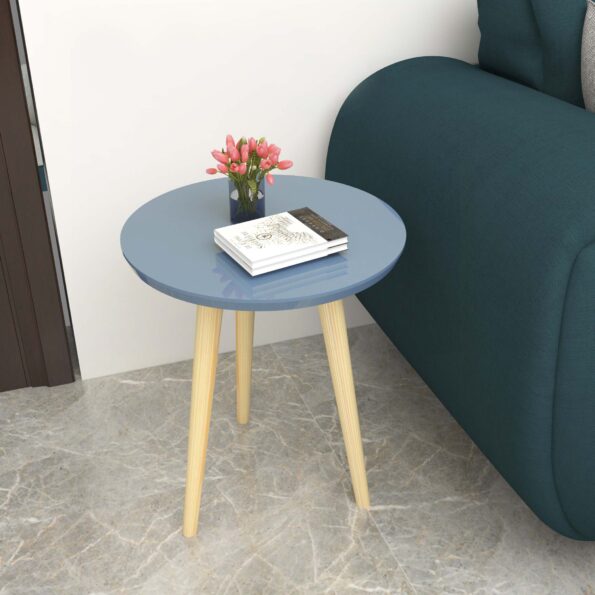
Incorporating side tables for a harmonious room layout goes beyond merely providing practical surfaces for your coffee cup or remote control. These pieces serve as design elements that impact the equilibrium and movement within a space. Here’s how side tables contribute to the overall aesthetic of the room:
- Proportionality: Side tables contribute to the overall balance of a room. For example, a large sofa alongside a petite side table may appear unbalanced, whereas two side tables that are suitably sized can enhance visual harmony.
- Symmetry and Asymmetry: Depending on your design preference, side tables to create a balanced room layout can achieve either symmetrical or asymmetrical balance. Matching side tables on either side of a bed or sofa can create symmetry, while different styles or heights can introduce asymmetry.
- Key Considerations: Side tables can help establish a harmonious room design while directing focus to particular spots, such as an inviting reading corner or a standout chair. Additionally, they can enhance other focal elements within the space, such as a fireplace or pieces of art.
- Functionality: Beyond aesthetics, side tables to create a balanced room layout adds functionality by providing convenient surfaces for everyday items, adding to the room’s overall usability.
3. Choosing the Right Side Tables
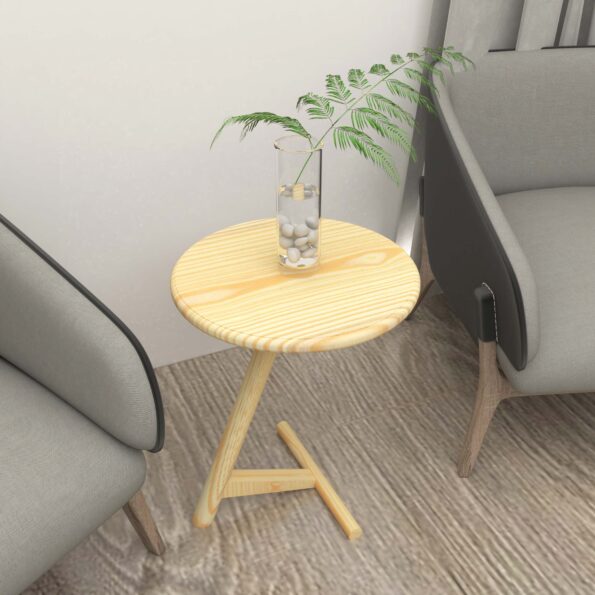
When selecting side tables for your space, consider the following factors to ensure they contribute to side tables to create a balanced room layout:
- Size and Scale: The size of your side table should be proportional to the furniture it accompanies. A general rule of thumb when side tables to create a balanced room layout is that the height of the side table should be roughly the same as the arm of the sofa or chair next to it.
- Material and Finish: The material and finish of a side table can either complement or contrast with the rest of the room’s décor. For example, wooden side tables may add warmth to a space, while metal or glass tables can introduce a modern, sleek look. Side tables to create a balanced room layout involves choosing materials that either blend with or intentionally contrast with other elements in the room.
- Shape: The configuration of your side table is crucial for achieving a harmonious room layout. Round tables can soften the room’s contours and complement environments filled with angular furniture, whereas square or rectangular tables enhance a more structured and formal appearance.
- Colour: Your side tables should be selected based on the room’s colour scheme. Neutral hues can seamlessly integrate into the design, while vibrant colours can stand out and capture attention. Thoughtful colour selections can significantly contribute to a balanced room layout.
- Style: Take into account the overall design theme of your room when choosing side tables for a balanced layout. Whether your space leans towards contemporary, traditional, rustic, or eclectic, the side tables should either reflect or complement this style to ensure a cohesive aesthetic.
4. Creating Balance in Different Rooms
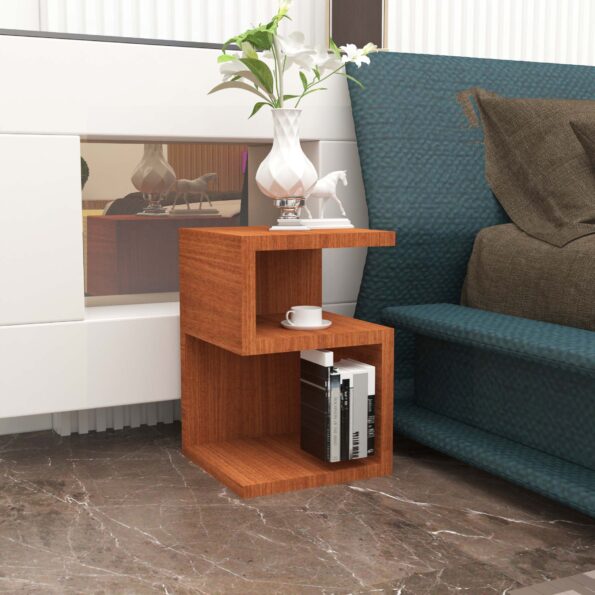
Let’s explore how side tables to create a balanced room layout can be applied in various spaces in your home:
Living Room
The living room is often the heart of the home, where balance is crucial for both comfort and style. Here’s how side tables to create a balanced room layout can be effective:
- Flanking the Sofa: Place matching side tables on either side of the sofa to create symmetrical balance. This works especially well in traditional or formal living rooms. Add matching lamps on each table to enhance the symmetry, further emphasizing the importance of side tables to create a balanced room layout.
- Mixing Styles: For a more eclectic or contemporary look, consider side tables to create a balanced room layout by mixing different styles or heights on either side of the sofa. To maintain balance, ensure they have a similar visual weight, perhaps through similar materials or colours.
- Creating a Conversation Area: In larger living rooms, side tables to create a balanced room layout can anchor conversation areas. Place a side table between two chairs to create a cozy spot for conversation, ensuring the table is easily accessible from both seats.
Bedroom
In the bedroom, side tables, often referred to as nightstands, are essential for functionality and balance. Here’s how side tables to create a balanced room layout can enhance this space:
- Symmetry with Nightstands: For a balanced and serene bedroom layout, place identical nightstands on either side of the bed. This creates a sense of order and harmony, especially when paired with matching lamps or décor. Side tables to create a balanced room layout is key to achieving a restful environment.
- Asymmetrical Balance: If you prefer a more relaxed or unique look, consider side tables to create a balanced room layout by using different nightstands on each side of the bed. One side might have a small table and the other a larger chest or dresser. Balance the visual weight with similar colours, textures, or accessories.
- Multifunctional Side Tables: In smaller bedrooms, side tables to create a balanced room layout might involve side tables that double as storage or a desk. This not only saves space but also adds to the room’s functionality while maintaining balance.
Dining Room
While side tables are less common in dining rooms, they can still play a role in side tables to create a balanced room layout:
- Buffet or Console Tables: Placing a side table or console table along one wall of the dining room can contribute to side tables to create a balanced room layout, especially if the dining table is centrally located. Use the side table to display décor or store dining essentials.
- Corner Balance: In larger dining rooms, consider side tables to create a balanced room layout by placing small side tables in the corners. These can be used to hold plants, artwork, or additional lighting.
Entryway
The entryway is the first impression of your home, and side tables to create a balanced room layout here sets the tone for the rest of the space:
- Console Tables: A console table placed against the wall is a classic way of side tables to create a balanced room layout in the entryway. Centre the table and add a mirror or artwork above it, with accessories like lamps, trays, or vases on either side.
- Pairing with Seating: If your entryway has space for seating, side tables to create a balanced room layout involves placing a side table next to a bench or chair. This provides a convenient spot for keys or mail and creates a welcoming vignette.
Home Office
In a home office, side tables to create a balanced room layout can contribute to both productivity and balance:
- Desk Companions: Place a side table next to your desk to hold a printer, files, or office supplies. This keeps your workspace organized and balanced, both functionally and visually, reinforcing the importance of side tables to create a balanced room layout.
- Reading Nooks: If your home office includes a reading or relaxation area, side tables to create a balanced room layout can balance the space. Pair it with a comfortable chair and a floor lamp for a cozy, balanced corner.
5. Styling Tips for Side Tables

Once you’ve chosen the right side tables for your space, styling them is the next step in side tables to create a balanced room layout. Here are some tips:
- Layering: Use a mix of heights and textures when styling your side table. Combine a lamp with a stack of books, a small plant, and a decorative object to create visual interest, all while side tables to create a balanced room layout.
- Odd Numbers: When arranging items on a side table, use odd numbers, like three or five, for a more dynamic and balanced look. This approach is integral to side tables to create a balanced room layout.
- Consistency: Although it’s perfectly acceptable to blend different styles, it’s important to uphold a degree of consistency in colour or material to unite the various elements. This approach guarantees that side tables help achieve a balanced room layout while contributing to a harmonious overall design.
- Functionality: Keep in mind that side tables are intended for use. Make sure there is ample space for essential items such as a drink, phone, or remote control, ensuring that side tables contribute to a balanced room layout without compromising their practicality.
01. What is the significance of balance in a room’s layout?
02. What is the role of side tables in achieving a harmonious room arrangement?
03. What types of balance can be achieved with side tables?
Symmetrical Balance: Placing matching side tables on either side of a sofa or bed for a formal, traditional look.
Asymmetrical Balance: Using different side tables that have a similar visual weight for a more dynamic, modern appearance.
Radial Balance: Arranging side tables around a central focal point, like a round coffee table, to create a cohesive flow.
04. How can I select the appropriate size for side tables to achieve balance in my room?
05. Is it acceptable to combine various styles of side tables in a single room?
06. What is the ideal way to position side tables in a compact space?
07. How do I style side tables to enhance balance in a room?
Use a mix of items with varying heights, such as lamps, books, and decorative objects.
Keep the arrangement simple and avoid clutter.
Use odd numbers of items, as it often looks more balanced.
Ensure the items complement the room’s overall design and colour scheme.
08. What materials and finishes work best for side tables in a balanced room layout?
09. Can side tables serve as focal points within a room?
10. How can I maintain functionality while achieving balance with side tables?
11. What colour choices should I consider for side tables to establish a balanced room layout?
12. Is it essential to have identical side tables in a room?
13. What impact do side tables have on the flow of a room?
14. Can side tables be multifunctional in a balanced room layout?
15. How do I maintain balance with side tables in a room with large furniture?
16. What are some common mistakes to avoid when using side tables to create a balanced room layout?
Choosing side tables that are too small or too large for the space.
Overloading side tables with too many items, which can create clutter.
Ignoring the room’s style and selecting side tables that clash with the overall design.
Placing side tables in positions that disrupt the room’s flow or accessibility.