
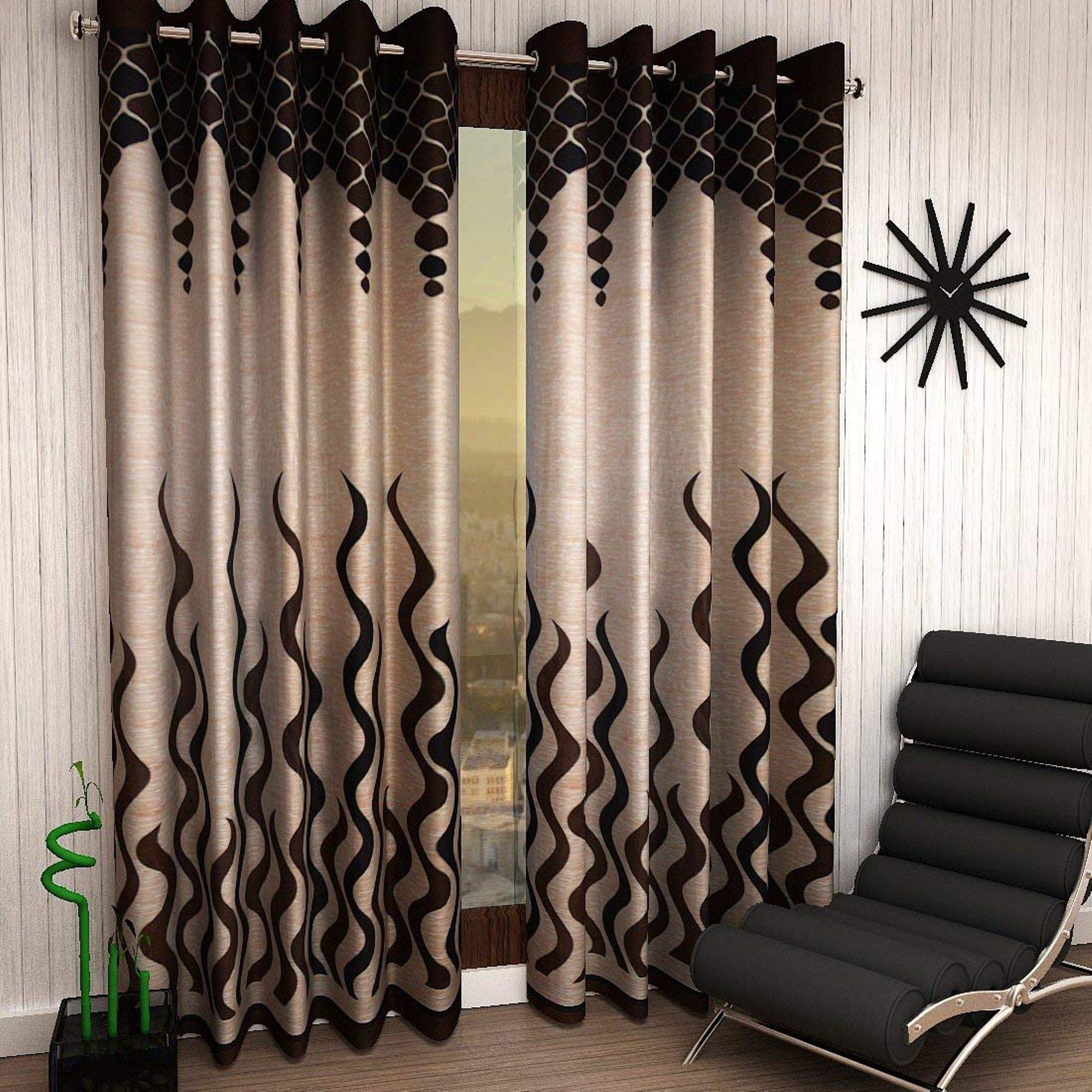
Curtains play a crucial role in home décor, providing both practical and visual advantages. They help ensure privacy, manage the influx of natural light, and elevate the overall aesthetic of your living spaces. Whether you select curtains for their utility or their visual appeal, grasping their importance in home design can assist you in crafting a more cohesive and welcoming atmosphere. This blog will delve into how curtains influence the ambiance, functionality, and design of various rooms and settings, highlighting the multifaceted role of curtains in domestic environments.
1. Aesthetic Appeal: Curtains as Decorative Accents
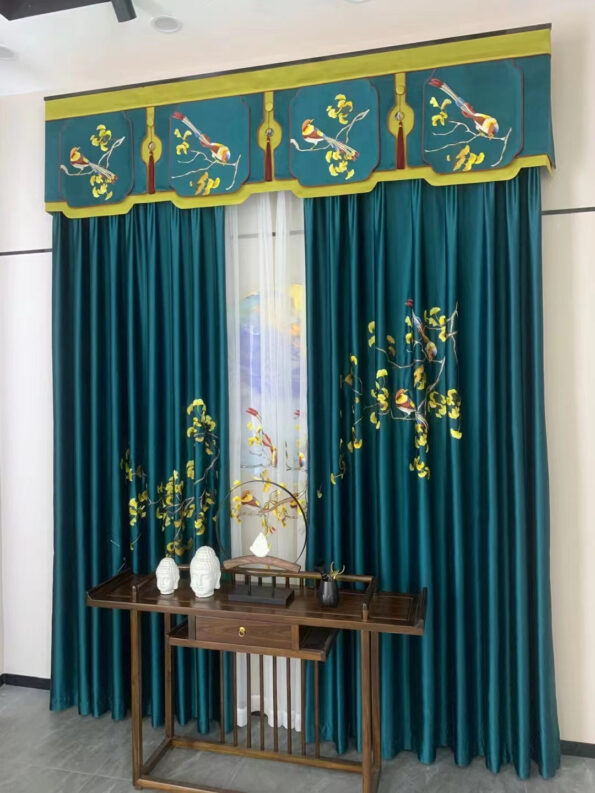
Curtains serve a crucial function in home décor as decorative elements. They enrich a room’s aesthetics by introducing texture, colour, and pattern. The impact of curtains in interior spaces can differ based on the selection of fabric, hue, and style, yet their ability to transform an environment is unmistakable. Rich fabrics, striking patterns, and lively colours can establish a central focus, highlighting the importance of curtains as a fundamental aspect of home design.
- Fabrics and Materials: The selection of fabric significantly influences the impact of curtains on home décor. For instance, opting for silk or velvet curtains imparts a luxurious ambiance, while linen or cotton tends to create a more relaxed atmosphere. By taking into account the importance of curtains in interior design, you can choose materials that harmonize with the room’s overall aesthetic.
- Colours: The colour scheme plays a vital role in determining the effect of curtains on home décor. Whether you choose soft neutrals for a seamless integration or vibrant shades to create a focal point, the function of curtains in home design should align smoothly with the room’s colour palette.
- Patterns and Designs: The influence of curtains in home décor can be significantly enhanced by incorporating various patterns and designs. Geometric or floral curtains can establish the theme of a space, illustrating that curtains serve not only a practical role but also as a powerful design statement.
2. Curtains as a Tool for Light Control
Another essential Role Of Curtains In Home environments is controlling light. Managing how much light enters a room directly affects the room’s atmosphere and comfort level. By understanding the role of curtains in home light control, you can tailor the environment to your needs.
- Blackout Curtains: Blackout curtains serve an important role of curtains in home light regulation. Especially for bedrooms or media rooms, they block light entirely, making them a vital component of the role of curtains in home settings where light control is essential.
- Sheer Curtains: Sheer curtains highlight the softer role of curtains in home light diffusion, perfect for spaces that need natural light but also desire privacy. These curtains provide an airy atmosphere, emphasizing the versatile role of curtains in home décor.
- Room Darkening Curtains: For those who want a balance, room-darkening curtains play a hybrid role of curtains in home light management, reducing sunlight without completely blocking it. This balance underlines the flexible role of curtains in home settings for different rooms.
3. Enhancing Privacy with Curtains
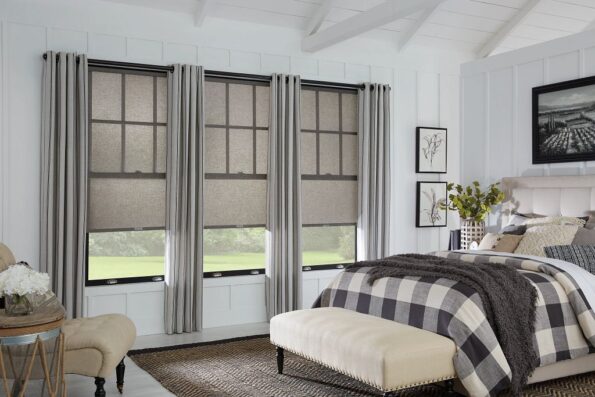
The role of curtains in home privacy management is crucial, especially in bedrooms and bathrooms. Opaque or blackout curtains serve a primary role of curtains in home privacy, while semi-sheer options work for spaces that require a mix of light and seclusion.
- Opaque Curtains: The opaque nature of some fabrics enhances the role of curtains in home privacy control. Bedrooms and private spaces benefit from these curtains, making privacy a central role of curtains in home décor planning.
- Layered Curtains: Layering curtains adds another level to the role of curtains in home privacy and light control. Using sheer curtains beneath heavier drapes gives you versatility in balancing privacy and light.
4. Setting the Mood with Curtains
The role of curtains in home décor also includes setting the room’s tone. Whether you want to create a calm, energetic, or luxurious atmosphere, the role of curtains in home mood-setting is critical.
- Relaxing Spaces: Soft, flowing curtains emphasize the role of curtains in home relaxation, perfect for bedrooms or reading nooks. Light pastels and sheer fabrics contribute to this atmosphere.
- Dramatic Effects: Heavier curtains in bold colours emphasize the role of curtains in home drama, great for spaces like dining rooms where you want to impress guests.
- Minimalist Design: For minimalist décor, the role of curtains in home is understated yet important. Clean, simple designs in neutral colours keep the room’s focus on form rather than embellishment.
5. Creating an Illusion of Space
The role of curtains in home design includes altering perceptions of space. With strategic choices, curtains can make a room feel larger or cozier, playing a significant role of curtains in home spatial planning.
- Vertical Stripes: Vertical striped curtains enhance the role of curtains in home height illusion, drawing the eye upward to make ceilings feel taller.
- Floor-Length Curtains: Using floor-length curtains expands a room visually, enhancing the role of curtains in home to increase perceived size.
6. Seasonal Flexibility with Curtains
The role of curtains in home décor also includes the ability to adjust according to the season. Curtains can be swapped out to refresh the look of a space, making their versatility a significant role of curtains in home décor strategies.
- Summer Curtains: Light fabrics in bright colours highlight the role of curtains in home summer design, bringing freshness to any space.
- Winter Curtains: Heavier fabrics contribute to the role of curtains in home winter coziness, insulating against the cold while adding warmth to the room.
7. Energy Efficiency and Temperature Control
The role of curtains in home energy efficiency cannot be understated. By choosing the right type of curtains, you can significantly reduce heating and cooling costs. Thermal curtains play an essential role of curtains in home insulation, keeping rooms cooler in summer and warmer in winter.
- Thermal Curtains: These curtains emphasize the role of curtains in home temperature regulation, adding a functional benefit to their decorative appeal.
8. Curtain Accessories and Hardware
The impact of curtains on home décor doesn’t stop at the fabric and color; curtain hardware and accessories also play a crucial role in enhancing the look.
- Rods and Finials: Curtain rods come in a variety of styles and finishes, from sleek stainless steel to antique brass, allowing you to match the hardware with the décor of the room. Finials, which are decorative ends on curtain rods, offer another opportunity for personalization, with options ranging from simple balls to intricate scroll designs.
- Tiebacks and Holdbacks: Tiebacks are not only functional, keeping the curtains open to let in light, but they also add an element of decoration. They can be simple fabric strips or ornate tassels made of silk or metal. Holdbacks, usually mounted on the wall, serve the same function but with a more fixed structure.
- Rings, Hooks, and Clips: The way curtains are hung can also add to the aesthetic appeal. Rings, hooks, or clips can provide a more tailored or casual look, depending on the style of the room. For a more traditional, formal appearance, consider pleated curtains hung with rings, while grommet or tab-top curtains offer a more modern, casual vibe.
9. Curtains for Different Rooms
Every room in a house has its own purpose, and choosing the right curtains for each space enhances both functionality and style.
- Living Room: As a primary gathering space, the living room should strike a balance between style and comfort. Opt for curtains that blend with the overall décor theme, whether it’s modern, traditional, or eclectic. Sheer curtains paired with heavy drapes give the flexibility to control light during the day and privacy at night.
- Bedroom: In the bedroom, privacy and light control are paramount. Blackout curtains or room-darkening drapes are ideal for ensuring a good night’s sleep. Soft, calming colours like pastels or neutrals enhance the serene atmosphere of a bedroom, while luxurious fabrics like velvet or silk add an opulent touch.
- Kitchen: In the kitchen, practicality is just as important as style. Shorter curtains, such as café curtains or valances, are often preferred, as they allow light to flood the space without obstructing countertops or appliances. Easy-to-clean fabrics like cotton or polyester are best suited for this high-traffic area.
- Bathroom: For bathrooms, moisture-resistant fabrics like polyester are a must. Frosted or opaque curtains ensure privacy, while shorter styles prevent the fabric from getting wet. Choose colors and patterns that complement the bathroom’s tiles or fixtures for a cohesive look.
10. Custom Curtains vs. Ready-Made
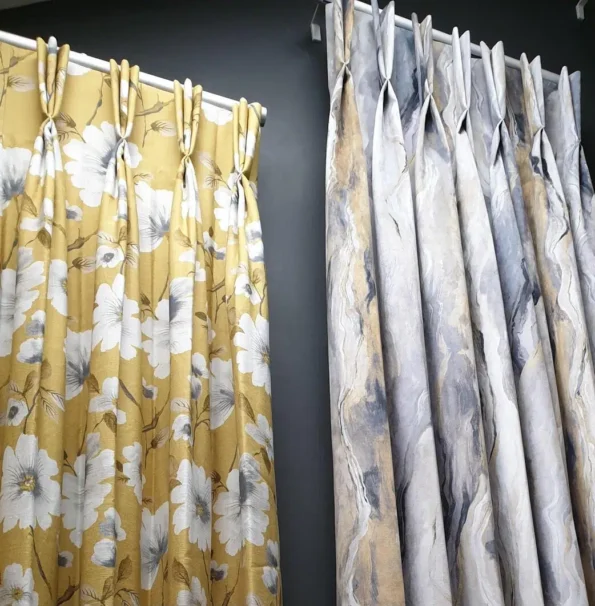
When it comes to choosing curtains, you have the option of purchasing ready-made curtains or investing in custom designs.
Custom Curtains: For those looking for a more tailored fit or unique design, custom curtains offer the flexibility to choose exact measurements, fabric, pattern, and embellishments. While more expensive, custom curtains allow you to create a one-of-a-kind look that perfectly complements your space.
Ready-Made Curtains: These are widely available in home décor stores and online, offering convenience and affordability. They come in a variety of standard sizes, styles, and materials, making them a quick solution for any room.
01. What is the main role of fabrics in home decoration?
02. How do I choose the right fabric for my home?
03. Do curtains make the room bigger or taller?
04. What is the best type of curtain for controlling light?
Blackout curtains are ideal for bedrooms or media rooms where complete darkness is desired.
Sheer curtains allow soft, diffused light, making them perfect for living rooms or kitchens.
Room-darkening curtains offer a balance, letting in some light while still providing significant light control.