
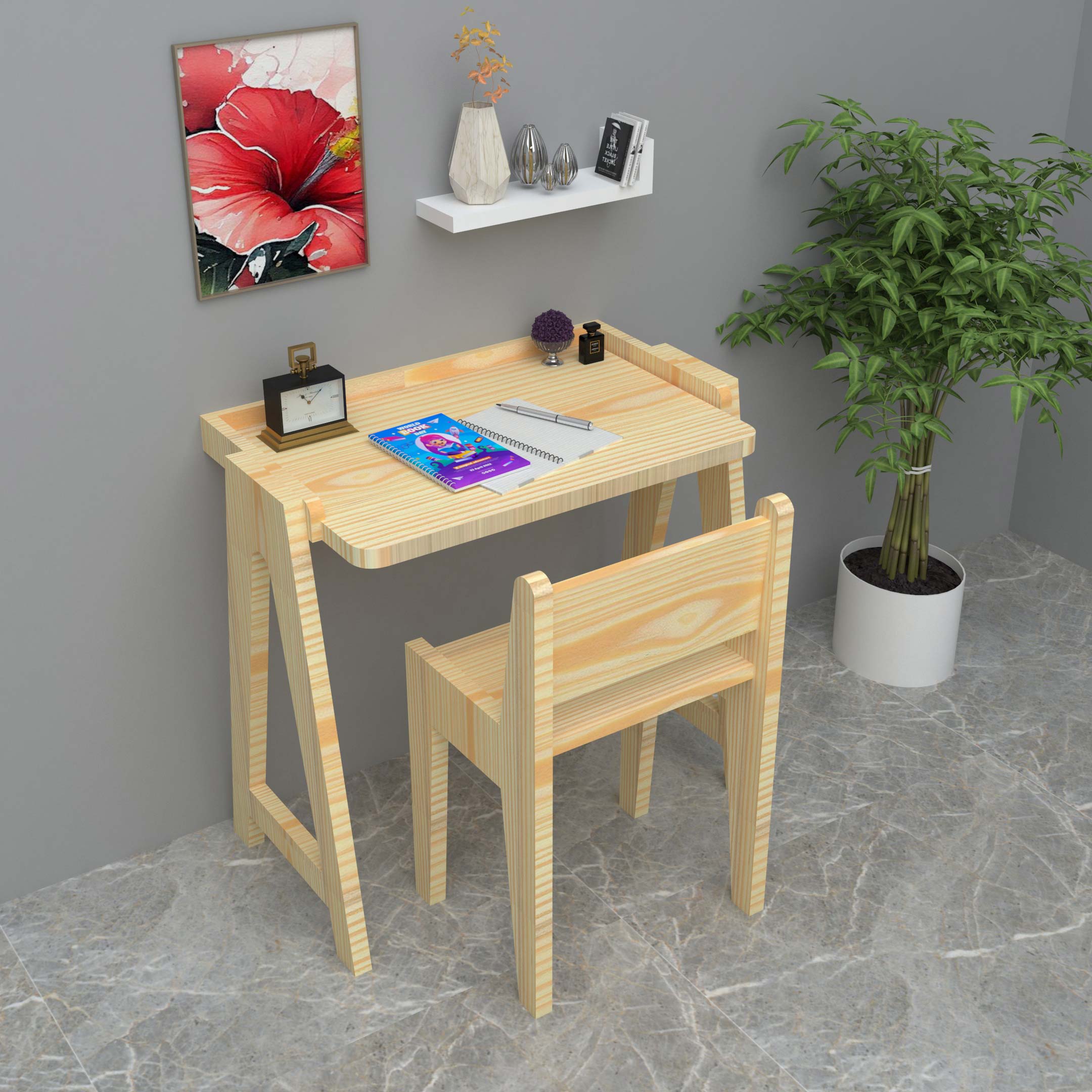
Establishing an inviting and attractive workspace is crucial for enhancing productivity, concentration, and overall wellness. Regardless of whether you are a student, a professional, or an individual who appreciates working from home, study tables with timeless designs are important furniture items. These tables not only offer a practical work environment but also add a sense of sophistication and tradition to your space. In this blog, we’ll examine study tables with classic aesthetics, exploring their features, advantages, and how they can effortlessly complement different interior styles.
The Allure of Classic Design
Study tables with classic design are characterized by their timeless appeal, rooted in history and tradition. Unlike contemporary styles, Study Tables With Classic Design emphasize comfort, quality, and detailed craftsmanship. These tables often incorporate elements from various historical periods, creating pieces that are both functional and artistically beautiful.
Key Features of Study Tables with Classic Design

- Refined Craftsmanship: Study tables featuring classic designs are typically built from luxurious, high-quality woods such as mahogany, cherry, walnut, or oak. These materials provide exceptional durability while also introducing a cozy, welcoming ambiance to the workspace.
- Ornate Features: Classic design elements showcase meticulous carvings, inlays, and decorative mouldings. Such details ensure that study tables of this style are distinctive and exemplify the artistry involved in their production.
- Harmonious Proportions: The harmonious proportions of classic study tables allow them to fit well in a variety of room sizes without dominating the space.
- Classic Hardware: The hardware used in study tables with classic design often features elaborate designs, including brass fittings and decorative drawer pulls, which enhance the overall visual appeal.
- Timeless Tones: Classic study tables usually come in deep browns and rich mahogany shades, allowing them to integrate effortlessly with a wide range of interior decors.
Why Choose Study Tables with Classic Design?
- Timeless Allure: One of the most significant benefits of opting for study tables with a classic design is their enduring appeal, which remains both elegant and appropriate as the years go by.
- Robustness and Craftsmanship: Study tables showcasing classic designs are constructed for longevity, highlighting an emphasis on high-quality materials and skilled workmanship.
- Adaptability: While they possess a traditional aesthetic, study tables with classic designs are quite adaptable, seamlessly enhancing a wide range of interior design styles.
- Convenience and Practicality: Classic-design study tables provide ample workspace, thoughtfully positioned drawers, and ergonomic features, making them perfect for prolonged work or study sessions.
- Appreciation in Value: In contrast to mass-produced furniture, study tables with classic designs typically appreciate in value over time.
Types of Study Tables with Classic Design
Classic design encompasses a variety of styles. Here are some popular types of study tables with classic design:
1. Victorian Style
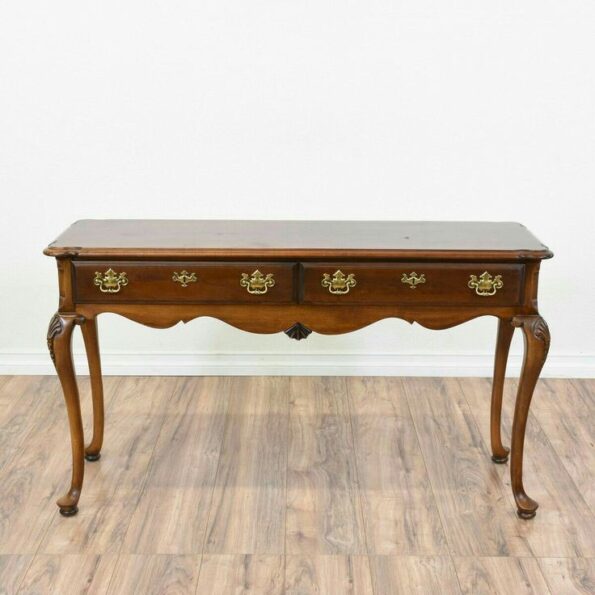
Victorian-style study tables with classic design feature dark woods, intricate carvings, and ornate details, perfect for adding drama and elegance to your workspace.
2. Georgian Style
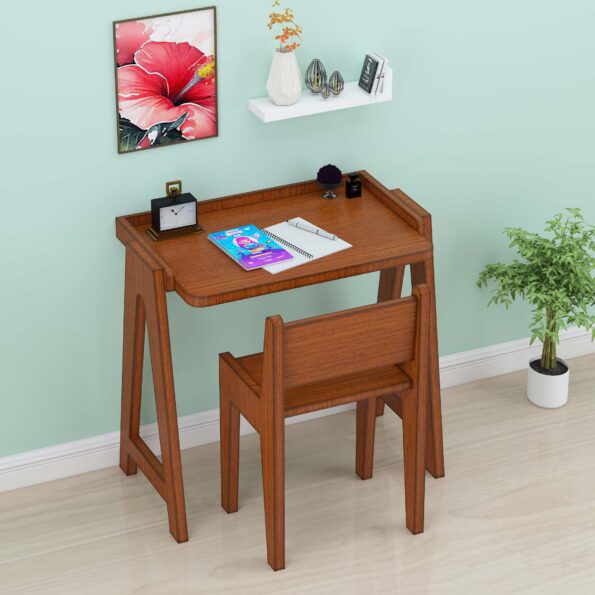
Georgian-style study tables with classic design are characterized by symmetry, balance, and classical motifs, offering a luxurious appeal.
3. French Provincial Style
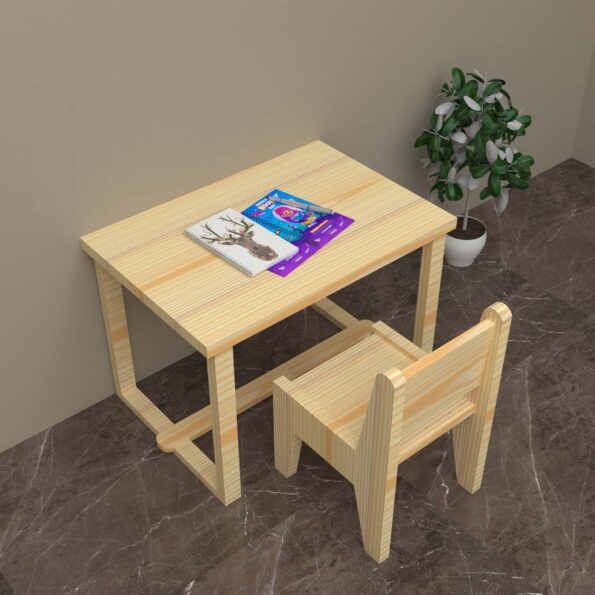
French Provincial study tables with classic design blend rustic charm with refined elegance, featuring curved lines and delicate carvings.
4. Colonial Style
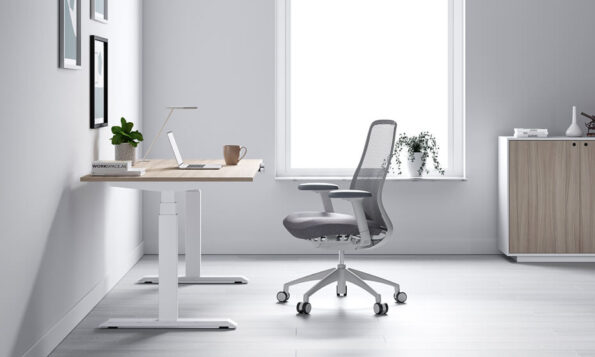
Colonial-style study tables with classic design are known for their simple, sturdy construction and minimal ornamentation.
5. Chippendale Style
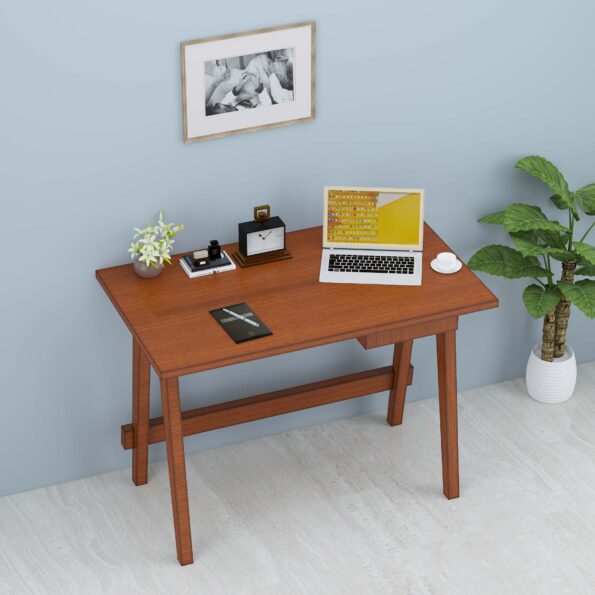
Chippendale-style study tables with classic design feature intricate carvings and high-quality woods, adding sophistication to any room.
6. Sheraton Style
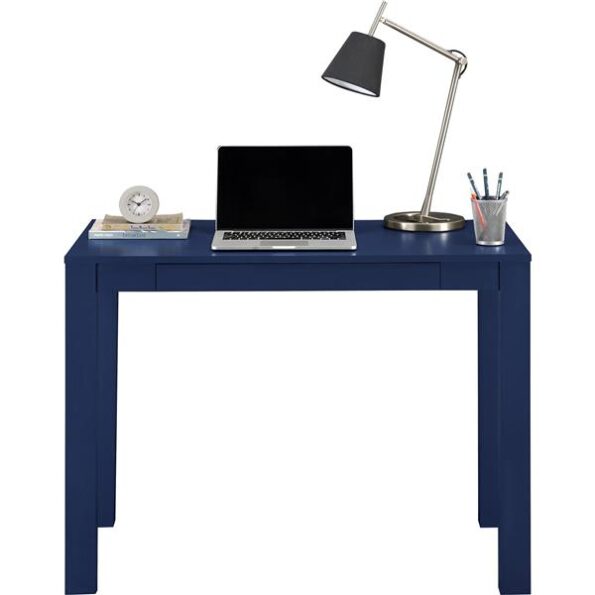
Sheraton-style study tables with classic design offer refined elegance with straight lines, tapered legs, and neoclassical motifs.
How to Incorporate Study Tables with Classic Design into Your Space
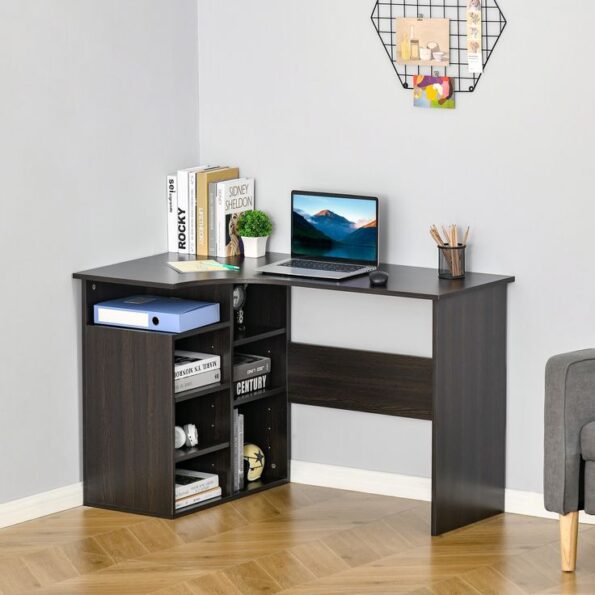
While study tables with classic design can be statement pieces, it’s essential to consider how they fit into your overall interior design. Here are some tips:
1. Pair with Complementary Furniture
Pair study tables with classic design with other pieces that share similar design elements for a cohesive look.
2. Consider the Room’s Colour Palette
The deep, rich colours of study tables with classic design should be complemented by a neutral or dramatic colour palette in the room.
3. Incorporate Classic Lighting
Traditional desk lamps or chandeliers can enhance the beauty of study tables with classic design.
4. Accessorize Thoughtfully
Choose accessories that complement study tables with classic design without overwhelming them. A vintage clock or leather-bound books are perfect choices.
5. Create a Focal Point
Make study tables with classic design the focal point of your workspace by placing them in a prominent position.
6. Blend with Modern Elements
Study tables with classic design can blend beautifully with modern elements to create a unique and dynamic space.
Caring for Study Tables with Classic Design
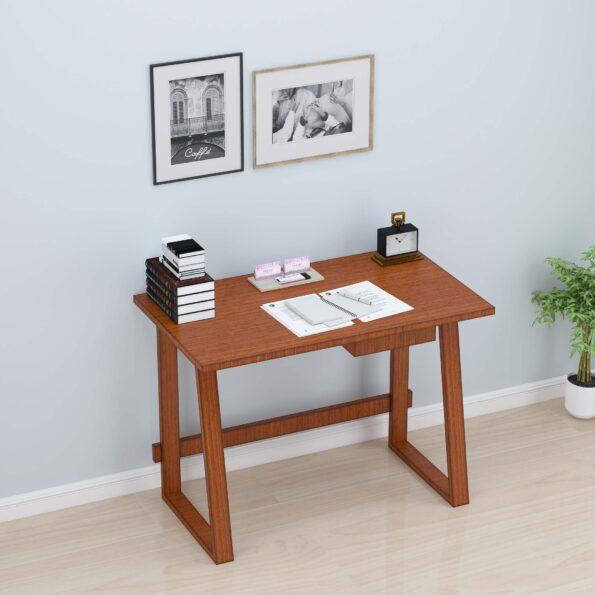
Effective maintenance guarantees that classic-designed study tables maintain their superb condition over the years. Here are several suggestions:
1. Regular Dusting
Regularly dust classic-designed study tables with a soft cloth to avoid dust accumulation.
2. Polishing
Periodically apply polish to enhance their luster and safeguard the wood.
3. Avoid Direct Sunlight
Shield classic-designed study tables from direct sunlight to avert fading and drying.
4. Use Coasters and Pads
Utilize coasters and pads to defend classic-designed study tables against scratches and water rings.
5. Address Spills Immediately
Address spills on classic-designed study tables right away to prevent staining.
6. Regular Inspections
Consistently monitor classic-designed study tables for signs of wear and promptly resolve any issues.
01. What defines the formatting of conventional study tables?
02. What materials are commonly used on classroom desks with classical design?
03. How does a vintage study desk differ from modern or contemporary fashion?
04. Are classical-plan study desks suitable for small spaces?
05. Can a vintage study table be paired with modern decor?
06. How do I care for a study table with classic design?
Regularly dust the table with a soft, lint-free cloth to prevent dust buildup.
Periodically polish the wood with a high-quality furniture polish to maintain its shine and protect the finish.
Avoid placing the table in direct sunlight to prevent fading and drying out of the wood.
Use coasters, pads, and placemats to protect the surface from scratches and spills.
Address any spills immediately with a damp cloth to prevent staining.
07. What are some popular styles within the classic design category for study tables?
Victorian Style: Known for its opulence and intricate carvings.
Georgian Style: Characterized by symmetry, balance, and restrained ornamentation.
French Provincial Style: A blend of rustic charm and refined elegance with curved lines and delicate carvings.
Colonial Style: Simple and sturdy with minimal ornamentation.
Chippendale Style: Features intricate carvings, cabriole legs, and ball-and-claw feet.
Sheraton Style: Refined elegance with straight lines and neoclassical motifs.
08. Are study tables with classic design more expensive than modern ones?
09. Where can I purchase study tables with classic design?
10. Can I customize a study table with classic design?
11. What are the benefits of choosing a study table with classic design?
Timeless Appeal: These tables never go out of style and can be passed down through generations.
Durability: High-quality materials and craftsmanship ensure longevity.
Versatility: Classic design can complement various interior styles.
Aesthetic Value: Detailed carvings and traditional finishes add elegance and sophistication to any room.
Increased Value: Over time, classic design pieces can become valuable antiques.
12. How can I enhance the look of my study table with classic design?
Pairing it with complementary furniture that shares similar design elements.
Choosing a color palette that highlights the table’s rich wood tones.
Incorporating classic lighting, such as a traditional desk lamp or chandelier.
Accessorizing with vintage items like a clock, inkwell, or leather-bound books.
Creating a focal point by placing the table in a prominent position in the room.
13. What size study table with classic design should I choose?
14. Is a classic design study table suitable for modern office spaces?
15. How can I identify an authentic classic design study table?
Check for high-quality, solid wood construction.
Look for traditional joinery methods, such as dovetail joints.
Examine the hardware for signs of age, such as patina on brass handles.
Inspect for detailed craftsmanship, including carvings and inlays.
Research the style and period to ensure it matches classic design characteristics.
16. What type of chair should I pair with a study table with classic design?
17. Can study tables with classic design be used in children’s rooms?
18. What are the most common finishes for study tables with classic design?
Natural Wood Finish: Highlights the wood’s natural grain and color.
Stained Finish: Enhances the wood’s color, making it richer and more vibrant.
French Polish: A high-gloss finish that adds depth and sheen to the wood.
Lacquered Finish: Provides a durable and smooth surface with a slight sheen.
Distressed Finish: Gives the table an aged, antique look with a rustic charm.
19. Are there eco-friendly options for study tables with classic design?
20. Can I refurbish an old study table with classic design?
21. What types of storage options are available in study tables with classic design?
Drawers: For storing stationery, papers, and small items.
Shelves: For keeping books and decorative items.
Cabinets: For larger storage needs, such as files or equipment.
Secret Compartments: Some classic design tables include hidden storage spaces for added security.
22. How do I choose the right finish for my study table with classic design?
23. Are there specific brands known for high-quality study tables with classic design?
24. Can study tables with classic design be used for purposes other than studying?
25. How do I maintain the finish on my study table with classic design?
Dust regularly with a soft, dry cloth.
Use a gentle furniture polish to protect and enhance the finish.
Avoid placing hot items directly on the surface.
Use coasters, placemats, or tablecloths to prevent scratches and water rings.
Refinish the table if necessary to restore its original luster.
26. What are the most common design motifs in classic study tables?
Floral Carvings: Often seen in Victorian and French Provincial styles.
Shells and Foliage: Popular in Georgian and Chippendale styles.
Neoclassical Elements: Such as urns, garlands, and acanthus leaves in Sheraton and Regency styles.
Symmetrical Patterns: Found in Georgian and Federal styles.
Curved Lines: Characteristic of Baroque and Rococo designs.
27. How does a vintage study desk enhance the mood of a room?
28. Can I find classic patterned study desks at antique stores?
29. What are some ways to modernize a study table with classic design?
Pair it with modern accessories, such as a sleek desk lamp or contemporary art.
Update the hardware with more modern, minimalist options.
Use bold, contrasting colors in the room to create a fresh look.
Incorporate technology discreetly, such as hidden charging stations.
Add a glass top to protect the wood while giving it a modern twist.