
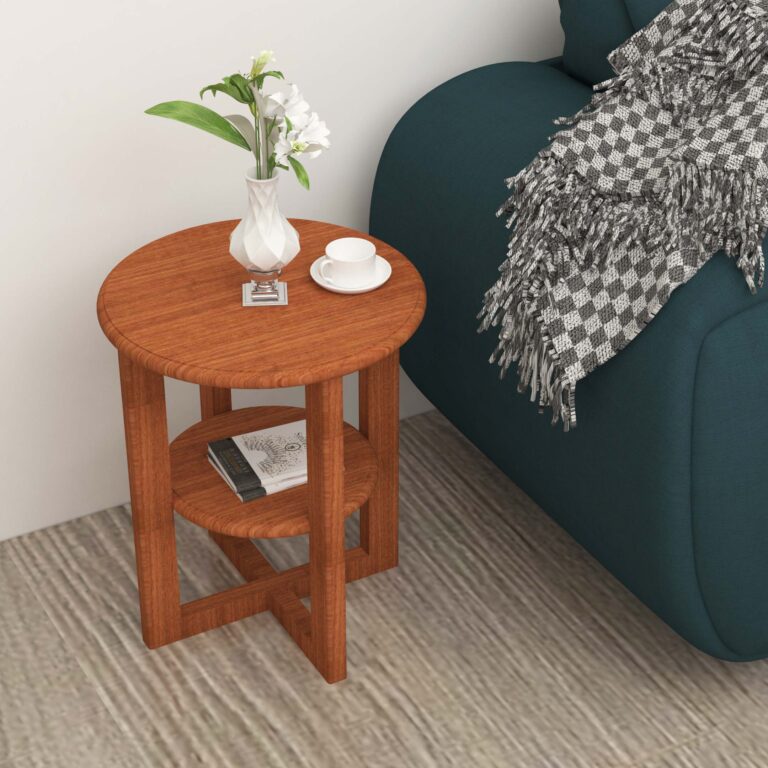
Side tables, commonly known as nightstands, play a crucial role in every bedroom. They offer a practical spot for storing your night time necessities while also enhancing the overall look of your space. If you’re planning a bedroom makeover or simply want to refresh your furniture, understanding how to select the right side tables is essential. This thorough guide will equip you with all the information necessary to choose the ideal side tables for your bedroom.
1. Understanding the Role of Side Tables
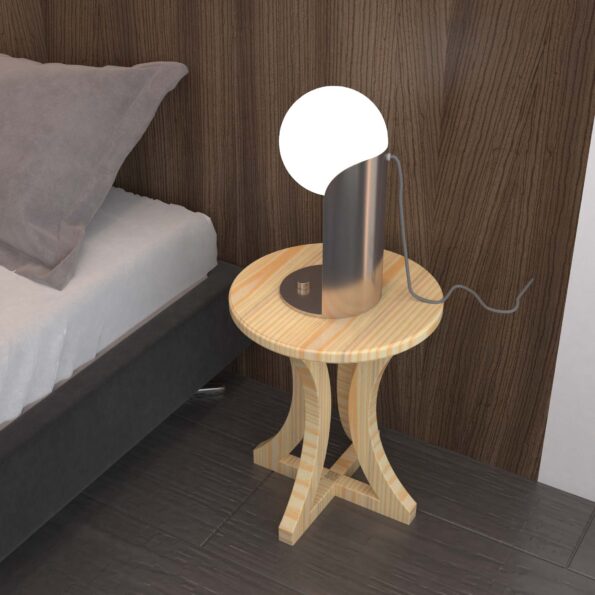
Before diving into the specifics of how to choose side tables, it’s important to understand their role in your bedroom. Side tables serve both functional and aesthetic purposes. Functionally, they offer a place to store and organize your night time necessities like books, alarm clocks, lamps, and personal items. Aesthetically, they contribute to the overall style and balance of your bedroom decor. This is why it’s crucial to carefully choose side tables that align with your needs and style preferences.
2. Assessing Your Bedroom Space
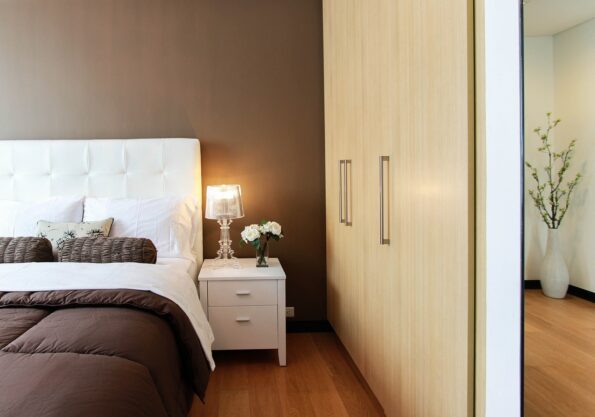
The initial step in selecting side tables involves evaluating the available space in your bedroom. The dimensions of your room will significantly influence the size and quantity of side tables you can fit.
- Small Bedrooms: In compact spaces, every inch counts. Choose slim side tables that provide storage without overwhelming the area. Wall-mounted side tables or floating shelves can serve as excellent alternatives to traditional designs. Learning how to select side tables for a small bedroom can help you use your space more effectively.
- Large Bedrooms: For those with a generous bedroom, there is greater versatility in choosing side tables. You have the option to consider larger or more decorative pieces, and you might even place side tables on both sides of the bed to create a harmonious appearance.
3. Determining the Right Height
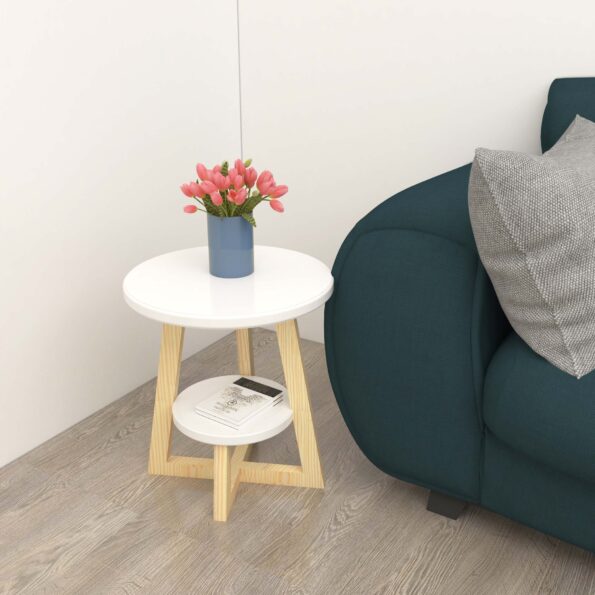
The height of your side table is crucial for both comfort and style. Ideally, the top of the side table should be level with the top of your mattress or slightly lower. This makes it easy to reach for items while you’re lying in bed. When you choose side tables, consider the height carefully to ensure it complements your bed.
- Standard Bed Height: For a standard bed, the side table height typically ranges between 24 to 28 inches. This allows easy access to the table’s surface without straining. Knowing the right height helps you successfully choose side tables that are both functional and stylish.
- Platform Beds: For lower platform beds, you’ll want to choose side tables that are closer to 20 inches in height, keeping the overall look proportional and accessible.
4. Choosing the Right Style
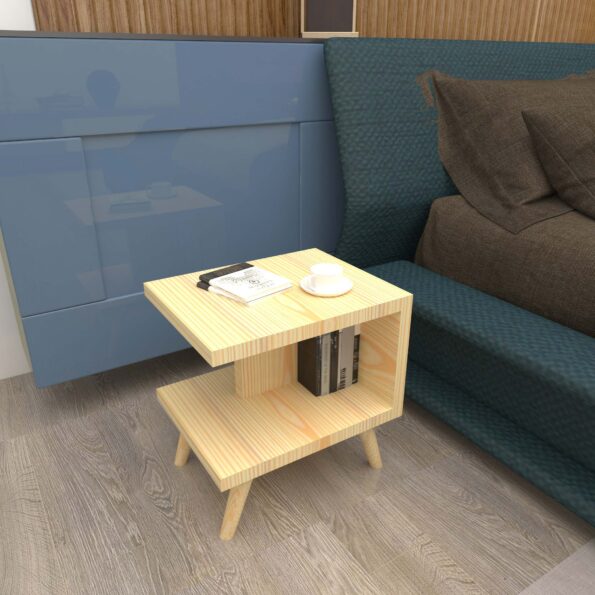
Side tables come in a variety of styles, each contributing a unique look to your bedroom. When you choose side tables, consider the existing decor in your bedroom and what would complement it best.
- Traditional: Side tables in the traditional style often showcase intricate details, elegantly curved legs, and rich wooden finishes. They are perfect for anyone looking to enhance classic or vintage-themed bedrooms.
- Modern: Modern side tables are known for their sleek lines, minimalist aesthetics, and emphasis on practicality. Commonly crafted from materials such as metal, glass, or polished wood, this design is an excellent choice for contemporary bedroom arrangements.
- Rustic: To create a warm, farmhouse ambiance in a bedroom, rustic side tables constructed from reclaimed wood or featuring shabby finishes can infuse charm and coziness. For those who prefer this style, selecting side tables that complement a rustic decor is essential.
- Industrial: Featuring a mix of metal and wood, industrial side tables often showcase exposed hardware and a functional design. If you’re aiming for a modern urban vibe, understanding how to select industrial-style side tables will be beneficial.
5. Considering Material Choices

The material of your side table not only affects its appearance but also its durability and maintenance. As you choose side tables, consider the following common materials:
- Wood: Wood is a popular choice due to its durability and timeless appeal. Oak, walnut, and cherry are common options that offer a warm, natural look. If you prefer a traditional or rustic feel, then choose side tables made of wood.
- Metal: Metal side tables, often seen in modern or industrial designs, are sturdy and can add a sleek, contemporary touch to your bedroom. When you choose side tables made of metal, you’re opting for longevity and a modern aesthetic.
- Glass: Glass side tables, often paired with metal or wood, create an airy, open feel. They are great for small spaces as they don’t visually clutter the room. To add a touch of elegance, choose side tables with glass surfaces.
- MDF or Particleboard: These materials are more affordable and can be finished to mimic wood or other materials. They are a good option if you’re on a budget but may not be as durable as solid wood or metal. If cost is a factor, choose side tables made of MDF or particleboard.
6. Exploring Different Storage Options

The storage needs of your bedroom will also influence the type of side table you choose. Some side tables come with drawers, shelves, or cabinets, providing extra space for your belongings. When you choose side tables, think about your storage requirements.
- Drawers: Side tables with drawers are perfect for storing personal items out of sight. If you like to keep your space tidy, look for tables with at least one or two drawers. Learning how to choose side tables with the right amount of storage can help keep your bedroom organized.
- Open Shelves: Open shelving provides easy access to books, magazines, or decorative items. This option is great if you want to display items rather than hide them away. If you’re looking for display space, choose side tables with open shelves.
- Cabinets: If you need more substantial storage, consider a side table with a small cabinet. This can be useful for storing larger items like blankets or extra pillows. When you choose side tables with cabinets, you add functionality without compromising on style.
7. Matching or Mixing Side Tables
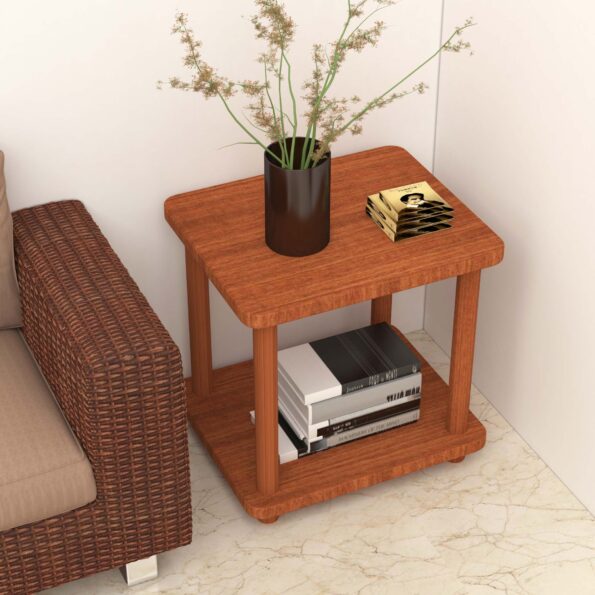
Deciding whether to match or mix your side tables is a matter of personal preference and style.
- Matching Side Tables: Using matching side tables on either side of the bed creates a symmetrical and balanced look. This is a common choice when you choose side tables for traditional or formal bedroom designs.
- Mismatched Side Tables: For a more eclectic or relaxed vibe, consider mixing different side tables. You can choose side tables with similar heights or styles but different materials or colours to create a cohesive yet varied look.
8. Coordinating with Other Bedroom Furniture
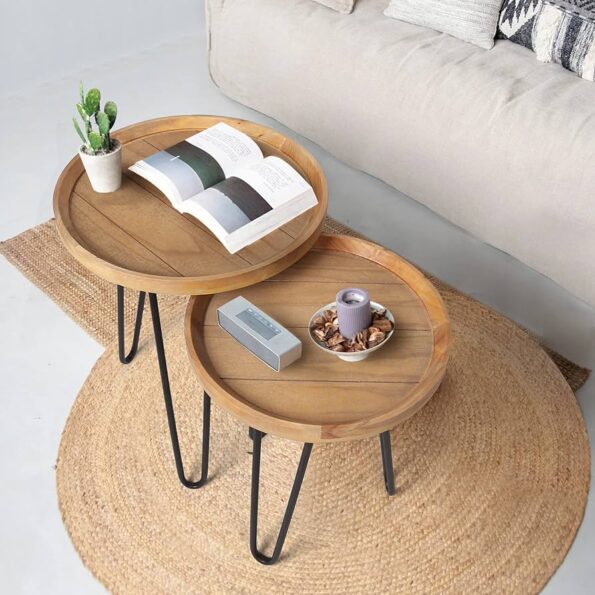
Your bedside tables ought to harmonize with the other furniture in your bedroom, which includes your bed, dresser, and any additional pieces. Here are a few tips to help you select the right side tables:
- Finish and Colour: Select side tables that match the finish or colour of the Other Furniture Items in the space. For instance, if your bed frame is made of dark wood, opt for side tables that feature a similar finish.
- Style Cohesion: Make sure the design of your side tables corresponds with the overall aesthetic of your bedroom. If your bedroom has a modern design, go for side tables that boast sleek lines and minimal embellishments.
9. Considering Lighting Needs
Side tables are often used to hold lamps or other lighting fixtures. When you choose side tables, consider the size and placement of your lighting.
- Lamp Size: If you plan to place a lamp on your side table, ensure the table is large enough to accommodate it without looking cramped. The lamp should be proportionate to the size of the table. This makes it essential to choose side tables that can accommodate your lighting needs.
- Task Lighting: For reading or task lighting, make sure the lamp’s height is suitable for directing light where you need it while you’re in bed. To ensure comfort and functionality, choose side tables that work well with your lighting setup.
10. Reflecting Your Personal Style
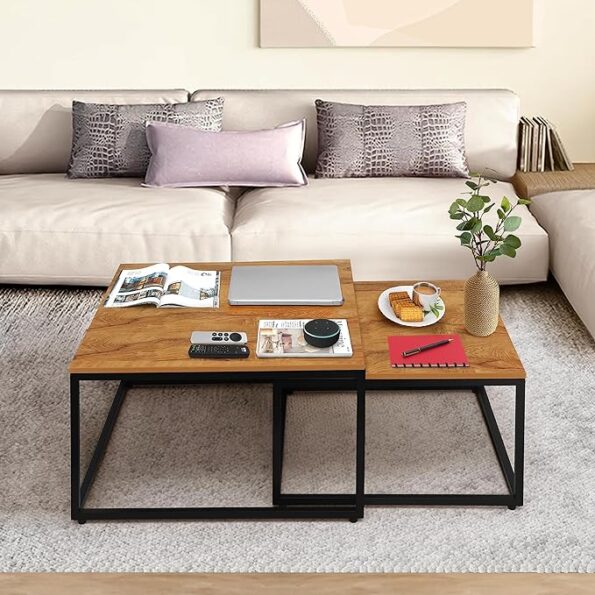
Ultimately, your side tables should reflect your personal style and preferences. Whether you lean towards a minimalist aesthetic, a bohemian vibe, or a traditional look, you can choose side tables to suit every taste.
- Add Personality: Consider adding personal touches to your side tables, such as decorative trays, vases, or framed photos, to make the space feel uniquely yours. The ability to choose side tables that reflect your personality is key to creating a bedroom that feels like home.
- Experiment with Trends: Don’t be afraid to experiment with current trends, such as geometric shapes, bold colours, or mixed materials. Side tables are relatively small investments, making them a great way to refresh your decor without a major overhaul. If you love staying on trend, choose side tables that incorporate the latest designs.
11. Budget Considerations
Your budget will play a significant role in determining the type and quality of side tables you can afford. However, there are options available for every budget.
- High-End: If budget is not a concern, consider investing in designer side tables made from high-quality materials. These pieces often have unique designs and can be statement pieces in your bedroom. When you choose side tables from high-end collections, you’re investing in quality and exclusivity.
- Mid-Range: In the mid-range, you can find a variety of stylish and durable side tables that balance quality and affordability. Look for solid wood or well-crafted metal options. This makes it easier to choose side tables that offer both form and function.
- Budget-Friendly: If you’re on a tight budget, consider shopping at discount furniture stores or online marketplaces. MDF or particleboard tables can offer good value, especially if you prioritize style over durability. Even on a budget, you can still choose side tables that meet your aesthetic and practical needs.
12. Shopping Tips
When shopping for side tables, keep the following tips in mind to make the best choice:
- Measure Your Space: Before purchasing, measure the space next to your bed to ensure the side table will fit comfortably. Accurate measurements help you confidently choose side tables that fit well.
- Consider Assembly: Some side tables require assembly, so consider whether you’re comfortable putting them together yourself or if you’d prefer a pre-assembled option. Depending on your preference, you can choose side tables that are easy to assemble or come pre-built.
- Read Reviews: If buying online, read customer reviews to get an idea of the quality and durability of the side table. Reviews can provide insight and help you choose side tables that are reliable and long-lasting.
- Think About Future Needs: Consider how your needs might change over time. Choose side tables that are versatile and can adapt to different bedroom layouts or decor changes.
13. Sustainability and Eco-Friendly Options
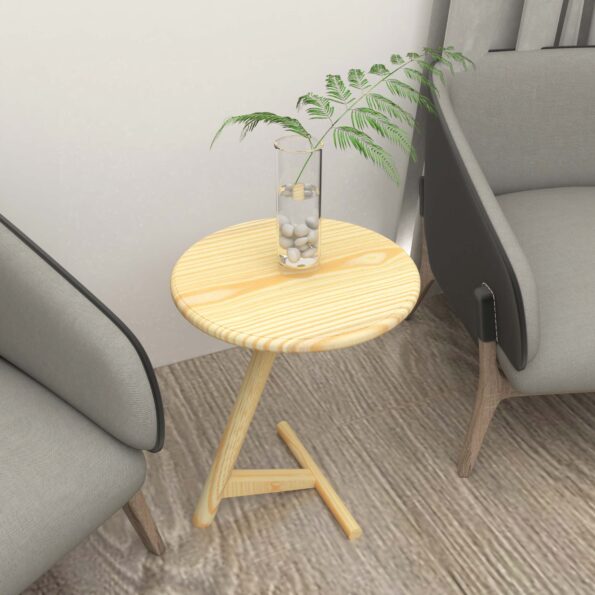
If you wish to minimize the environmental footprint of your purchase, seek out sustainable or eco-friendly options when selecting side tables.
- Reclaimed Wood: Side tables constructed from reclaimed wood feature a distinct, rustic charm while also playing a role in waste reduction. Opting for these pieces is a sustainable choice for your living space.
- Certified Wood: When selecting side tables, consider those made from wood that has been certified by the Forest Stewardship Council (FSC). This designation ensures that the wood is sourced from environmentally responsible forests, helping you make a sustainable selection.
- Recycled Materials: Certain side tables are created from recycled materials such as metal or plastic, providing an environmentally friendly alternative to conventional materials. If sustainability is a priority for you, consider side tables made from these recycled resources.