
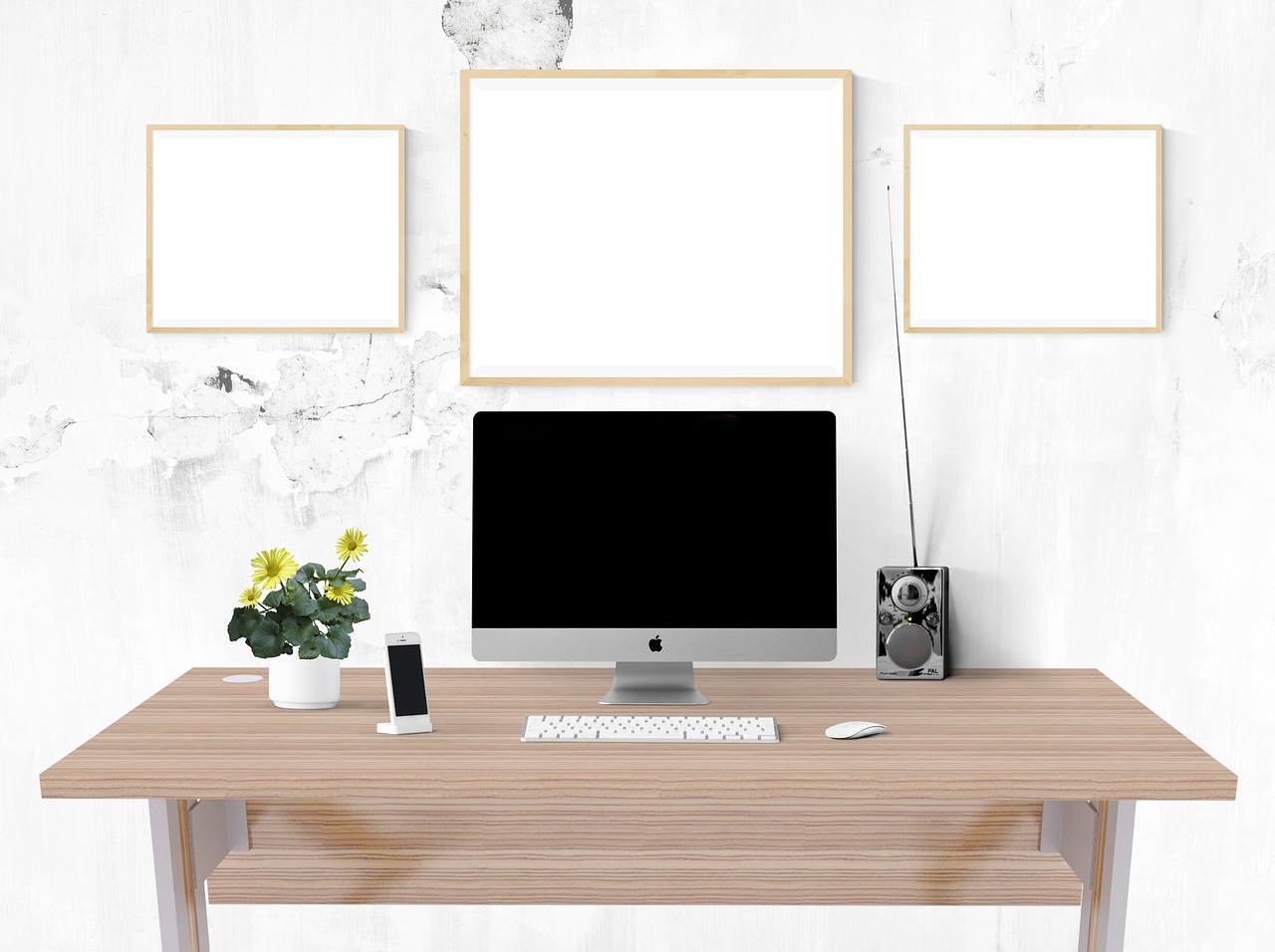
Choosing the Perfect Computer Desk for Home

In the modern age, where remote work and online learning are increasingly common, having an efficient and ergonomic workspace at home is essential. A well-chosen Computer Desk For Home can transform a cluttered area into a productive environment, fostering creativity and efficiency. Whether you’re setting up a home office, creating a study nook, or simply upgrading your existing workspace, finding the perfect computer desk for home is crucial. This guide will explore key considerations and tips to help you choose the ideal computer desk for home.
Understanding Your Needs

Before diving into the various options available, it’s essential to understand your specific needs. Ask yourself the following questions:
- Purpose: Will the computer desk for home be used primarily for work, gaming, studying, or a combination of these activities?
- Space: How much space do you have available for the computer desk for home? Measure the area to ensure a good fit.
- Equipment: What equipment will you be using on the computer desk for home? Consider the size and number of monitors, the need for additional peripherals like a printer or scanner, and storage for documents or supplies.
Understanding these needs will guide your decision-making process and help you find a computer desk for home that complements your lifestyle and work habits.
Types of Computer Desks for Home

There is a variety of computer desks available for home use, each tailored to meet specific needs and preferences. Below are some popular choices:
1. Standard Desks
Standard desks are adaptable and available in a wide range of sizes and designs. They usually have a flat surface that provides generous space for a computer, keyboard, and other necessary items. Additionally, many standard desks come equipped with drawers and shelves for extra storage opportunities.
2. Standing Desks
Standing desks have gained popularity due to their health benefits. They allow users to alternate between sitting and standing, promoting better posture and reducing the risks associated with prolonged sitting. Many Standing Desks are adjustable, enabling users to find their ideal height.
3. L-Shaped Desks
L-shaped desks offer a generous amount of workspace and are ideal for corner setups. They provide separate areas for different activities, such as computing and writing. This type of computer desk for home is perfect for multitaskers who need to spread out their work.
4. Compact Desks
For those with limited space, compact desks are a great option. They are designed to fit into small areas while still providing sufficient workspace. Compact desks often include built-in storage solutions to maximize functionality.
5. Gaming Desks
Gaming desks are uniquely crafted for gamers, boasting a robust build, generous space for several monitors, and dedicated sections for gaming gear. Many of these desks also come equipped with cable management systems to maintain a neat workspace.
Material and Build Quality of Computer Desks for Home
The material and build quality of a computer desk for home significantly impact its durability and aesthetics. Common materials used in computer desks for home include:
- Wood: Wooden desks are sturdy and offer a classic look. They come in various finishes, from natural wood grains to painted surfaces. Solid wood desks are more durable but also more expensive.
- Metal: Metal desks are robust and often have a modern, industrial design. They are easy to clean and maintain, making them a popular choice for home offices.
- Glass: Glass desks provide a sleek and contemporary look. They are easy to clean but can be more fragile than wood or metal. Consider tempered glass for added durability.
- MDF or Particleboard: These are budget-friendly options that can mimic the appearance of wood. While they are less durable than solid wood or metal, they are still a viable option for many users.
When selecting a computer desk for home, consider the build quality, including the stability of the frame, the thickness of the material, and the quality of the finishes. A well-built desk will withstand daily use and last for years.
Ergonomics and Comfort
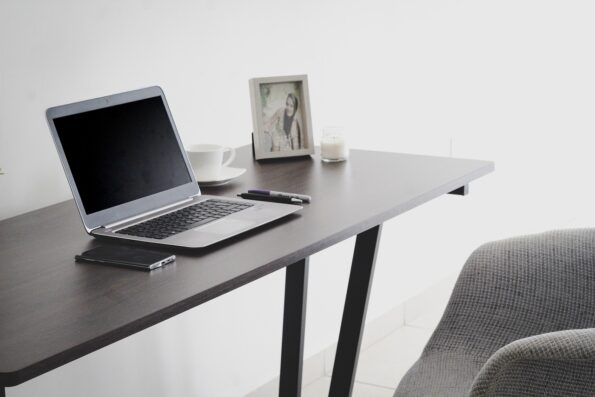
Ergonomics play a crucial role in maintaining comfort and productivity. Here are some ergonomic considerations when choosing a computer desk for home:
- Height: The desk should be at a height that allows you to sit with your feet flat on the floor, your knees at a 90-degree angle, and your wrists in a neutral position.
- Depth: Ensure there is enough depth to accommodate your monitor at a comfortable viewing distance, typically about 20 inches from your eyes.
- Legroom: There should be sufficient space under the desk for your legs to move freely.
- Adjustability: Adjustable desks allow you to change the height and angle, providing flexibility for different tasks and users.
Storage and Organization
A clutter-free workspace enhances productivity and reduces stress. Consider computer desks for home with built-in storage solutions, such as:
- Drawers: Useful for storing office supplies, documents, and personal items.
- Shelves: Ideal for books, decorative items, or additional equipment.
- Cable Management: Desks with built-in cable management systems help keep wires and cords organized and out of the way.
Design and Visual Appeal
The computer desk for home should complement the overall decor of your home. Whether you prefer a modern, minimalist design or a traditional, rustic look, there are desks available to match your style. Consider the color, finish, and design elements to ensure the desk enhances the visual appeal of your space.
Financial Considerations
Computer desks for home come in a wide range of prices, from budget-friendly options to high-end models. Determine your budget before shopping and look for desks that offer the best value for your money. Remember that investing in a quality computer desk for home can improve your comfort and productivity, making it a worthwhile expenditure.